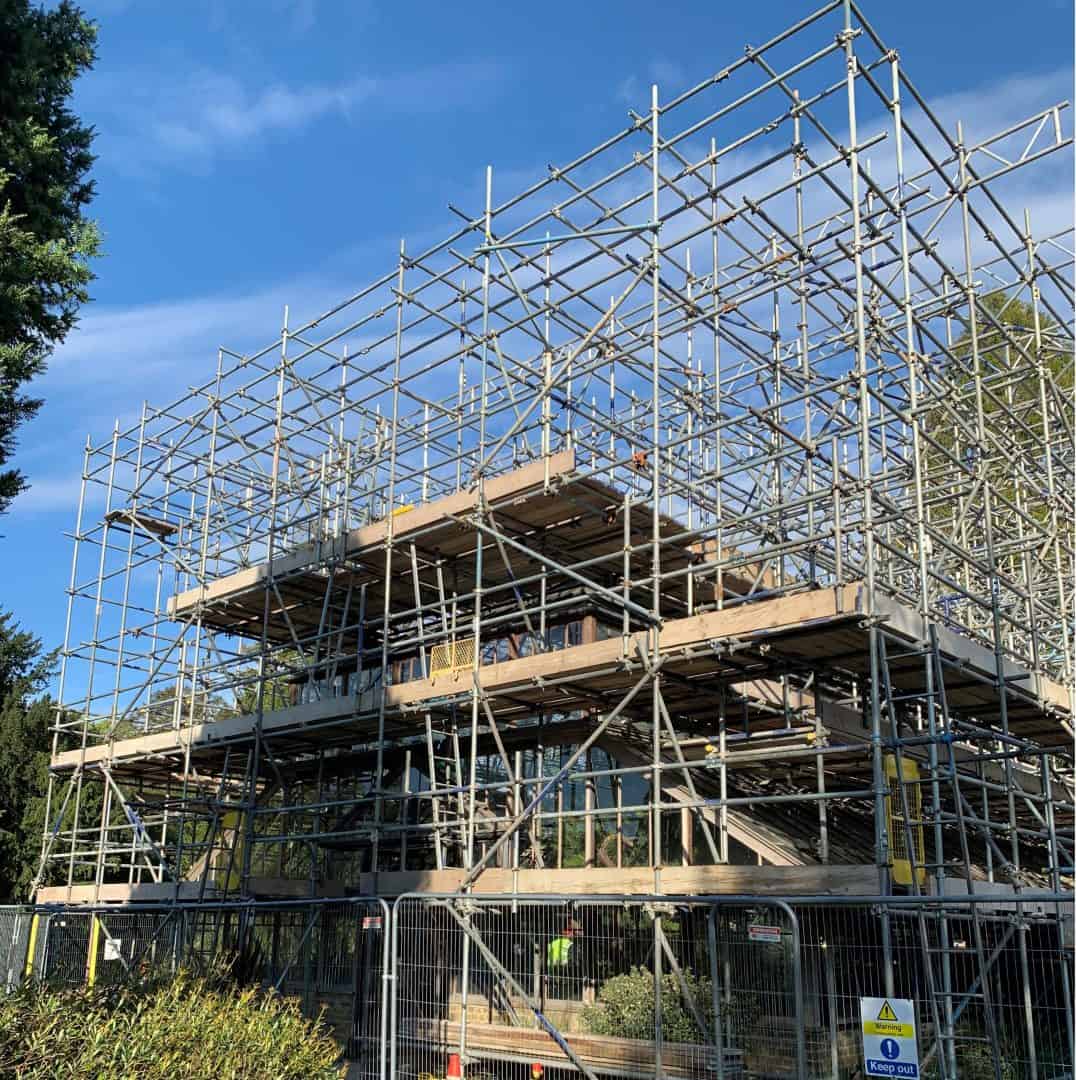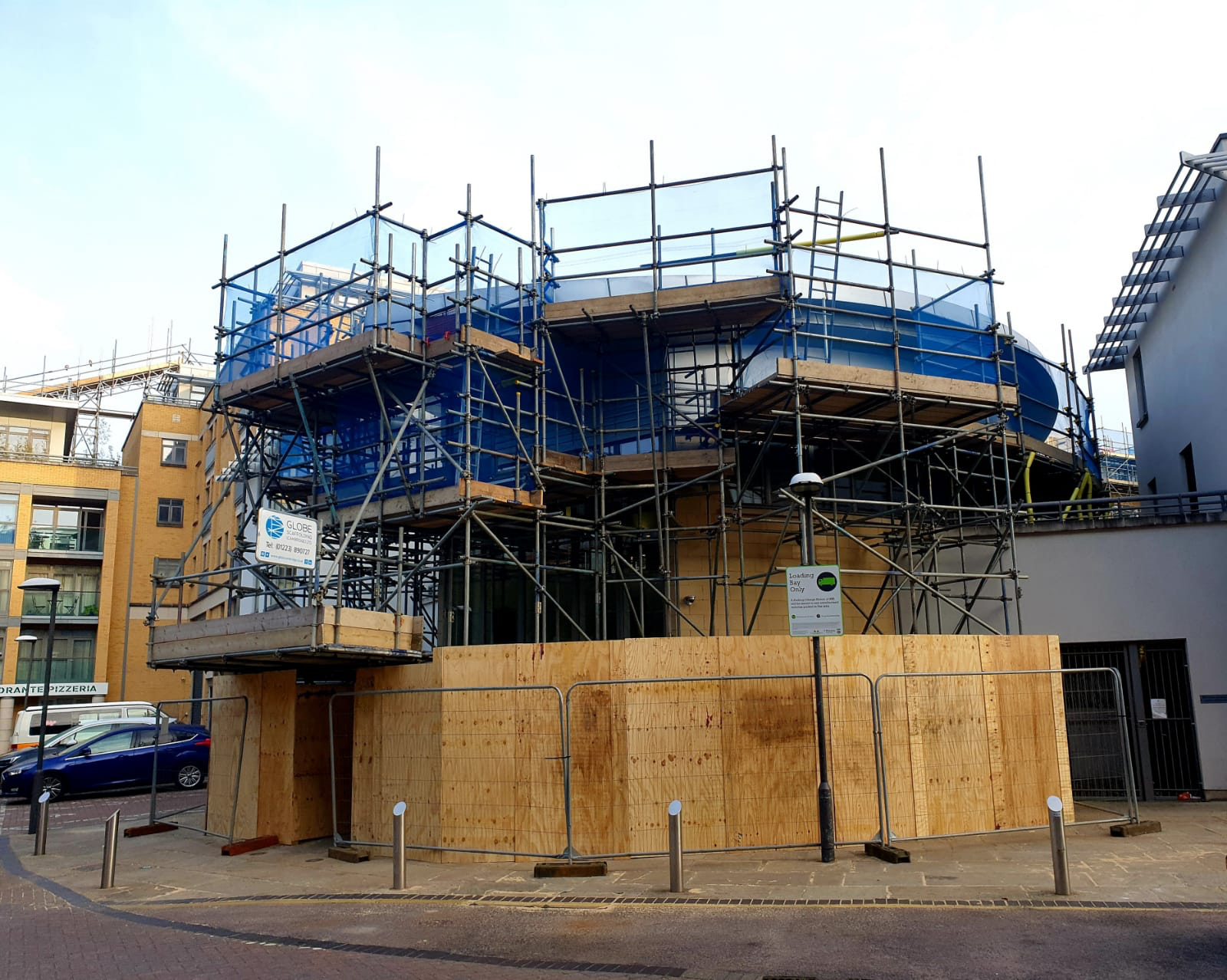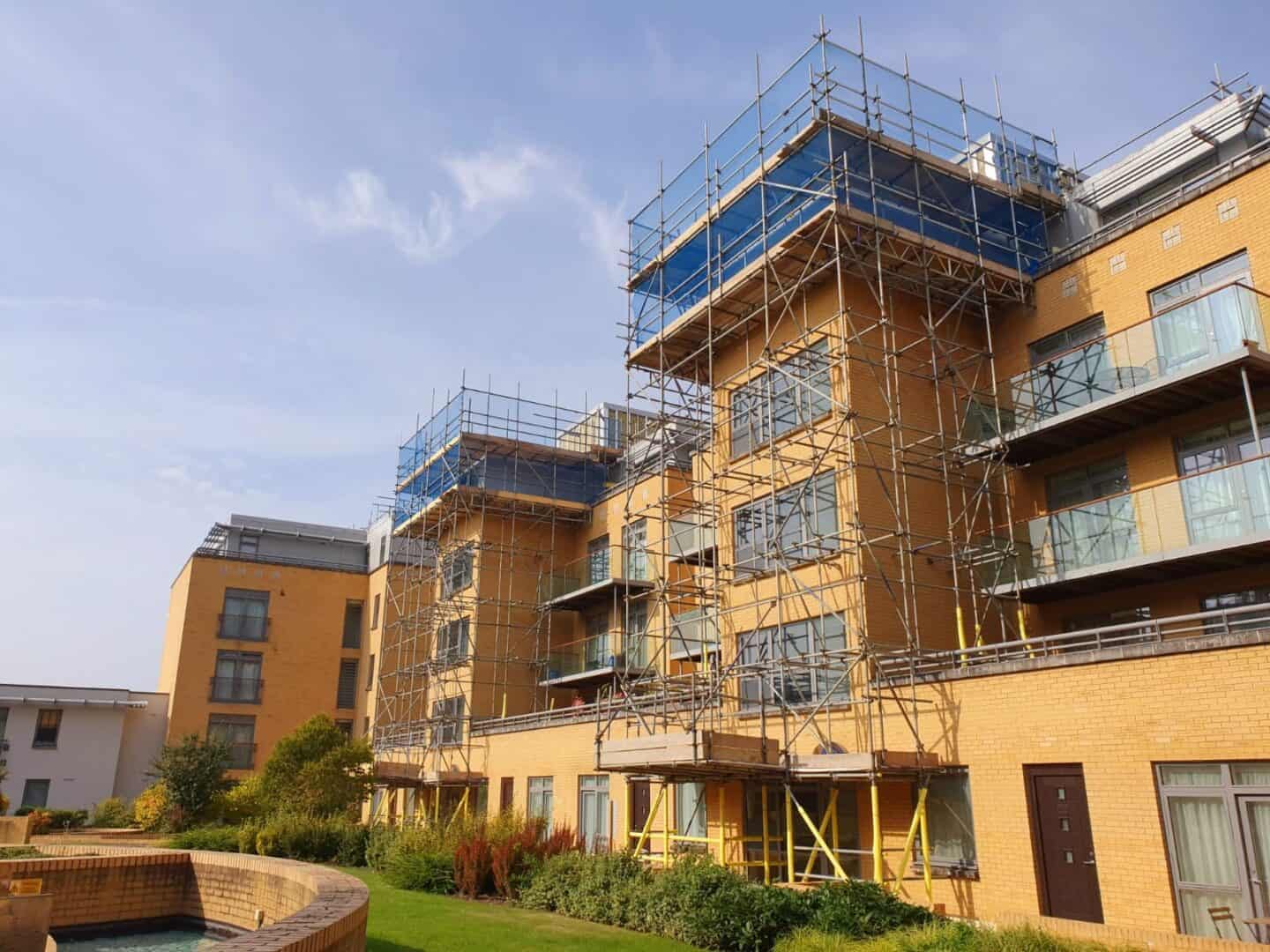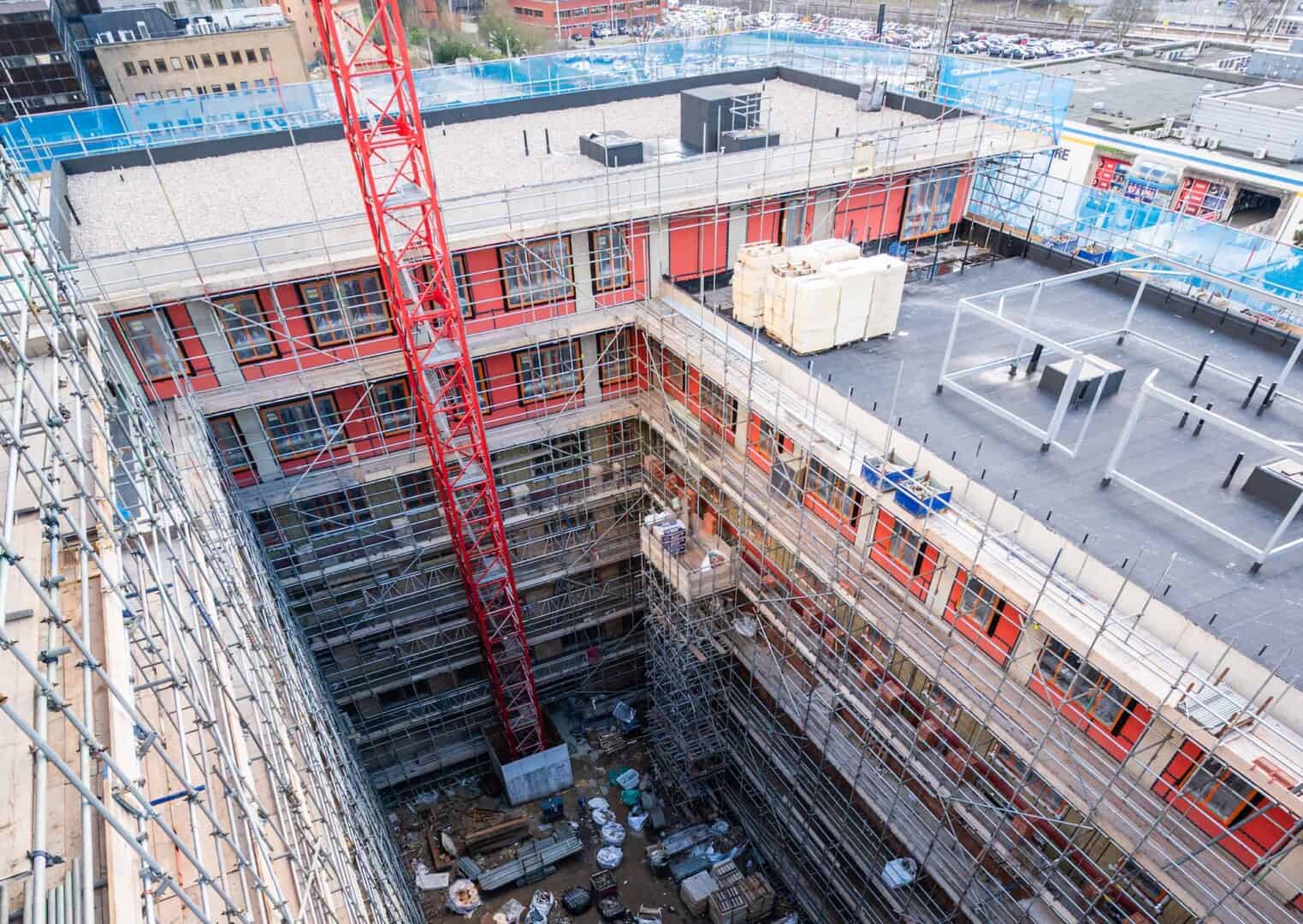
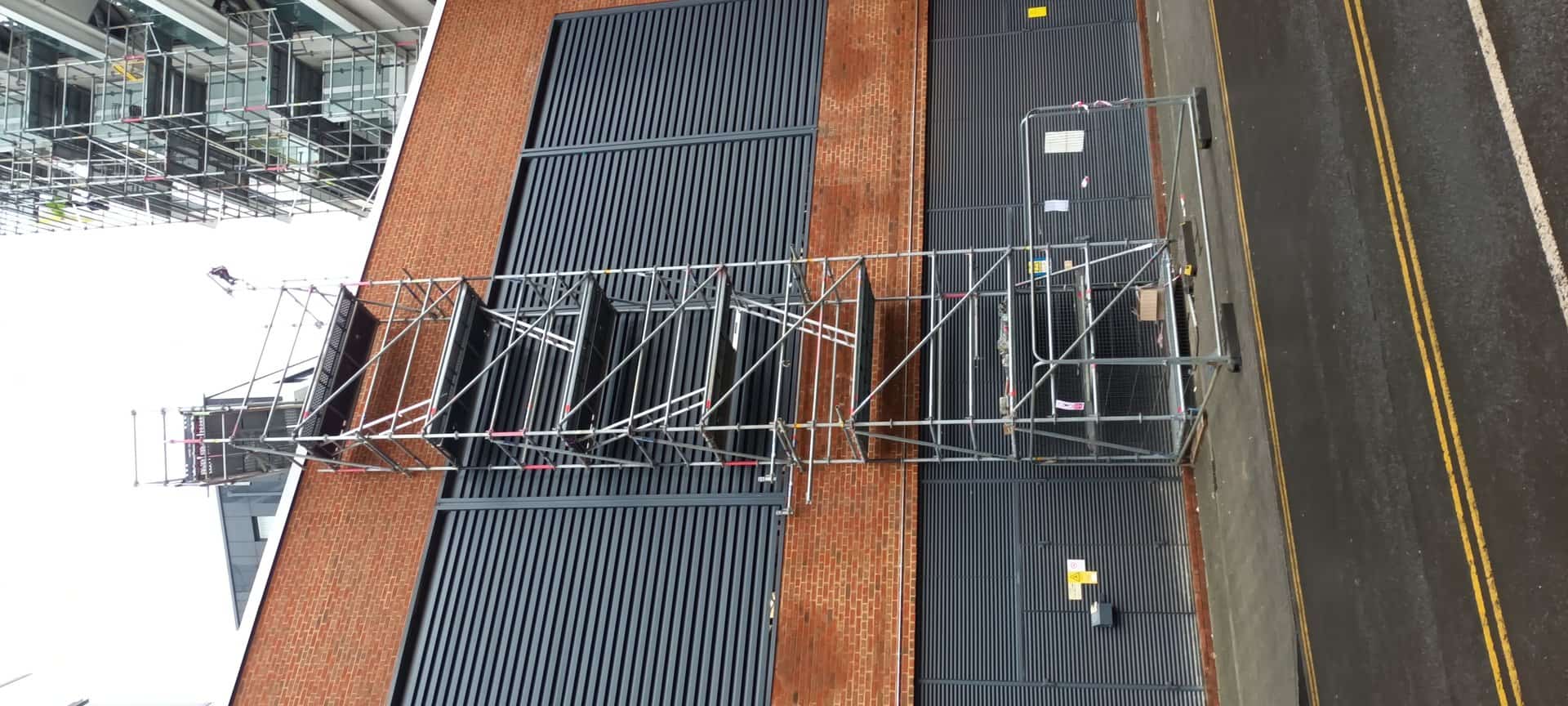
Scaffolding is one of the most ubiquitous elements on a construction site, and partly because of that, it is often treated as a commodity. The mental model is that scaffold is something that goes up, supports the work, and comes down again — a piece of access equipment rather than a structure in its own right. This view persists despite the fact that scaffolding is, by every meaningful definition, a temporary structure carrying load, transferring force, and exposing the people working on it to consequences if it fails. Treating scaffold design with the rigour that any other structural element receives is what separates well-managed sites from sites that run into preventable problems.
What scaffold actually has to do
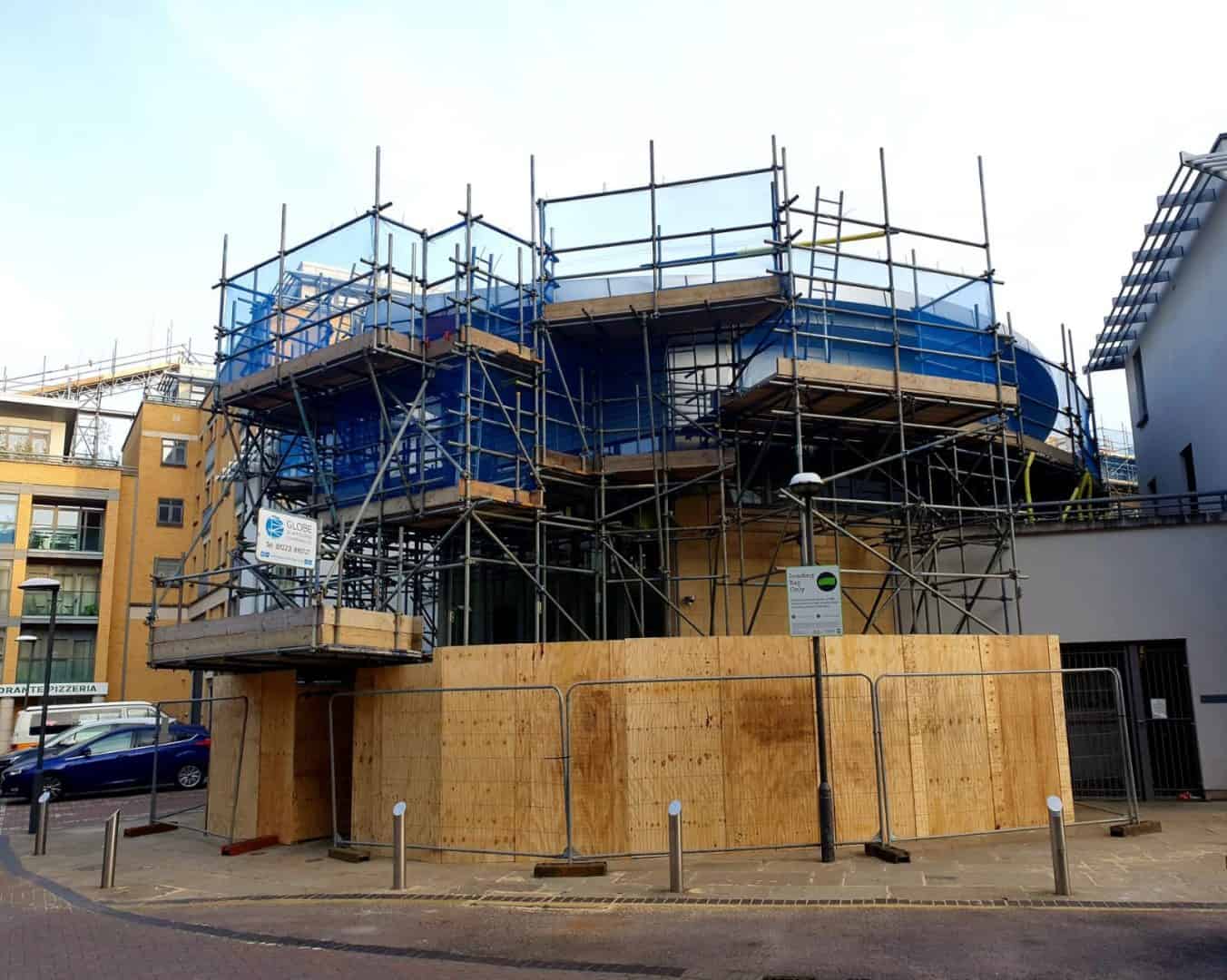
On a typical new build housing site, a scaffold has to support the weight of operatives, materials, plant, and stored items across multiple working platforms, transfer those loads safely down through the structure to firm ground, resist wind loading across the elevation, accommodate the work being carried out on it without forcing operatives to work outside design parameters, and remain stable through changes in loading as material is brought up, used, and cleared away. None of this happens by accident. It is the result of a scaffold designed for the specific work and the specific site it is supporting.
Where scaffolds fail or generate near misses, the cause is almost always a mismatch between the design and the actual use. A scaffold designed for general access being used to load and store roofing tiles. A scaffold designed for one trade being used by multiple trades simultaneously without reassessment. A scaffold that was correctly specified at design stage but modified informally on site without engineering input. Each of these is a design management failure, not a materials or workmanship failure.
Design responsibility on housing schemes
On UK construction sites, scaffold design responsibility rests with the scaffolding contractor unless explicitly transferred elsewhere. The contractor is expected to provide scaffold designed in accordance with relevant standards — including TG20 for tube and fitting scaffolds and the design guidance that applies to system scaffolds — with documented design drawings produced for non-standard scaffolds. The principal contractor relies on this design output to satisfy themselves that the scaffold is fit for the work and to discharge their CDM 2015 duties relating to access provision.
Globe Cambridge produces design drawings for scaffolds that fall outside standard configuration. This is not a marketing point. It is a procedural requirement that protects the principal contractor, the workforce on the scaffold, and the public adjacent to it. NASC membership and CISRS accreditation provide the framework within which this design responsibility is discharged.
Site assessment before design
Scaffold design starts with site assessment, not drawing production. Ground conditions need to be evaluated to confirm bearing capacity for sole boards or scaffold base plates. Setting-out has to account for elevation features, services routes, and adjacent structures. Wind exposure across the elevation needs to be considered, particularly on tall scaffolds or scaffolds in exposed locations. Tie locations need to be identified against the structure being scaffolded, with the structural integrity of the tie points verified.
On housing developments, ground conditions vary across the site. Plot positions on different parts of a site can sit on different ground profiles, particularly on East Anglian sites where chalk, clay, and made ground can appear within a single development footprint. A scaffold design that does not account for actual ground conditions is a design that may perform differently on different plots, with consequences ranging from minor settlement to platform-level deflection.
Loading and the work being supported
A scaffold’s loading class — the weight per square metre it is designed to carry — has to match the work being carried out on it. A general-access scaffold cannot safely carry the loaded tile pallets that a roofing operation requires. A scaffold loaded for tile storage cannot simultaneously support heavy plant or material movements without reassessment. Where multiple trades are using the same scaffold sequentially or simultaneously, the design has to accommodate the highest load case actually anticipated, not an average.
This is where coordination between the scaffolding contractor and the trades using the scaffold matters at design stage. On schemes where Globe Cambridge is providing scaffold for roofing operations carried out by Globe Roofing, this coordination happens within the Globe Group rather than across separate contracts, which makes it considerably easier to align scaffold design with actual roofing methodology and material handling.
Modification and the change control process
Scaffolds get modified during the life of a job. Trades request changes — a platform raised, a section opened up, a hop-up added — and these modifications need to go through a controlled process. A scaffold modified informally by trades or operatives without engineering input is no longer the scaffold that was originally designed and signed off. It is a different structure with different load paths and potentially different stability.
Globe Cambridge’s modification process requires modifications to be assessed against the original design, executed by competent CISRS scaffolders, and re-inspected before the scaffold is returned to use. Records of modifications are maintained as part of the scaffold’s documentation. This sounds bureaucratic. It is what stops modifications from accumulating into a structure that no one has actually verified as safe.
Talk to Globe Cambridge about your scheme
To discuss scaffold design for your forthcoming project, contact Globe Cambridge on 01223 890727 or email enquiries@theglobegroup.co.uk.