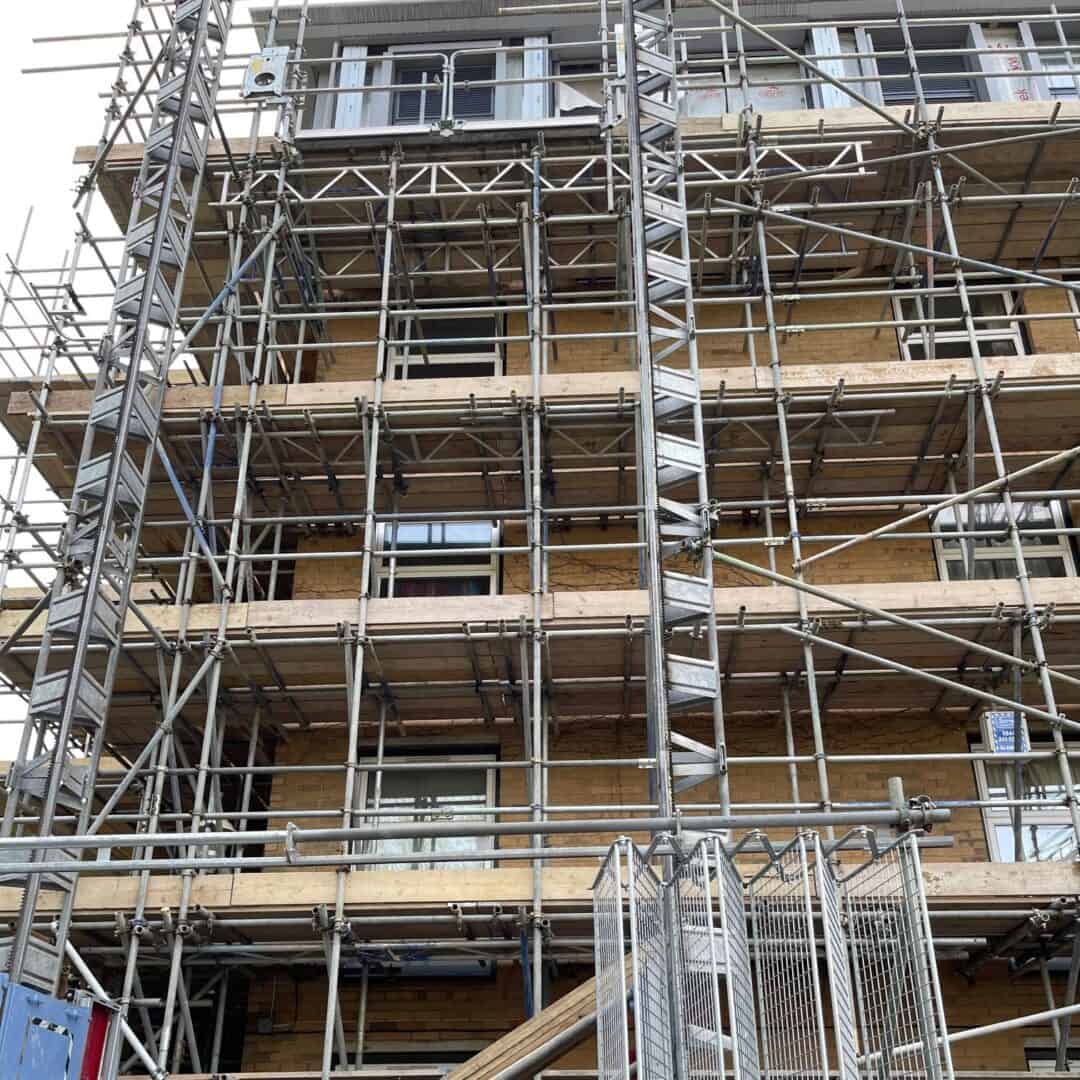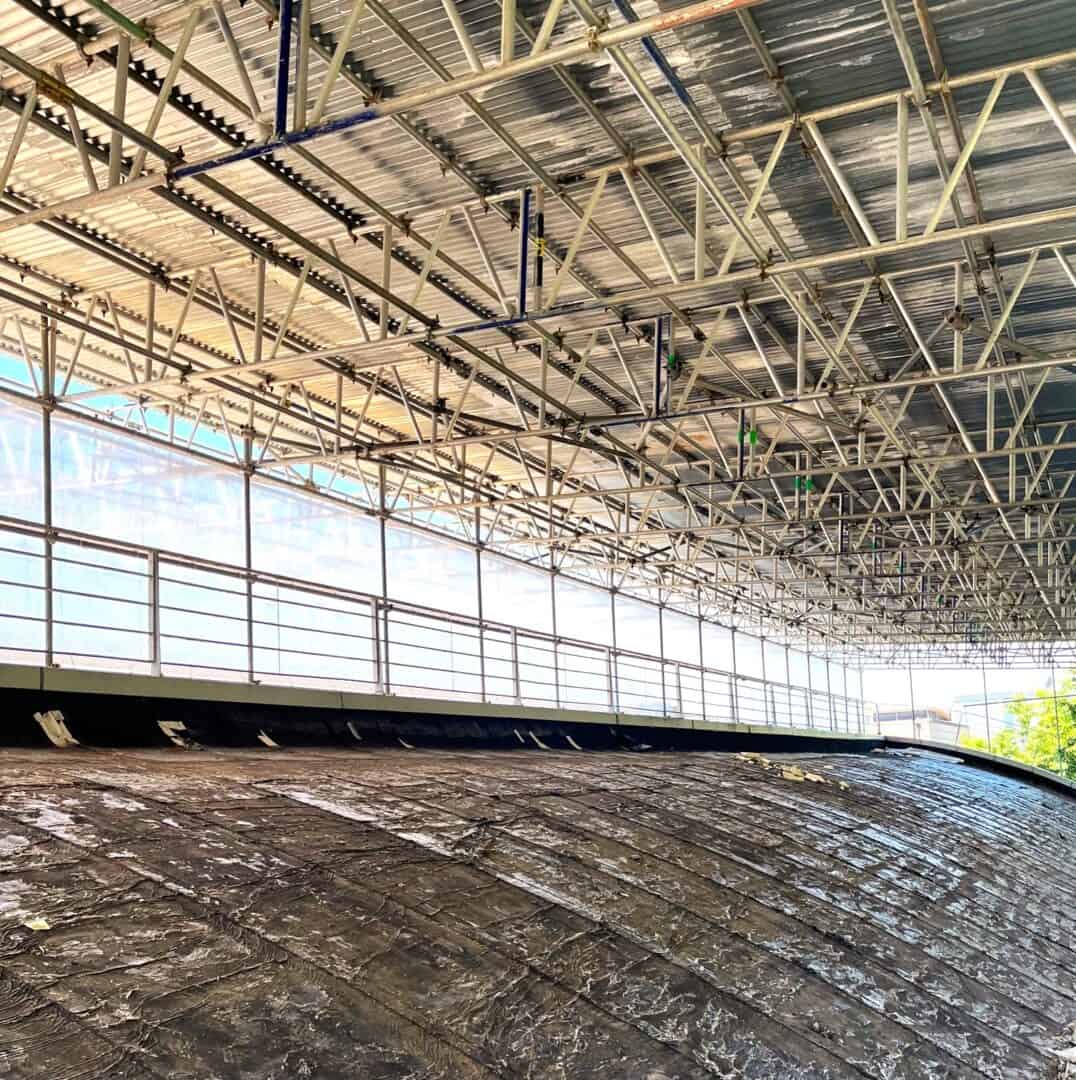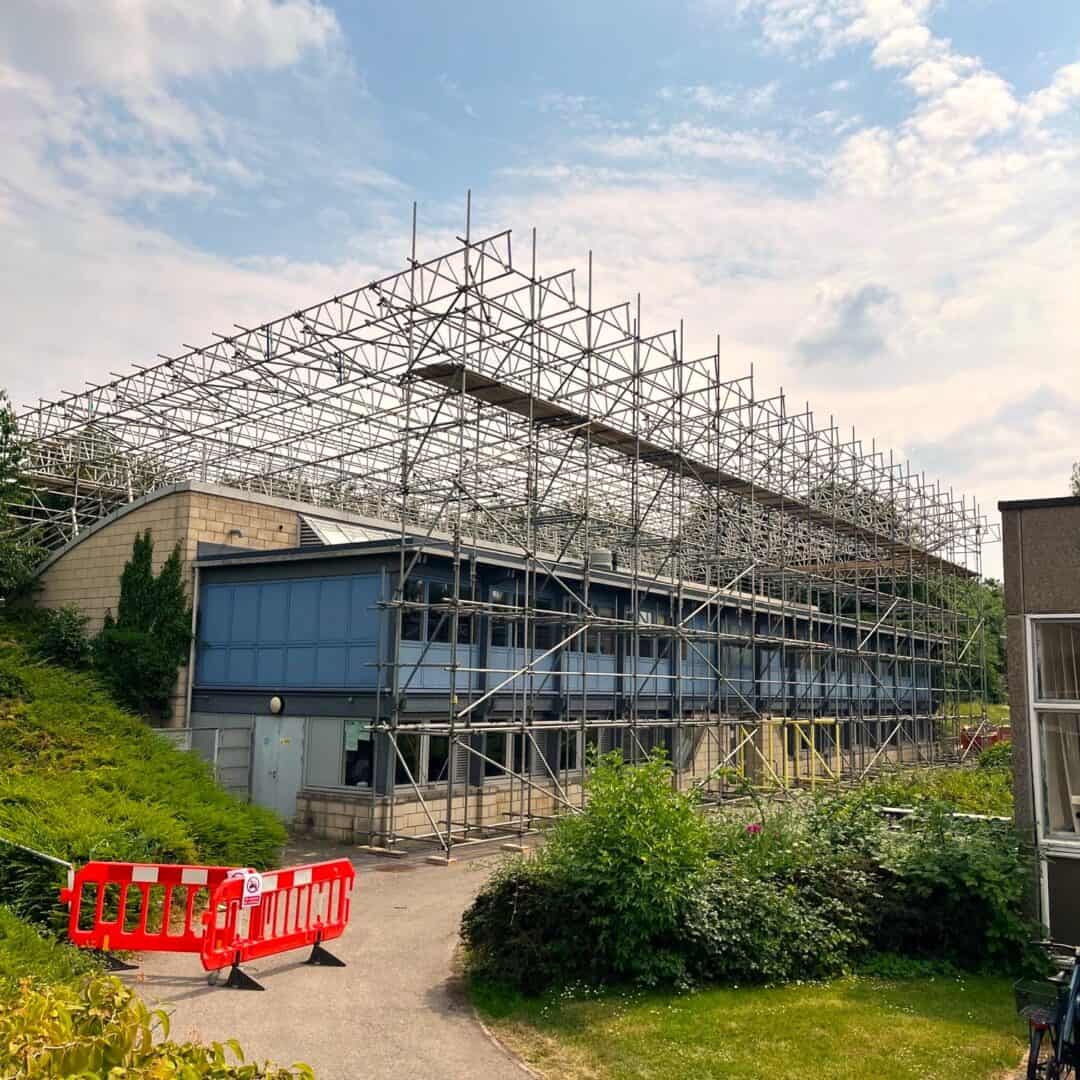
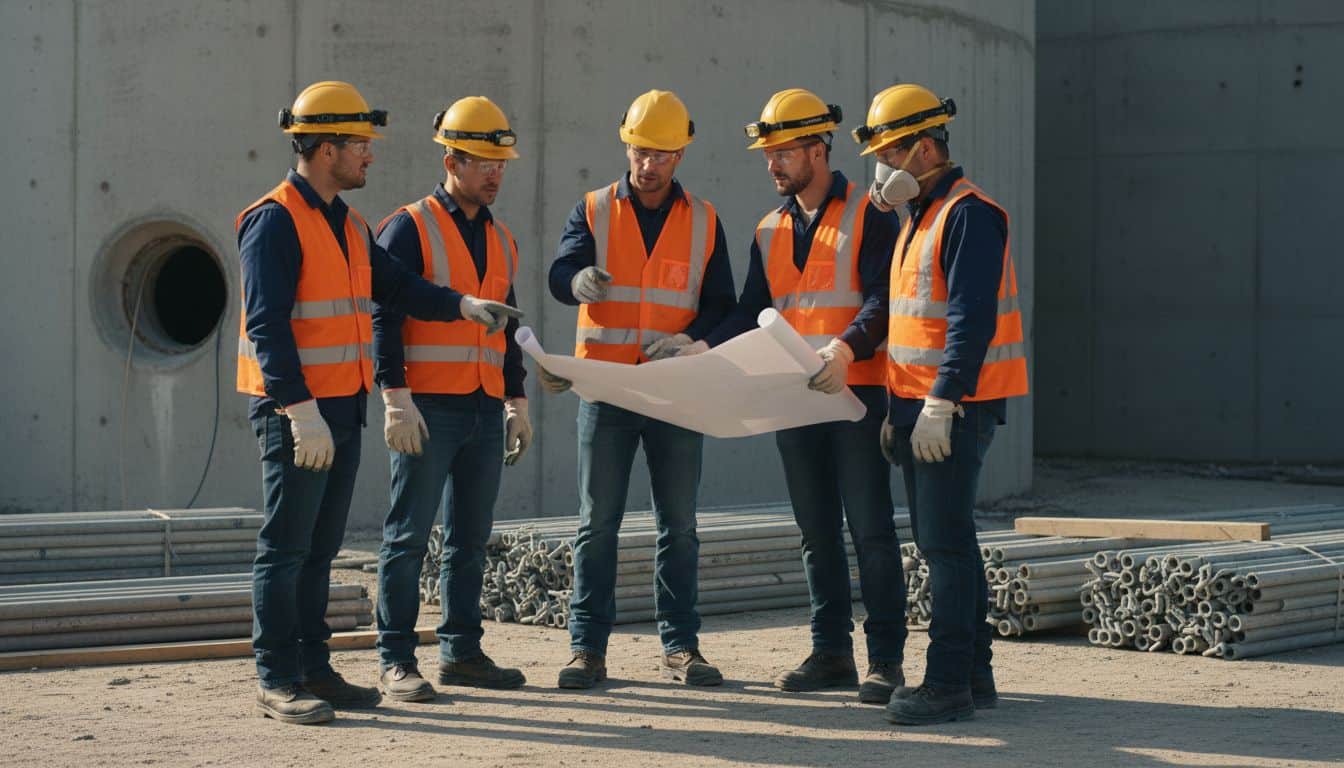
It’s vital that you choose scaffolding systems tailored to confined or complex environments, because restricted access and fall risk present the most dangerous challenges; bespoke modular units, mast climbers and engineered anchor points give you enhanced safety and efficiency, while thorough site surveys and regulatory compliance keep your operation lawful and productive – consult specialists like Scaffolding – Contractors Access Equipment & Direct Scaffold … for certified, site-specific solutions.
Site Assessment & Planning
Risk and constraint analysis (space, load, obstructions, services)
You should survey clearances to the nearest 50 mm, log restricted widths under 1.0 m and map structural capacity – check manufacturer load limits such as 2 kN/m² (≈200 kg/m²) for working platforms. Note fixed obstructions (ducts, gantries), confined hoist points and live services (low-voltage, distribution and gas) which pose the most danger. Use measured drawings and CCTV/utility plans to avoid clashes and specify temporary protection for fragile surfaces.
Access strategy and work sequencing (staging, material delivery, egress)
Plan staging to maintain a minimum 1.2 m clear pedestrian egress where the public route exists and schedule material lifts during off-peak hours; a typical 4-storey façade may require 8-12 pallet lifts by crane or a 500-1,000 kg hoist. Sequence work bay-by-bay to limit suspended loads, keep emergency routes clear and coordinate deliveries to prevent congestion in narrow access lanes.
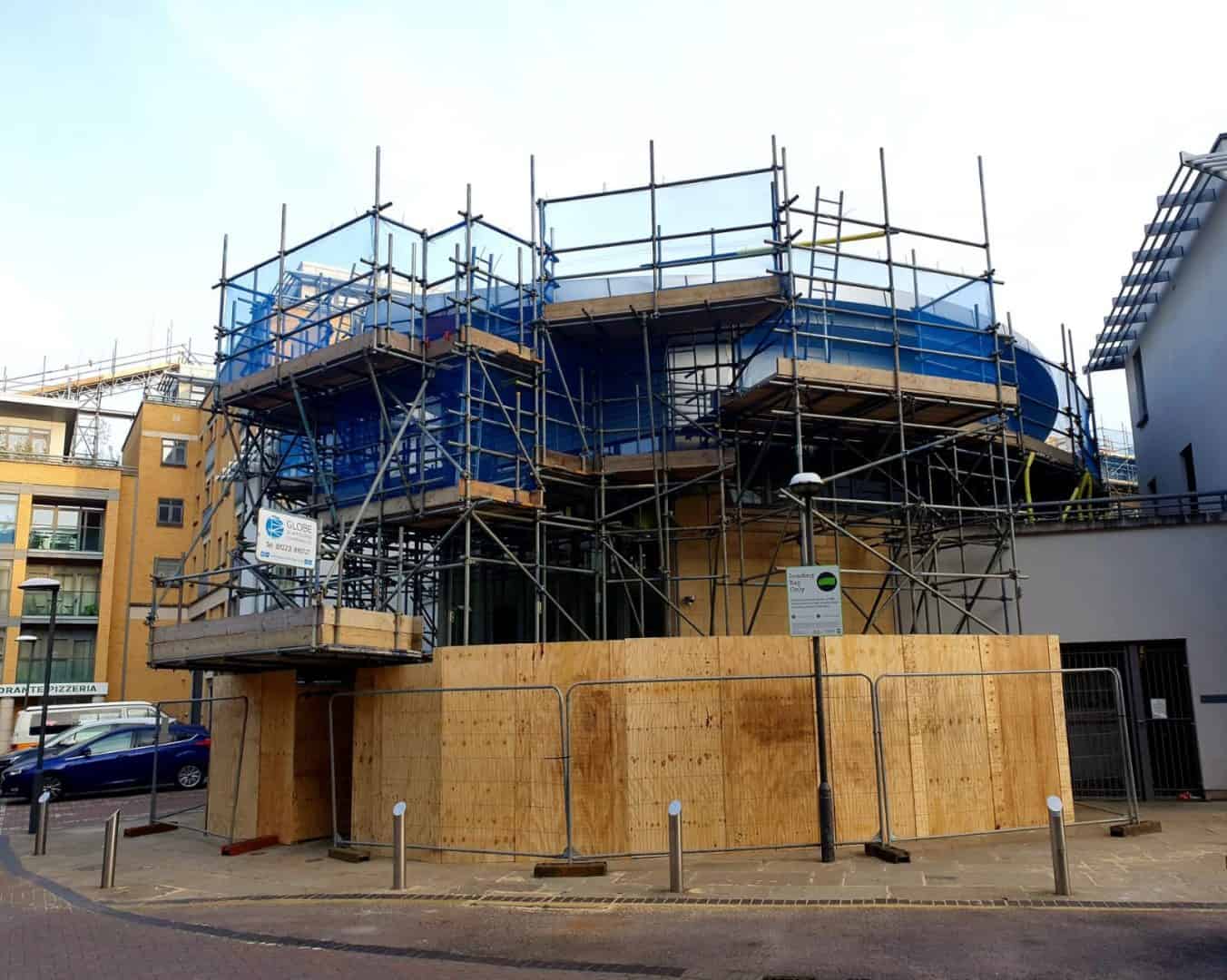
For a constrained urban site you might erect base access towers and protective fans first, then deploy a rooftop crane (2-5 t capacity) alongside a 500 kg goods hoist to stage materials; install scaffold ties as you progress – typically every 4 m vertically and 6-8 m horizontally per supplier guidance – to retain stability. Staging should prioritise heavier lifts early, restrict on-site storage to marked bays, assign a banksman to every lift and enforce a signed permit-to-work for any service isolations to control the most hazardous activities.
Specialized Scaffold Systems
You choose specialised scaffold systems to match tight tolerances and awkward geometry, from low-profile towers that fit through 600-900 mm openings to bespoke suspended rigs for vaulted roofs; examples include plant-room refurbishments, ship engine‐room access and tunnel liner repairs where standard towers cannot be positioned safely without custom solutions.
Mobile, low-profile and modular scaffolds for confined spaces
When you operate in confined plant rooms or service ducts, modular aluminium towers with widths of 0.6-1.2 m and platform loads of 150-250 kg let you assemble quickly on-site; casters with locking brakes and non-marking wheels aid manoeuvreability, and nesting modules reduce transport footprint-as demonstrated in a sewer shaft maintenance job where a 0.9 m tower reached a 3 m depth with minimal disruption.
Suspended, cantilevered and bespoke systems for complex geometry
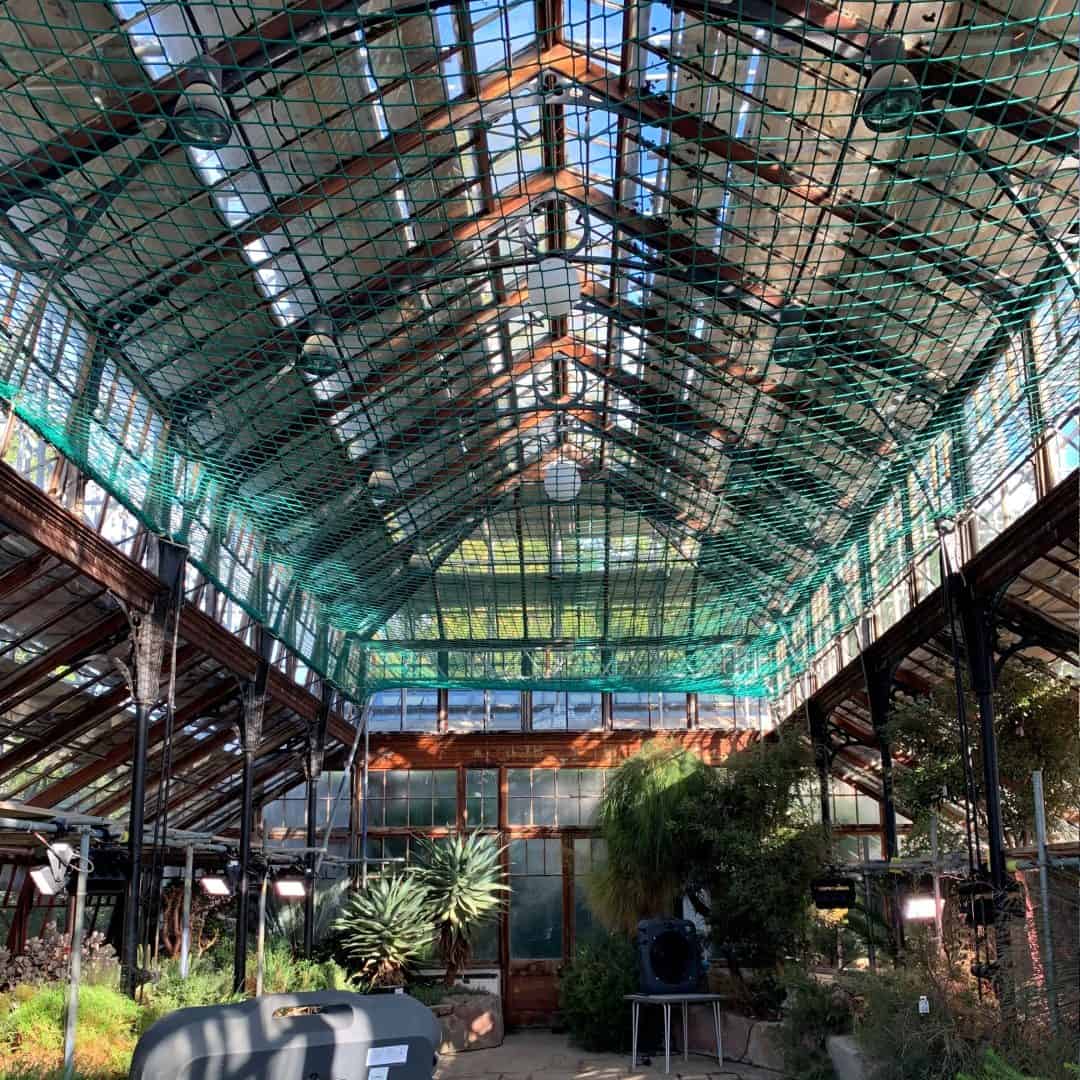
For overhangs and curved façades you deploy suspended cradles, cantilever trusses and purpose-built frames that can span 5-10 m while carrying access teams and tools; these systems demand redundant supports, certified anchor points and secondary fall-arrest systems, commonly used in bridge inspections and cathedral roof repairs where ground-based support is impossible.
You must insist on engineered drawings, anchor pull‑tests and documented proof-loading at typically 125-150% of the working load; installers will often fit load cells, temporary dog‑legs and dynamic dampers to control sway, while engineers validate finite‑element models for bespoke cantilevers so your team works within verified load envelopes and with certified installers.
Design & Engineering Considerations
When space is limited you must prioritise geometry, load paths and modular selection early in the design stage; for confined shafts you might adopt system scaffolds with smaller bay modules (600-750 mm) to fit access openings and reduce cantilevers. Use detailed drawings and refer to Best Scaffolding Systems and Design Principles to choose systems that balance span, stiffness and ease of erection while keeping anchor loads within safe limits.
Structural calculations and load paths within constrained environments
You should trace load paths from point loads to foundations, using beam and frame analysis or FEA where geometry is complex; typical service platform design assumes about 1.5-2.0 kN/m² uniformly distributed load, with localised checks for concentrated loads and tool lifts. Also account for lateral actions: wind in narrow courtyards can produce amplified pressures, so include sway checks and resonance avoidance in your calculations.
Integration with existing structures, anchors and temporary restraints
You must survey the host structure to identify strong fixing zones, selecting anchors with documented capacities-commonly 12-20 kN per anchor-and using multiple anchors to spread loads. Where you cannot penetrate historic fabric, adopt non-penetrative solutions like purpose-made saddles or load-spreading plates and always verify anchor behaviour under combined axial and shear actions.
In practice, you will stagger ties vertically and horizontally to create redundant load paths; for example, on a 10 m high façade you might use a tie at every 2-3 m vertical interval and at bay centres, employing 2-4 anchors per bay to limit demand on any single fixing. When interfacing with masonry or steel beams, test pull-out values on-site and document a factor of safety-typically ≥2.0-against measured capacities. If temporary restraints are required for wind or crane transfers, integrate adjustable bracing and rated turnbuckles so you can tension and monitor forces during the work, and mark all anchor ratings on the site drawings for operatives to follow.
Materials & Components
You’ll select alloys and systems that balance access, strength and corrosion resistance: aluminium 6061‑T6 (≈310 MPa) and stainless 316 are common, while fibre‑reinforced panels give bespoke shapes for tight bends. You’ll favour modular connector families (EN 74 style, quick‑release) to speed erection, and match coatings to the environment – for example, hot‑dip galvanising or epoxy for wet, abrasive sites – to avoid premature failure.
Lightweight, high‑strength materials and connection systems
You can cut scaffold mass by up to 50% using aluminium tubes and composite planks, easing manual handling and access in shafts. You’ll specify tube diameters and wall thickness to suit span and load; aluminium 48.3 mm OD with 3.2 mm walls is common. Connection choices – wedge‑lock pins, quick‑release couplers and EN‑compliant clamp systems – typically offer shear capacities in the multiple‑tens‑of‑kN range and halve assembly time on many underground projects.
Non‑marring fittings, protective coatings and compatibility concerns
You should use neoprene pads, nylon saddles and EPDM shims where surfaces must be preserved, and apply coatings such as hot‑dip galvanising, epoxy powder or polyurethane topcoats for long life. Beware that mixing dissimilar metals (aluminium next to stainless in marine atmospheres) can produce galvanic corrosion, so include dielectric isolators or sacrificial zinc anodes where needed to protect structural integrity.
For specification, you’ll require coating thicknesses of typically 50-100 µm for HDG/epoxy systems and demand salt‑spray (ASTM B117) or BS EN corrosion testing; failures often stem from incompatible primers or solvent attack. Use compatibility charts, specify EPDM or nylon isolators, and set pH/temperature exposure limits in the contract so you don’t discover accelerated degradation after installation.
Erection, Modification & Dismantling
On complex sites you must sequence erection to preserve stability: use 48.3 mm tube or proprietary units, couplers tested to >25 kN and tie scaffolds at typical intervals of every 4 m vertically and 6 m horizontally (EN 12811 guidance). During modification leave a minimum of two independent ties while removing any bay, and size working platforms for an imposed load of 2.0 kN/m². Failure to maintain ties or exceed deck loads is the most common cause of collapse and requires immediate action.
Assembly techniques, tool selection and confined‑space methods
You should favour pre‑assembled towers or modular systems where access is restricted, and use torque‑controlled cordless spanners for consistent coupler preload. Opt for non‑sparking tools and intrinsically safe lighting in potentially explosive atmospheres, and limit bay width to 1.2 m in narrow runs. Always monitor atmosphere with calibrated gas detectors, provide mechanical ventilation of at least 10 air changes/hour where oxygen falls below safe levels, and keep a designated banksman guiding lifts.
Phased dismantling, contingency planning and rescue provisions
You must dismantle top‑down in controlled phases, retaining strategic ties until lower lifts are secured and removing transoms before ledgers to avoid eccentric loading. Maintain a written contingency plan that names a rescue leader, stores a tripod and 200 kg winch for confined rescues, and assigns two trained rescuers per shift. Unplanned tie removal or single‑person rescues are a major hazard and are unacceptable.
When expanding the contingency detail, specify a stepwise sequence: isolate the area, mark exclusion zones 2-3 m beyond falling‑object risk, shore scaffold spans every 3-4 m when dismantling above 6 m, and log each removed tie in your scaffold register. Set gas alarm thresholds (evacuate if oxygen <19.5%), run a radio check before each lift, and practise a full rescue drill at least every 6 months so your team can deploy harnesses, the tripod and winch within 90 seconds.
Safety, Compliance & Training
Pursue compliance with the Work at Height Regulations 2005, the Confined Spaces Regulations 1997 and EN standards such as EN 361. You must appoint a competent person to plan access, issue permits and keep the scaffold register; sites typically require a thorough inspection at least every 7 days and after any alteration or severe weather. Crews trained to IPAF and PASMA standards reduce incidents and downtime.
Regulatory requirements, permits and inspection protocols
Use a formal permit-to-work for confined-space entries and hot works, tying scaffold access to the permit. You should inspect a completed scaffold before first use, then perform documented checks at least weekly and after storms or modifications. Keep inspection records on site for the duration of the contract and present them to enforcement officers on request.
Worker training, fall protection and emergency procedures
Ensure your workforce holds relevant qualifications: an IPAF PAL card (valid five years) for powered access and PASMA for towers, with refreshers typically every two to three years. Fit fall-arrest systems to EN 361 harnesses and use anchorages rated to 12 kN. Plan rescues so you can recover an unconscious worker within 10-15 minutes.
Train personnel on inspection: you must inspect PPE before use and log checks; conduct a thorough examination of harnesses, lanyards and fixed anchors at least annually or after a fall. Practice a confined-space retrieval using a mechanical retrieval device and maintain a competent rescue team on-call; regular drills every six months sharpen response and reduce rescue time.
Summing up
Ultimately you should adopt purpose-designed, modular scaffolding and access systems that prioritise safety, efficiency and adaptability; combine comprehensive site surveys, skilled installers and robust risk controls to ensure compliance, maintain access and reduce downtime, so your project progresses smoothly even within confined or complex environments.