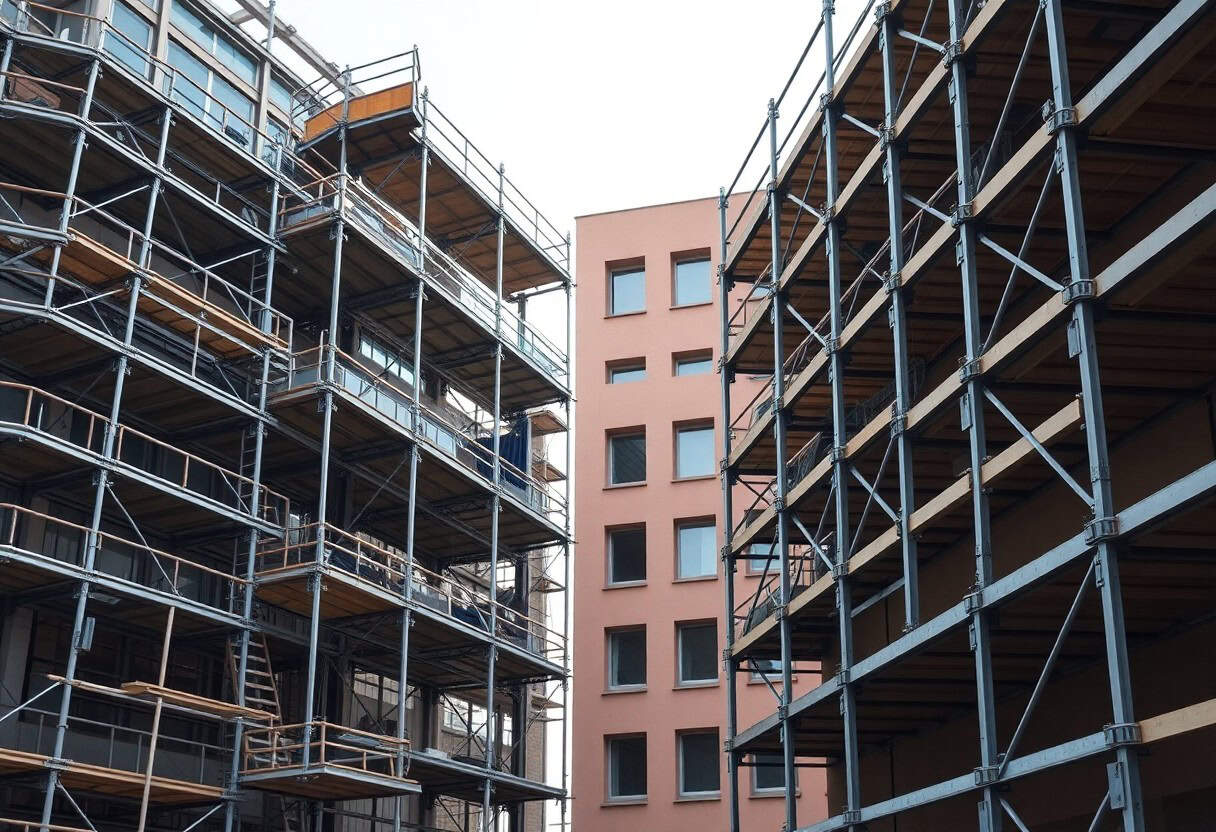
There’s a choice between system and traditional scaffolding that will determine how you balance safety, time and cost on your project; system scaffolds offer faster assembly and modular flexibility, while traditional tube-and-fitting setups can be more adaptable for odd shapes. Consider site access, the scale of work, and the risk of falls or structural instability when selecting a method so you can protect workers, control labour hours and meet regulatory standards.
Understanding Scaffolding
When you compare systems, focus on erection speed, adaptability to complex façades and life-cycle cost: traditional tube‑and‑fitting suits irregular heritage work but demands skilled labour and time, whereas modular systems aim for repeatable bays, faster handovers and fewer components to manage on site. For example, a mid‑size commercial façade can see scaffold erection vary from 3-10 days depending on method and crew size; proper tying and inspection remain the single most important safety control.
Definition of Traditional Scaffolding
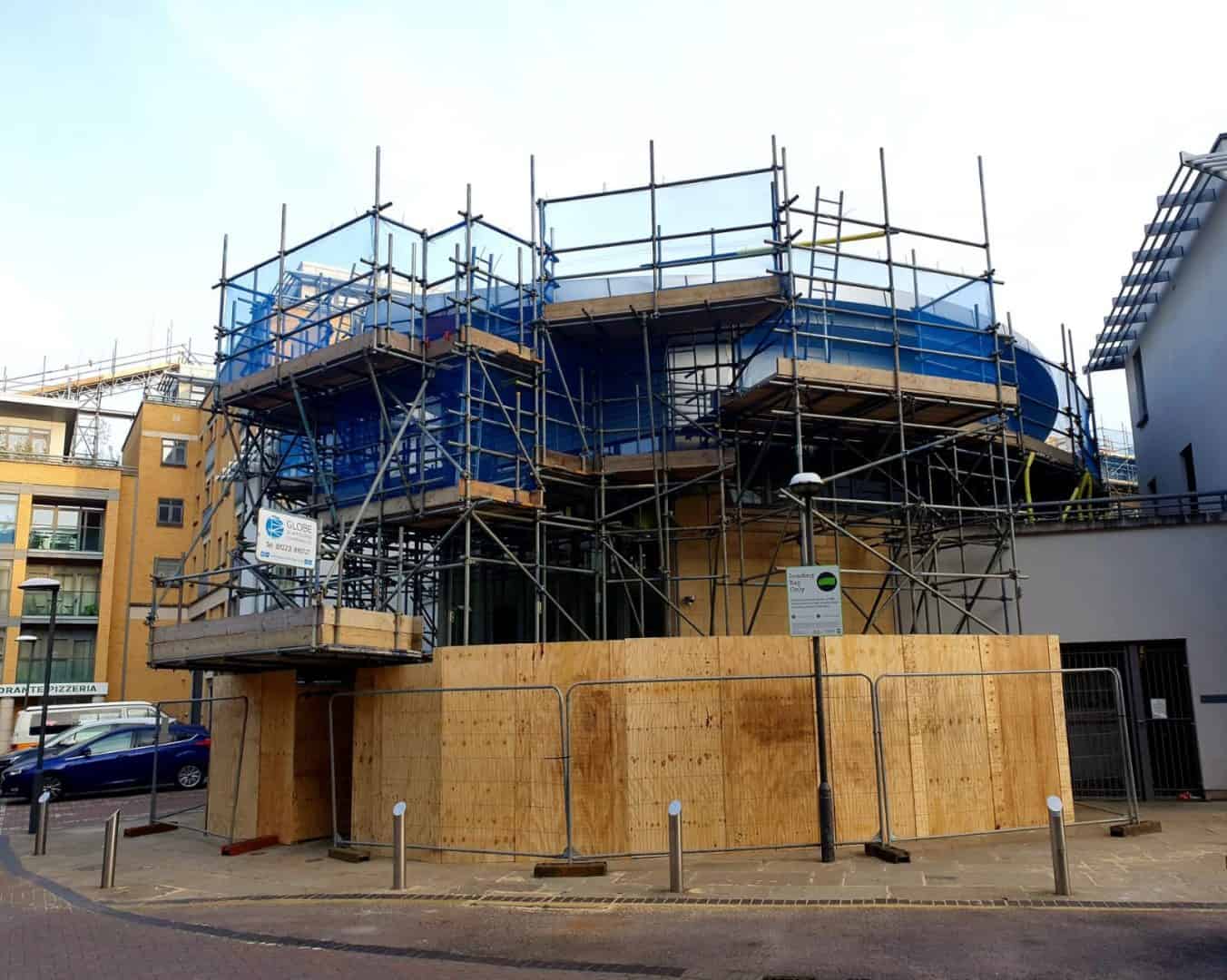
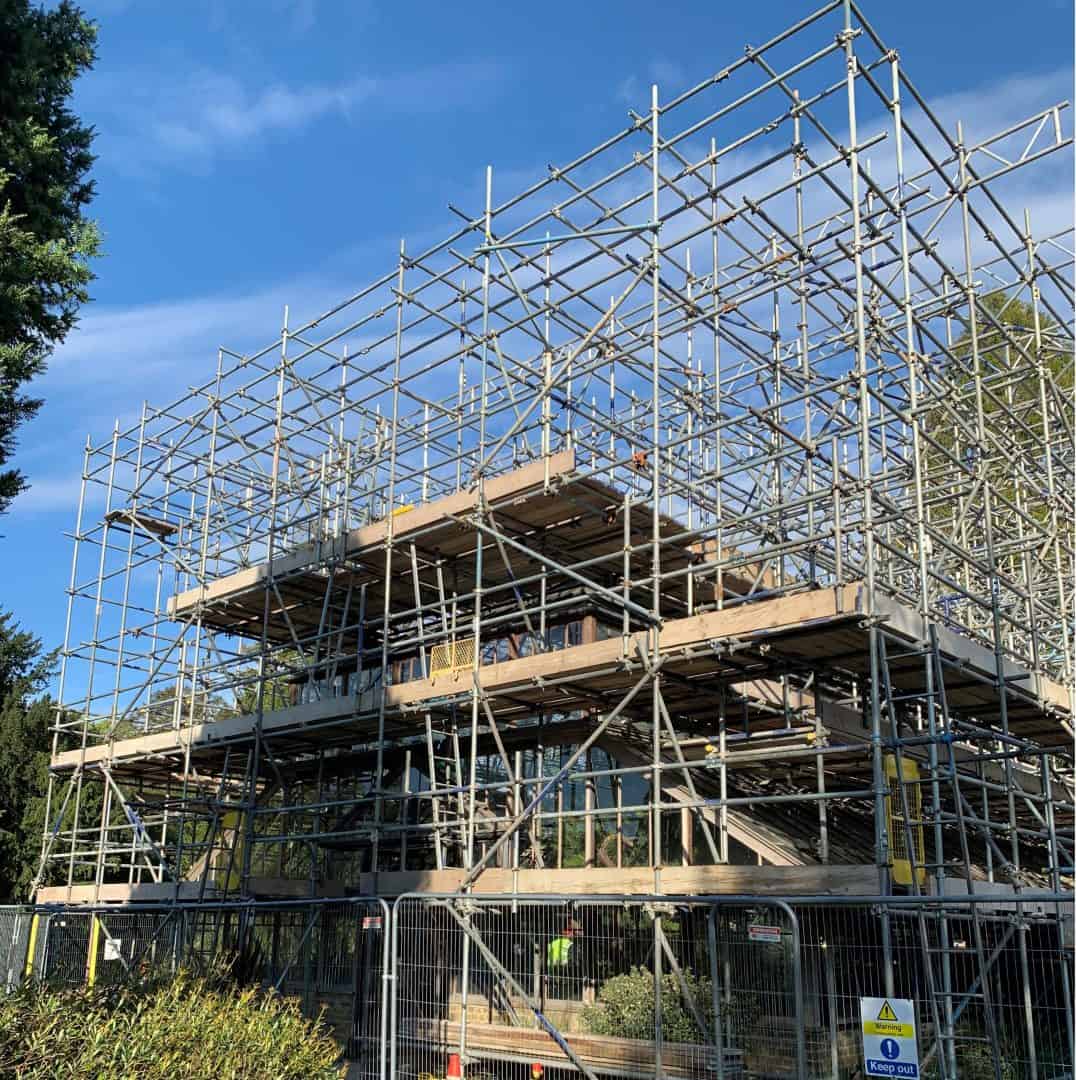
Traditional scaffolding (tube‑and‑fitting) uses individual steel tubes, boards and couplers you cut and assemble on site, giving flexibility for odd angles and restoration projects. It often requires more labour-skilled crews of 3-6 people-and longer assembly time, yet you can adapt it to tight access or irregular geometry; however, incorrectly tightened couplers or missing baseplates pose increased collapse and trip hazards compared with standardised systems.
Definition of System Scaffolding
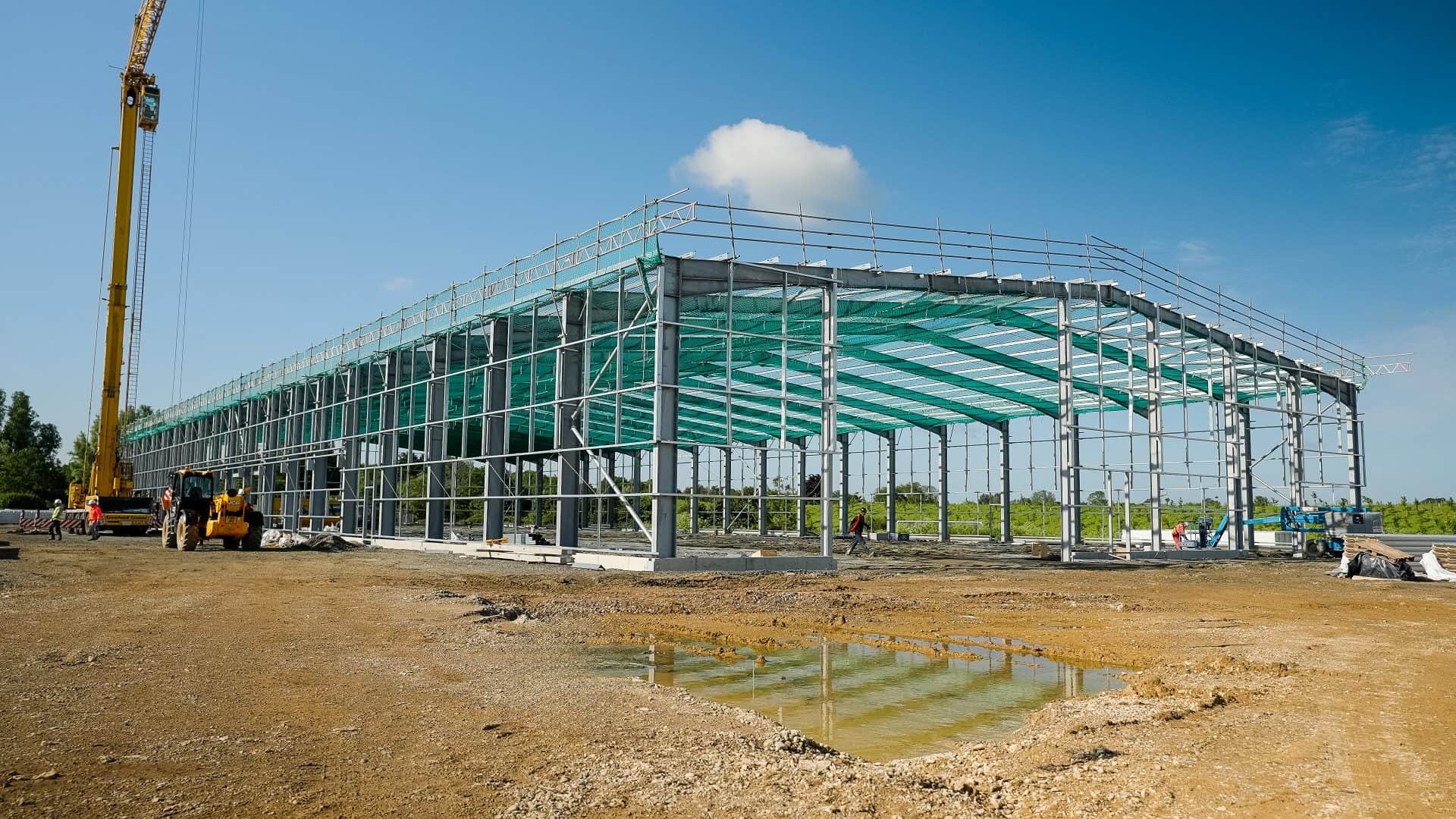
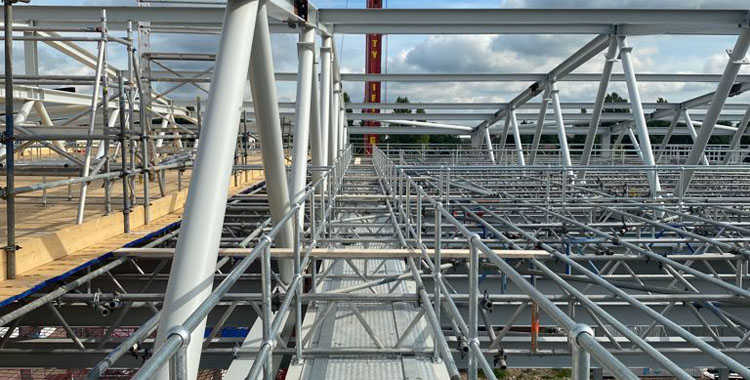
System scaffolding consists of pre‑engineered components-rosettes, ledgers and standardised decks from brands such as Cuplok, Haki or Layher-that slot together to form repeatable bays, reducing complexity on site. You’ll typically see assembly time reduced and logistics simplified: studies and contractor reports show system erection can reduce labour and assembly time by up to 30-50% on routine projects, while offering integrated guardrails and accessory interfaces for faster handovers.
Digging deeper, system scaffolds provide predictable load paths and easier inspection regimes: modular bays (commonly in the 0.75-1.5 metre range) let you calculate uniform live and imposed loads, simplify tie spacing and use fewer loose parts, which lowers manual handling incidents. You should still ensure competency training and follow manufacturer load tables, because overloading or improper tying remains a primary risk despite the system’s inherent advantages.
Key Differences
System scaffolds are factory-engineered and modular, while traditional tube-and-coupler is bespoke on-site; as a result, you typically see assembly time reductions of 30-50% on repetitive projects and clearer load paths that simplify calculations. For a detailed technical rundown consult The system scaffold explained: why you should have it in your inventory, which outlines inventory and operational benefits.
Design and Assembly
Engineered nodes and predefined bay sizes let you erect structures far more predictably than tube-and-coupler; with node spacing down to 0.5 m and prefabricated decks, a trained crew can often put up a three-storey façade in a day on repetitive jobs. Standardised connections eliminate site cutting and reduce complex bracing decisions, which lowers the chance of improper assembly and improves both programme certainty and safety.
Material and Durability
Components are usually galvanised steel or aluminium: galvanised steel offers superior abrasion and fatigue resistance and can deliver a service life of 20-30 years in typical conditions, whereas aluminium reduces weight by roughly 30-50% for easier handling and lower transport costs. You must balance corrosion resistance against handling needs, since heavier steel increases manual-lifting risk if not managed correctly.
On coastal or chemically aggressive sites you should favour aluminium or duplex-coated steel; a five-year harbour refurbishment case showed duplex galvanised frames retained over 90% of their protective coating and extended life by around 10-15 years versus plain galvanised. Implement daily user checks and formal weekly inspections plus after severe weather or impacts to catch worn couplers, bent standards and loose decks before they become structurally dangerous. Track component life-decks and couplers on heavy-rental circuits commonly need replacement after 5-8 years, while well-maintained standards and ledgers often reach 20-30 years-and factor replacement and inspection cycles into your project budget to avoid downtime.
Advantages of Traditional Scaffolding
When you need bespoke access and one‑off solutions, traditional tube‑and‑coupler often outperforms system kits: you can craft irregular platforms, cantilevers and tight‑fit sections around features such as bay windows or chimneys. In practice this means you can work on complex Victorian façades or loft conversions without waiting for bespoke system components, and your team can adapt sections on the fly to meet evolving site demands.
Cost-Effectiveness
For short‑duration projects (typically under 4-6 weeks) you may see 15-30% lower hire charges compared with system scaffolds, because stock components are cheaper to source and return. However, you should factor in labour: skilled erection can add time and therefore labour cost, so overall savings are greatest on smaller, labour‑light jobs rather than prolonged programmes.
Flexibility and Customization
You can configure tube‑and‑coupler to virtually any geometry using standard 48.3mm tubing and a mix of right‑angle and swivel couplers, which makes it ideal where system modules won’t fit. For example, on a Grade II listed terrace you can build independent tied bays, custom walkways and odd‑shaped birdcage platforms to maintain access without altering the fabric.
Delving deeper, traditional scaffolding lets you position ties, putlogs and loading points exactly where needed, enabling bespoke solutions like internal atrium access or scaffold bridges between buildings. Expect erection times to increase by 20-50% on complex jobs and ensure competent erectors; improperly fitted couplers or inadequate ties are the most common hazards and require rigorous inspection and competent person sign‑off before use.
Advantages of System Scaffolding
Compared with tube‑and‑coupler, system scaffolding gives you consistent, factory‑engineered connections, faster repeatable builds and lower life‑cycle costs through component reuse; manufacturers often quote erection time savings of up to 50%. Typical systems come with rated platform load classes (commonly 2-3 kN/m² for medium/heavy duty) and detailed manuals, so you get predictable performance, simplified logistics and easier training for crews across multiple sites.
Safety Considerations
You benefit from integrated guardrails, toe boards and designated anchor points that reduce variability between bays; however, incorrect anchoring, omitted ties or failure to follow the manufacturer’s erection sequence remain the main causes of incidents. Ensure a competent person inspects the scaffold before use and at least weekly, or after severe weather, and that documentation (manufacturer’s load tables and BS EN 12811 guidance) is available on site.
Speed of Installation
Because components are pre‑engineered and modular, you typically assemble system scaffolds far faster than tube‑and‑coupler; projects often report a 30-50% reduction in man‑hours. Standardised fittings like rosettes, wedges or cam locks cut on‑site tightening time, and pre‑measured brackets reduce setting out and alignment work for your crews.
For example, on a 10‑storey office façade a system scaffold team reduced erection from 15 to 8 days, cutting labour by ~40% through pre‑assembled decks and fewer loose fittings; brands such as Layher and HAKI demonstrate how pre‑planned kit, fewer lifts and simplified logistics translate into measurable schedule savings on constrained urban sites.
Ideal Applications for Each Type
In practice, you pick traditional tube‑and‑coupler when geometry is irregular, access is tight or the job is short; choose system scaffolding for repetitive façades, high‑rise work or long programmes where erection speed and engineered connections matter. For example, you might favour traditional for bespoke conservation on a Victorian terrace, but opt for system scaffolds on a 10‑storey apartment block to save 30-50% on assembly time.
Traditional Scaffolding Use Cases
When you face historic façades, chimneys, or confined sites with awkward projections, traditional scaffolding gives the flexibility to adapt on the fly; it’s common on conservation projects and short contracts under two weeks. Be aware that bespoke assembly relies on skilled erectors and non‑engineered joints can increase risk, so you should budget extra labour and supervision.
System Scaffolding Use Cases
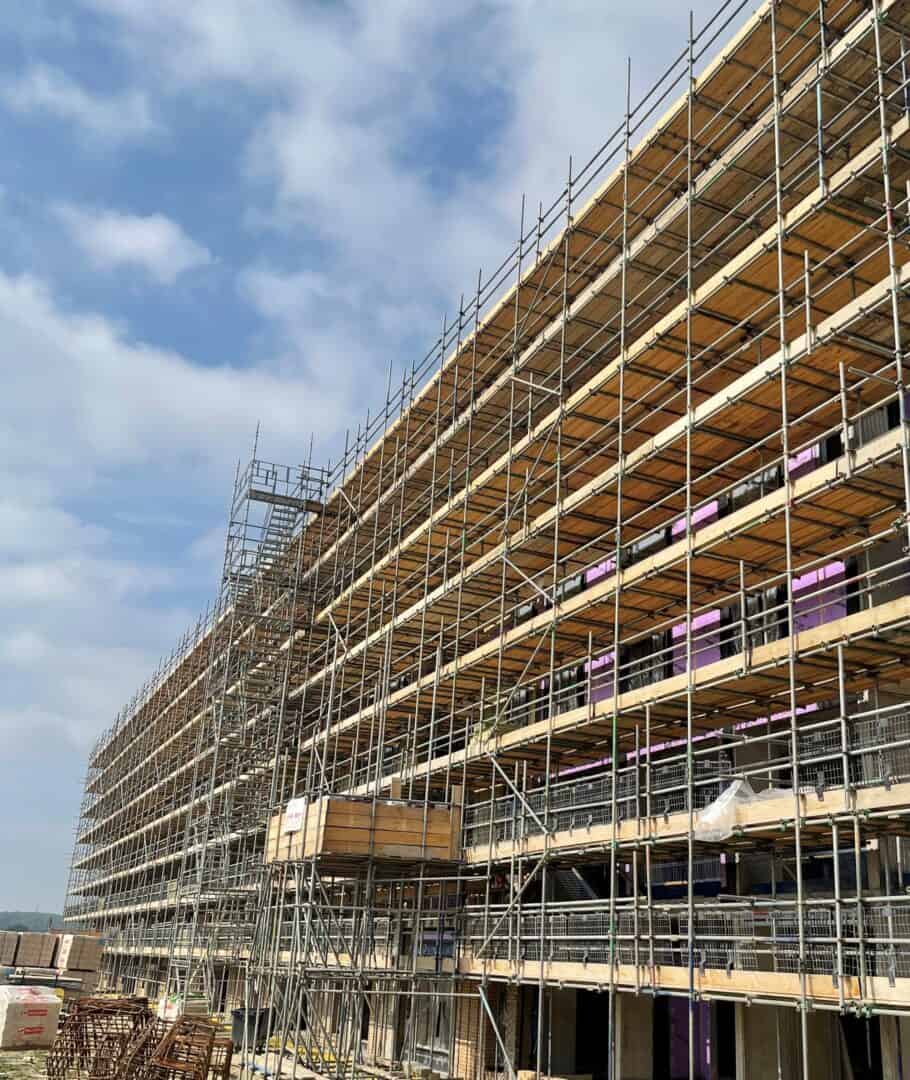
Where you have multiple identical floors, long programmes or tight deadlines, system scaffolding is the go‑to: hospitals, schools, retail fronts and multistorey residential blocks benefit from modular decks, standardised ties and factory‑tested load ratings, making it ideal for projects of five or more repeated levels.
To give more context, on mid‑rise projects you’ll typically save manpower and time because system components slot together and reduce scaffold lift changes; contractors often report fewer design queries and easier compliance with statutory load checks. If you prioritise site productivity and predictable life‑cycle cost, system scaffolding usually delivers the best return.
Factors to Consider When Choosing
Assess site access, load requirements and your workforce skillset quickly: tight streets or complex façades often favour traditional scaffolding, while repetitive elevations and modular façades suit system scaffolding. On medium to large projects you can expect assembly time reductions of around 20-40% and labour savings up to 30% with modular systems; a 200-window refurbishment is a common example where savings stack. Recognizing whether system scaffolding or traditional scaffolding fits your site needs will save time and cost; see System scaffolding versus tube and couplers for a direct comparison.
- Site complexity: access, obstructions, and streetworks
- Height and span: storeys, bay widths and tie requirements
- Programme: duration, phases and reconfiguration frequency
- Cost and logistics: kit hire, transport, storage and labour
Project Scope and Size
When your project exceeds 10 storeys or features spans over 6 m you will likely favour system scaffolding for integrated bracing and faster tie-in; conversely, irregular heritage façades or confined courtyards often require the adaptability of tube and couplers. If you face repetitive elevations-rows of identical windows or balconies-you can standardise bays and cut erect time substantially, whereas bespoke geometry demands on-the-spot adjustments you can only achieve with traditional methods.
Budget and Time Constraints
If your programme is tight, prioritise methods that reduce on-site hours: system scaffolding typically has higher upfront kit or hire costs but can cut erection time by 20-40%, lowering overall labour spend on projects longer than a few weeks. For short, highly custom jobs you might accept slower assembly with traditional scaffolding to avoid mobilisation of specialised components.
Drill into the numbers: for hires under 14 days mobilisation, delivery and dismantle costs can represent 40-60% of total scaffolding expenditure, so you should favour the option with lower logistics overheads. Train your crew on any chosen system-incorrect assembly is the most significant safety risk-and factor in storage, transport and potential resale value when comparing total lifecycle cost.
To wrap up
Hence you should weigh factors like project scale, timeline, site access and budget: system scaffolding often saves time and offers standardised safety for complex or fast schedules, while traditional scaffolding gives flexibility and lower upfront cost for simple jobs; select the option that best matches your programme, skills and long‑term maintenance needs.
FAQ
Q: What are the main differences between system scaffolding and traditional tube-and-fittings scaffolding?
A: System scaffolding uses prefabricated, modular components (ledgers, standards, transoms, and specific connection nodes) designed to lock together quickly and uniformly; it offers faster erection and dismantling, consistent bay sizes, and simplified planning for repetitive façades. Tube-and-fittings relies on individual tubes and couplers for bespoke assemblies, giving greater flexibility for irregular shapes, tight sites and one-off details but requiring more time and skilled labour to assemble. System scaffolds often provide higher specified load capacities and integrated access features, while tube-and-fittings can be more adaptable on constrained or complex sites; choice affects hire and labour costs, inspection regimes and logistical planning.
Q: Which type is better for short-term refurbishment or small residential builds?
A: For short-term or small residential works, tube-and-fittings frequently wins where access is awkward, façades are irregular or bespoke tie-ins are needed, because it can be shaped on site with minimal components. If the job involves multiple identical bays, several storeys or tight programme constraints, a system scaffold can reduce labour time and on-site disruption, often lowering total cost despite higher kit hire. Consider the site footprint, neighbours’ access, storage space for components, and availability of experienced erectors when deciding.
Q: How should I choose between them based on safety, time and budget?
A: Assess three primary factors: safety – choose the option with certified components, predictable load behaviour and easier inspection (system scaffolds often simplify compliance and inspections; tube-and-fittings demands rigorous competency); time – if speed and repeatability are priorities pick system scaffolding, if adaptation and one-off adjustments dominate pick tube-and-fittings; budget – estimate total cost including hire, labour hours to erect/dismantle, transport and any scaffold design fee. Also factor site constraints (ground conditions, access, wind exposure), programme flexibility, local regulations (TG20 guidance and competent person requirements), and whether you will hire or purchase equipment; weigh these items against project duration to select the most economical and safe solution.