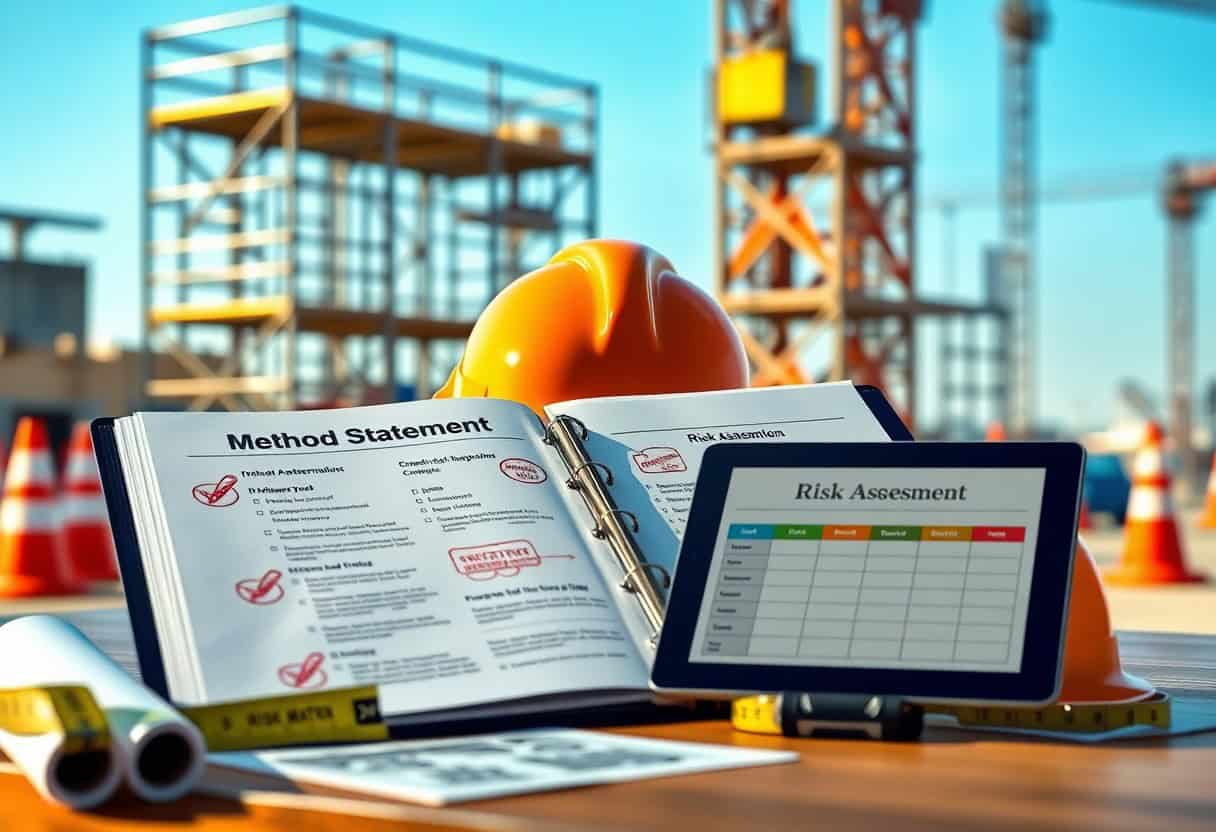
Overall, method statements and risk assessments give you a structured plan so you can identify hazards, assign controls and ensure legal compliance. By documenting safe systems of work you protect your team and assets, reduce delays and make decision-making transparent, so you maintain safety and deliver project success. Use them to demonstrate due diligence and to prevent the most dangerous failures on site.
Understanding Method Statements
Definition and Purpose
Method statements tell you exactly how a planned task will be carried out safely, setting out the sequence, resources and controls so work proceeds with minimal risk. They are expected for high‑risk activities such as confined‑space entry, demolition or lifting operations and link directly to your risk assessment and permit‑to‑work systems. By documenting who does what, when and with which controls, a method statement turns safe intent into repeatable, auditable actions on site.
Key Components of Method Statements
A robust method statement for your project normally includes: scope and sequence of operations, identified hazards and specific control measures, required plant and materials (eg a 2‑tonne crane for beam lifts), personnel competence and training, PPE standards (eg helmets to EN 397), emergency procedures and sign‑off. Including photos, lift plans or isolation diagrams makes the document actionable and helps you reduce ambiguity during execution.
Delving deeper, you should ensure the sequence is broken into discrete steps with responsible persons named, permit requirements (hot works, confined spaces) are referenced, and monitoring arrangements are defined – for example, daily briefings, weekly scaffold inspections and post‑incident reviews. Change control and revision dates must be clear so your team uses the current, approved version throughout the task.
The Role of Risk Assessments
You use risk assessments to turn observed hazards into specific actions within your method statements. A typical site survey will identify 20-50 hazards; prioritise by multiplying a 1-5 likelihood score by a 1-5 severity score to get a clear risk rating. That allows you to focus resources on the highest-risk items – often the top 10-20% of hazards that account for most incidents – and directly link controls to tasks and responsibility on your programme.
Importance of Risk Assessments
By documenting risks you create an auditable record for regulators, clients and insurers, and you give your team a clear roadmap to prevent harm. Projects that implement formal assessments and controls frequently see significant drops in incidents and fewer programme delays; preventing a single major incident can save weeks of disruption and tens of thousands of pounds. Use quantified ratings so everyone understands which risks demand immediate action.
Steps Involved in Conducting Risk Assessments
Begin with a site walkround to identify hazards, then assess likelihood and consequence using a 1-5 scale, evaluate the combined risk score, select controls following the hierarchy of control (eliminate, substitute, engineering, administrative, PPE), record findings in a register and review regularly. Assign responsibilities, set review dates and link each control to specific tasks in your method statement for clarity.
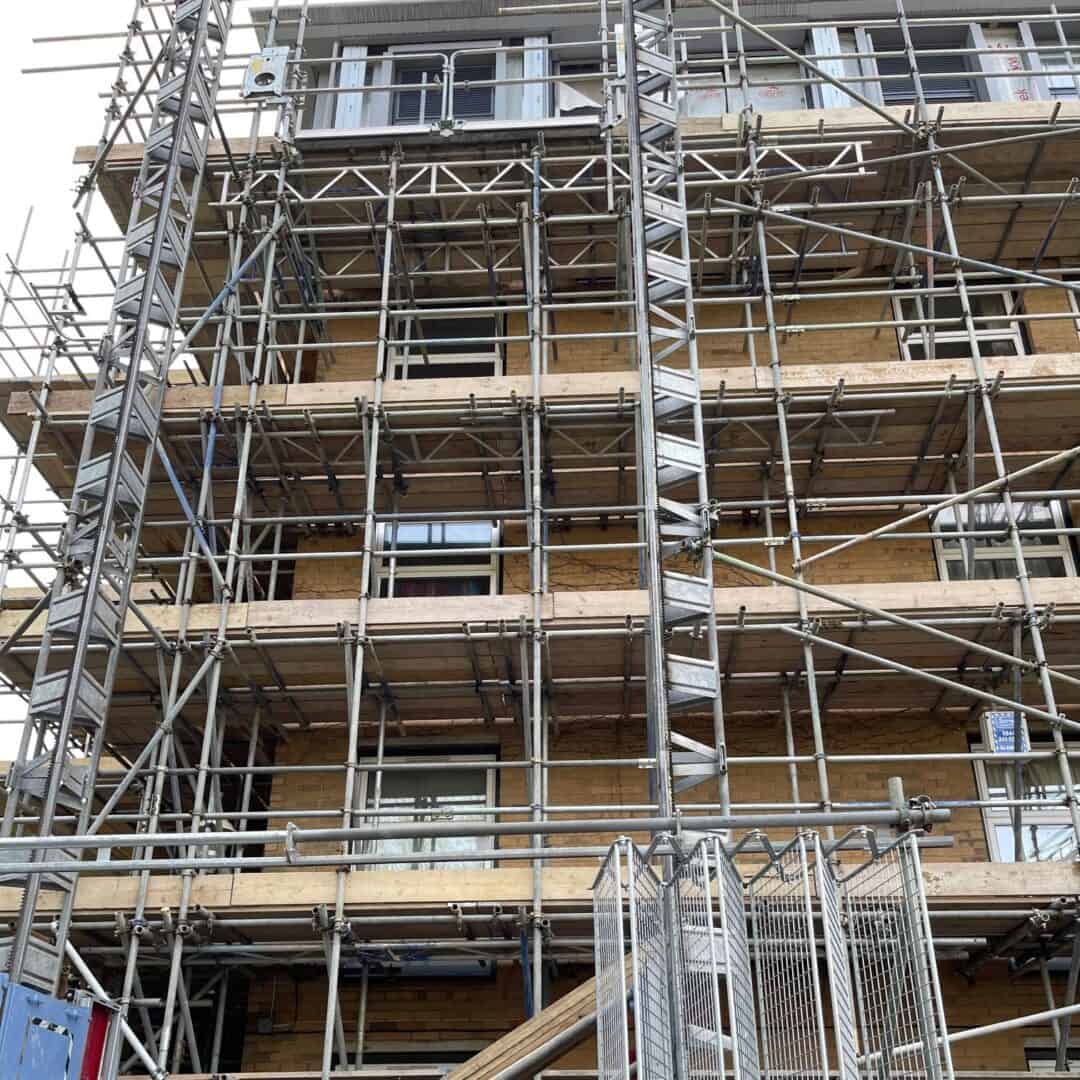
In practice, identify hazards (e.g. working at height, mobile plant), score them, then choose controls: for a façade refurbishment you might eliminate risks by restricting access, engineer solutions like edge protection, and implement administrative measures such as weekly toolbox talks and permit-to-work systems. Monitor effectiveness with weekly checks and update assessments after incidents or design changes to keep your controls proportionate and effective.
Integrating Method Statements and Risk Assessments
Bringing method statements and risk assessments together turns separate documents into a single, actionable plan that you and your team can follow on site; see What is a Risk Assessment Method Statement (RAMS) and why it matters for a practical template. In practice, integrated RAMS reduce duplication, speed up inductions and make audit trails clearer, as demonstrated on medium-scale refurbishments where one combined document cut briefing time by nearly half.
Collaborative Approach
You must involve the client, principal contractor and subcontractors from the outset so hazards are captured across trades; use daily 15‑minute toolbox talks and a shared digital RAMS platform to keep everyone aligned. In that setting, safety reps spot high‑risk items – such as falls from height, excavation collapse and live electrical work – and you can assign specific controls to named personnel, reducing ambiguity and on‑site disputes.
Benefits of Integration
When you integrate, responsibilities are clear, handovers are smoother and compliance with CDM obligations becomes easier to demonstrate; integrated RAMS typically cut paperwork and duplicate checks, improving onsite efficiency. Organisations report fewer incidents and faster decision‑making because controls are linked directly to tasks, enabling supervisors to act immediately when conditions change.
For example, one contractor on a 12‑week fit‑out replaced separate documents with a combined RAMS and saw lost‑time incidents drop from four to one, while induction time fell from 45 to 30 minutes-freeing around 60 labour hours over the project and strengthening your audit trail for regulators and clients.
Legal and Regulatory Considerations
You must align your method statements and risk assessments with the Health and Safety at Work etc. Act 1974 and the CDM Regulations 2015, which require a construction phase plan, clear duty-holder roles and pre-construction information; HSE can serve improvement or prohibition notices. For example, CDM requires notification to HSE for projects lasting more than 30 working days with over 20 workers or exceeding 500 person-days, so keep documents updated, signed off and easily auditable for inspection.
Compliance Requirements
Ensure your method statements identify competent personnel, detail control measures for high-risk activities like falls from height and plant operation, and reference applicable regs such as PUWER and COSHH. Maintain training records, toolbox talks and revision dates, make the construction phase plan accessible on site, and verify subcontractor competence through pre-qualification; demonstrable evidence of these steps reduces enforcement risk and speeds statutory audits.
Consequences of Non-Compliance
Failing to follow regulations exposes you to enforcement action: HSE can issue notices, prosecute under HSWA 1974 and CDM 2015, and courts typically impose large fines and costs; directors can face personal liability and, in extreme cases where gross negligence leads to a fatality, custodial sentences. Non-compliance also risks insurance claims being refused and contracts being terminated.
Beyond criminal penalties you’ll suffer practical losses: prohibition or stop-work notices can halt progress for weeks, legal costs and compensation claims can reach tens or hundreds of thousands of pounds, insurance premiums rise or cover is voided, and reputational damage often costs more long-term than any fine by losing tender opportunities and client trust.
Best Practices for Developing Method Statements and Risk Assessments
When you draft method statements and risk assessments, align with HSE’s five-step risk-assessment process, assign named responsibilities, and pilot controls on a single task before site-wide roll-out; consult templates such as How to Write a Method Statement: Example & Template … for consistent structure. Set review triggers for scope changes, log revisions, and schedule audits every 4-6 weeks to keep documents current and auditable.
Tips for Effective Implementation
Embed processes that make the documents live tools for your team:
- method statements drafted with step-by-step controls
- risk assessments quantifying likelihood and consequence
- hazard identification updated after site walks
- control measures linked to responsible persons
Recognizing that short, focused toolbox talks (10-15 minutes) plus fortnightly checks significantly raise compliance completes an effective implementation cycle.
Common Pitfalls to Avoid
You frequently encounter issues where generic controls are copied across different tasks, residual risk is omitted, and operatives are not consulted; these errors create gaps between the paper and practical execution and increase exposure to harm. Ensure your documents specify emergency actions and permit triggers, and record competence verification for every high-risk activity.
When the site evolves-new plant, night shifts or subcontractors-you must update both documents immediately; failing to do so often causes rework, delayed permits and unsafe assumptions on who controls what. Use change logs, photographic evidence and short post-task reviews to close the loop and make your controls verifiable and enforceable. Recognizing this prevents drift between plan and practice.
Case Studies
Here are concrete examples showing how integrated method statements and risk assessments protect delivery and reduce harm: documented projects report marked declines in incidents, measurable time savings and lower costs when controls are applied and audited; these figures guide how you should prioritise controls on your sites.
- 1. High-rise refurbishment (120 workers): introduction of standardised method statements led to a 64% drop in recordable incidents, recovery of 22 working days, and an estimated £95,000 insurance saving.
- 2. Tunnel boring (40 crew): targeted risk assessments identified subsidence; proactive shoring averted collapse, delivering 0 LTIs over 18 months and avoiding a projected £1.2m remedial bill.
- 3. Industrial plant shutdown (72-hour): combined method statements and permit-to-work cut permit errors from 9 to 1, finishing 14% faster and underrunning budget by £48,000.
- 4. Warehouse retrofit (30 operatives): enforced PPE and access controls reduced slips/trips by 78%, with 12 near-misses closed within 24 hours.
- 5. Bridge repair (15 specialists): incomplete method statements preceded a scaffold collapse-resulting in 1 major injury, 180 lost days and a regulatory fine of £350,000, prompting revised competency checks.
- 6. Offshore maintenance (50 crew): updated risk assessments instituted drills; evacuation time fell from 12 to 4 minutes, and audit scores rose from 62% to 94%.
Successful Applications
You achieve measurable safety and schedule benefits when you embed clear method statements, data-driven risk assessments and regular briefings: multiple projects show 55-70% reductions in minor incidents, improved workforce adherence and lower premiums, provided controls are monitored and updated.
Lessons Learned from Failures
Failures typically arise from superficial risk assessments, outdated method statements or lack of worker engagement, exposing you to delays, major injuries and large fines-illustrated by the bridge case with a £350k penalty and 180 lost days.
More detail shows you must enforce version control, routine audits and competency validation, plus capture near-miss data and act on it promptly; these steps convert lessons from failures into repeatable safeguards that reduce both risk and cost.
Summing up
Summing up, method statements and risk assessments give you a clear, documented roadmap of how work will be done safely, reducing incidents, downtime and cost overruns; they demonstrate legal compliance, allocate responsibilities, guide training and decision-making, and provide auditable proof that you have managed hazards effectively to protect your project, workforce and reputation.
FAQ
Q: What are method statements and risk assessments, and how do they work together to protect a project?
A: Method statements are written, step‑by‑step descriptions of how specific tasks will be carried out, who is responsible, what plant and materials will be used, and what control measures are applied. Risk assessments identify hazards associated with those tasks, evaluate the likelihood and severity of harm, and specify control measures to reduce risk to an acceptable level. Together they form a linked control system: the risk assessment defines what must be controlled and why, and the method statement describes how those controls will be implemented on site. This pairing provides evidence for statutory compliance (for example CDM obligations), clarifies responsibilities, informs training and inductions, and creates an audit trail for inspections and insurance queries.
Q: How do method statements and risk assessments reduce delays, costs and contractual exposure?
A: By identifying hazards and planning safe, practical work sequences in advance, risk assessments and method statements reduce the likelihood of accidents, rework and unplanned stoppages. They allow accurate task sequencing and resource allocation, which improves programme reliability and procurement planning. Early identification of site constraints (underground services, confined spaces, interface with other trades) enables mitigation before work starts, avoiding costly excavations or redesign. Clear documentation also reduces contractual disputes by showing due diligence and competent decision‑making, and it helps satisfy client, insurer and regulator expectations, which can lower the chance of enforcement action or claims.
Q: What are best practice steps for keeping method statements and risk assessments effective throughout a project?
A: Treat them as live documents: prepare site‑specific versions, control versions centrally, and update them whenever scope, site conditions or personnel change. Ensure competence by having a suitably experienced person author and review the documents, and require acceptance by those who will supervise and carry out the work. Communicate content through inductions, toolbox talks and visible briefings; keep copies accessible on site and on mobile devices. Monitor compliance through inspections and audits, record deviations and incidents, and use those records to revise controls and method statements. Finally, retain versions for handover and post‑project review so lessons learned feed into future risk management and continuous improvement.