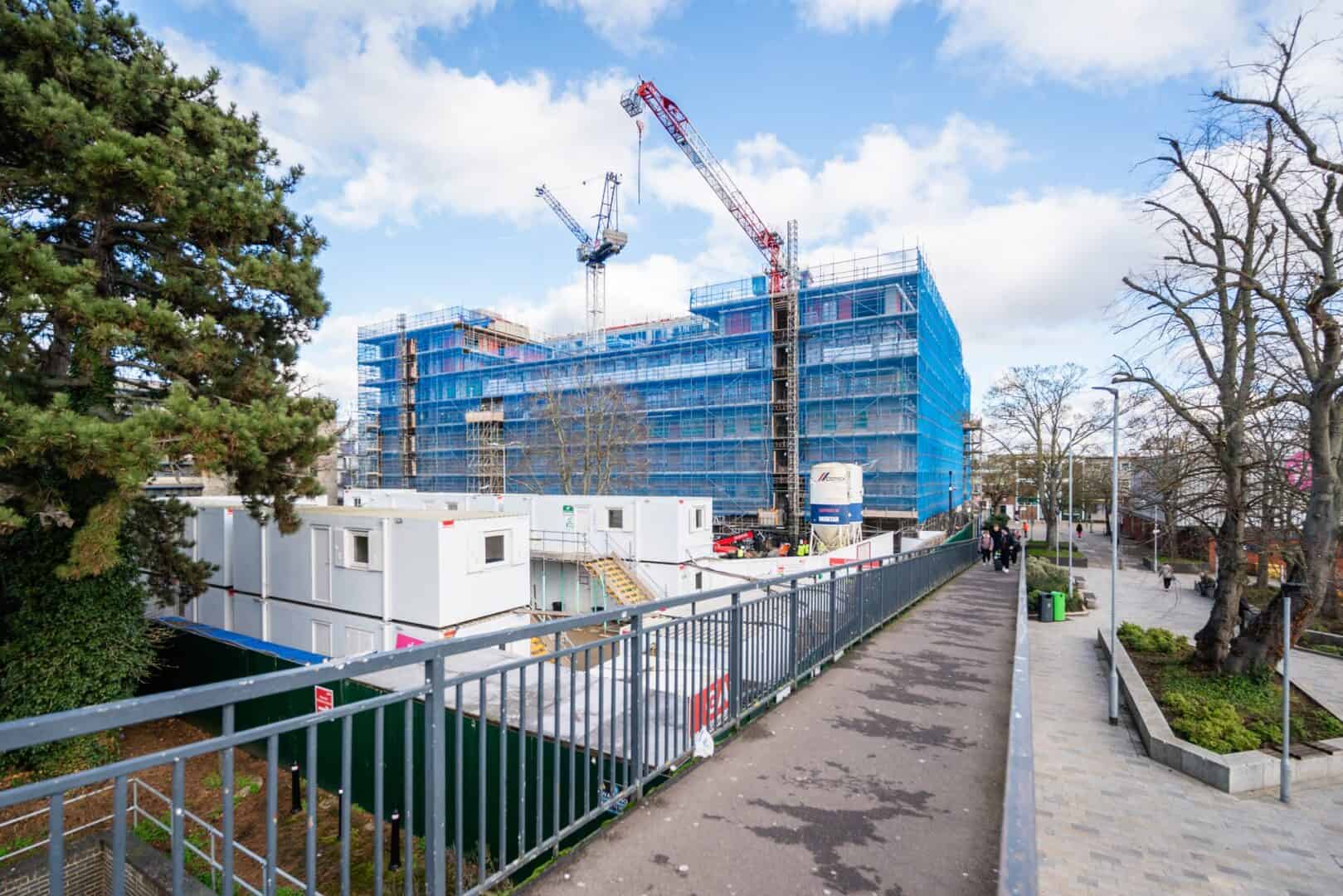

Scaffold decommissioning is the part of the scaffold lifecycle that gets the least attention at tender stage and the most attention when something goes wrong. By the time the scaffold is coming down, the productive part of the work has been done. Decommissioning feels like overhead. In practice, it carries safety risk that rivals the install phase, and it interacts with the build programme in ways that are easy to underestimate.
The CDM dimension is the part most often overlooked. Scaffold strike is a work-at-height activity in its own right. The fall protection that was in place during the build is being progressively removed as the dismantling progresses. The trades working above the dismantling crew need to be coordinated out of the area. The route by which materials come down the scaffold needs to be controlled to prevent uncontrolled drops.
None of this is unique to scaffold. What is specific to scaffold is the speed at which the lifts can come down once the dismantling sequence is committed. A reasonably experienced crew can strip a residential gable scaffold in less than a day. The window for coordination is therefore short. Where the dismantling sequence has not been agreed in advance with the principal contractor and adjacent trades, the friction shows up on the day.
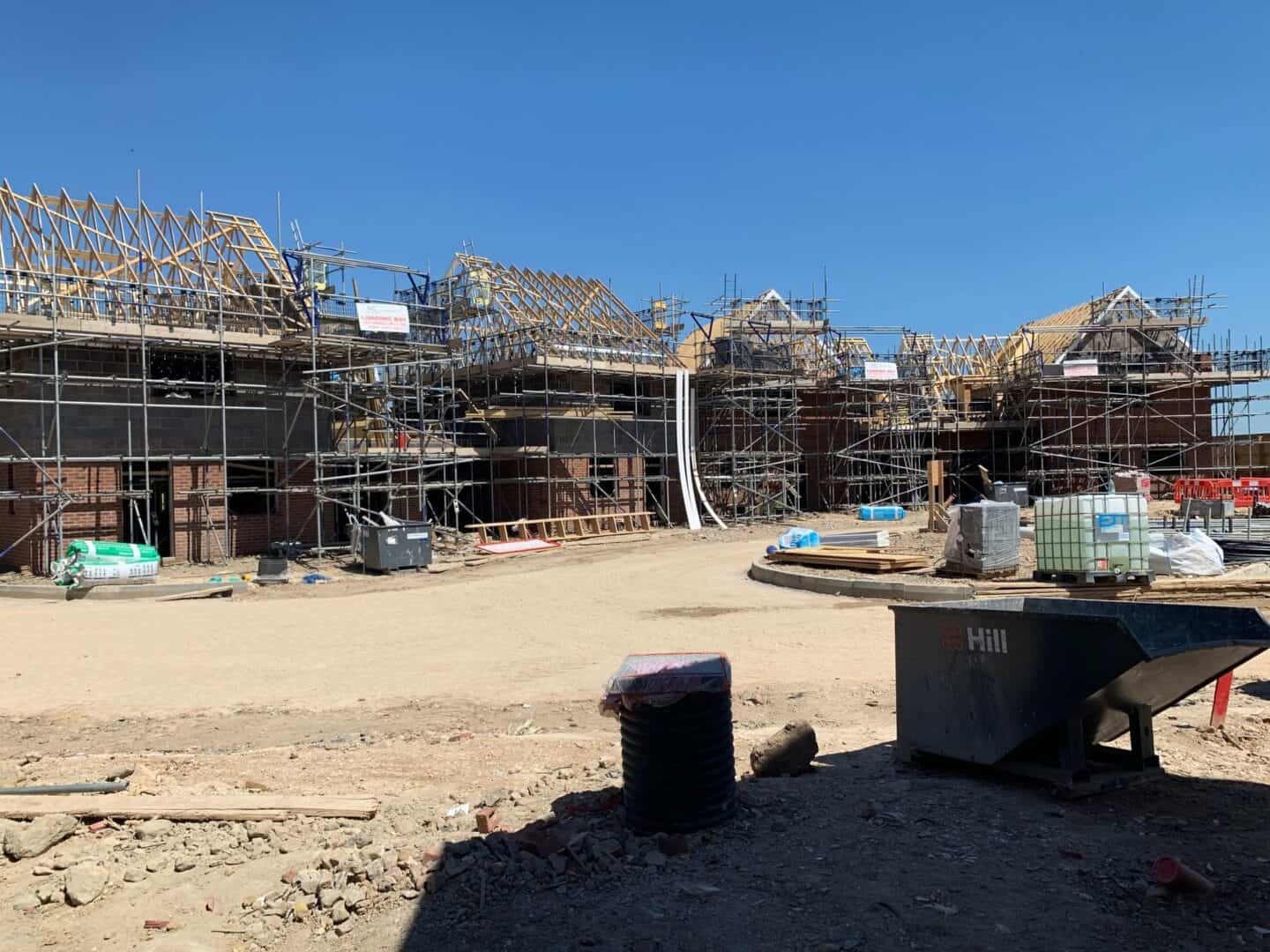
The programme dimension is the part most often miscalculated. Developers and QSs often programme the scaffold strike as if it were a single event. In practice, on a phased residential development, scaffold is being struck progressively across plots over several weeks. The strike of one plot’s scaffold has to be coordinated with the trades still working on adjacent plots, with the landscaping that will follow, and with the access requirements of subsequent works.
A scaffold contractor running this well has a documented strike sequence agreed at pre-start, updated as the live programme moves, and communicated to all the trades whose work depends on the access. A contractor running it badly arrives one morning to strike a scaffold and finds the brickie gang still working on a chimney on the same elevation. The brickie gang stops. The scaffold strike postpones. The scaffold contractor invoices the half-day mobilisation. The developer pays for the gap.
Reinstatement is the other commonly missed item. As scaffold is dismantled, the points where ties penetrated the wall need to be sleeved out and reinstated. Where the scaffold sat on hardstanding, the hardstanding may need attention. Where the scaffold left tracks across landscape areas, the landscape will need remediation. All of these are scope items. None of them is automatic.
Globe Cambridge programmes the scaffold strike as part of the original pre-start coordination rather than as an afterthought at the end. The strike sequence is documented per plot, communicated to the principal contractor, and updated as the build programme adjusts. Reinstatement is in scope by default. The developer does not get a separate variation for the tie-hole repairs.
For developers and QSs reviewing scaffold tenders, the practical question is what the contractor includes in their strike scope. A tender that addresses the dismantling sequence, the reinstatement, and the coordination with adjacent trades is a tender from a contractor who has thought through the full lifecycle. A tender that prices only the erection and the duration is a tender from a contractor who will charge for the strike-related items as variations later.
The HSE pays specific attention to scaffold dismantling activities in their site inspection regime. Incidents during strike are a recognised category of work-at-height accident. The CDM file should evidence that the strike was planned, briefed, and inspected during execution. Where the documentation is thin, the principal contractor’s defensive position in any post-incident review is weaker than it should be.
For developers running multiple sites in parallel, the predictable cost of well-coordinated scaffold decommissioning is significantly less than the unpredictable cost of poorly coordinated strikes accumulating across the portfolio. The investment in pre-start coordination on this specific item pays back faster than most operational improvements in the scaffold package.
Talk to Globe Cambridge To discuss scaffold decommissioning on your scheme on your scheme, contact Globe Cambridge on 01223 890727 or email enquiries@theglobegroup.co.uk.