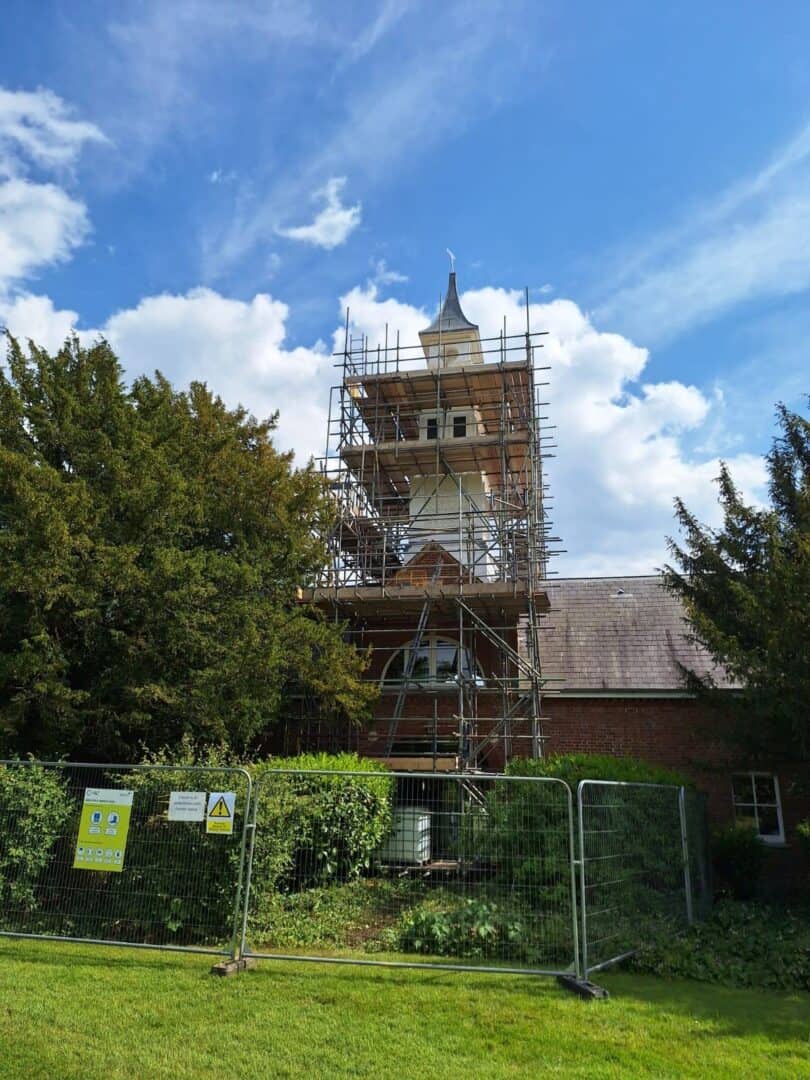
Falls from height remain the single largest cause of fatal injury on UK construction sites. The Health and Safety Executive’s published statistics for the last five years are consistent on this point. Working at height is, by some margin, the highest risk activity construction workers undertake. The duty to control that risk sits across the principal contractor, the designer, the scaffold contractor and the fall protection specialist, and it sits jointly with the duty to plan the work itself.
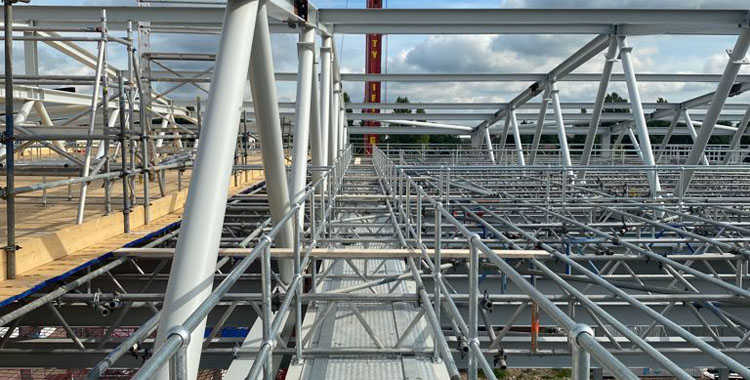
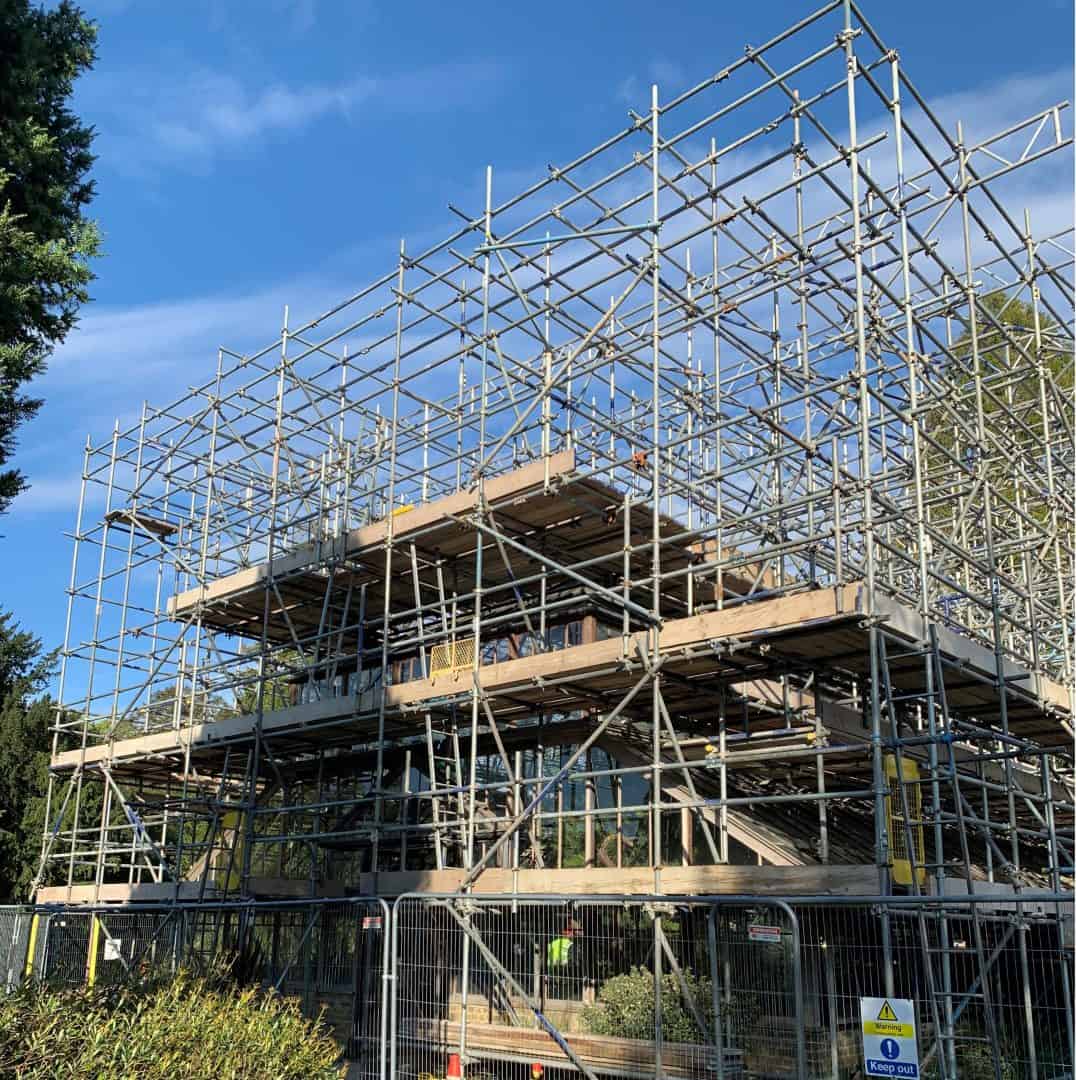
For scaffold contractors, the obvious response is to ensure that every scaffold provides safe working from the platform itself. Double guardrails, toe boards, brick guards where loading is being carried out, ladder access compliant with current standards, and proper sequencing of board moves as work progresses. These are the basics. They are not, by themselves, sufficient on most sites.
The reason they are not sufficient is that scaffold cannot protect every moment of the work above and around it. A roofer working on a pitched roof above scaffold is, momentarily, beyond the scaffold’s edge protection. An operative moving plant or materials onto the working platform crosses thresholds where guardrails do not exist. A trade dismantling temporary works above the scaffold has, by definition, partially removed the edge protection above their head.
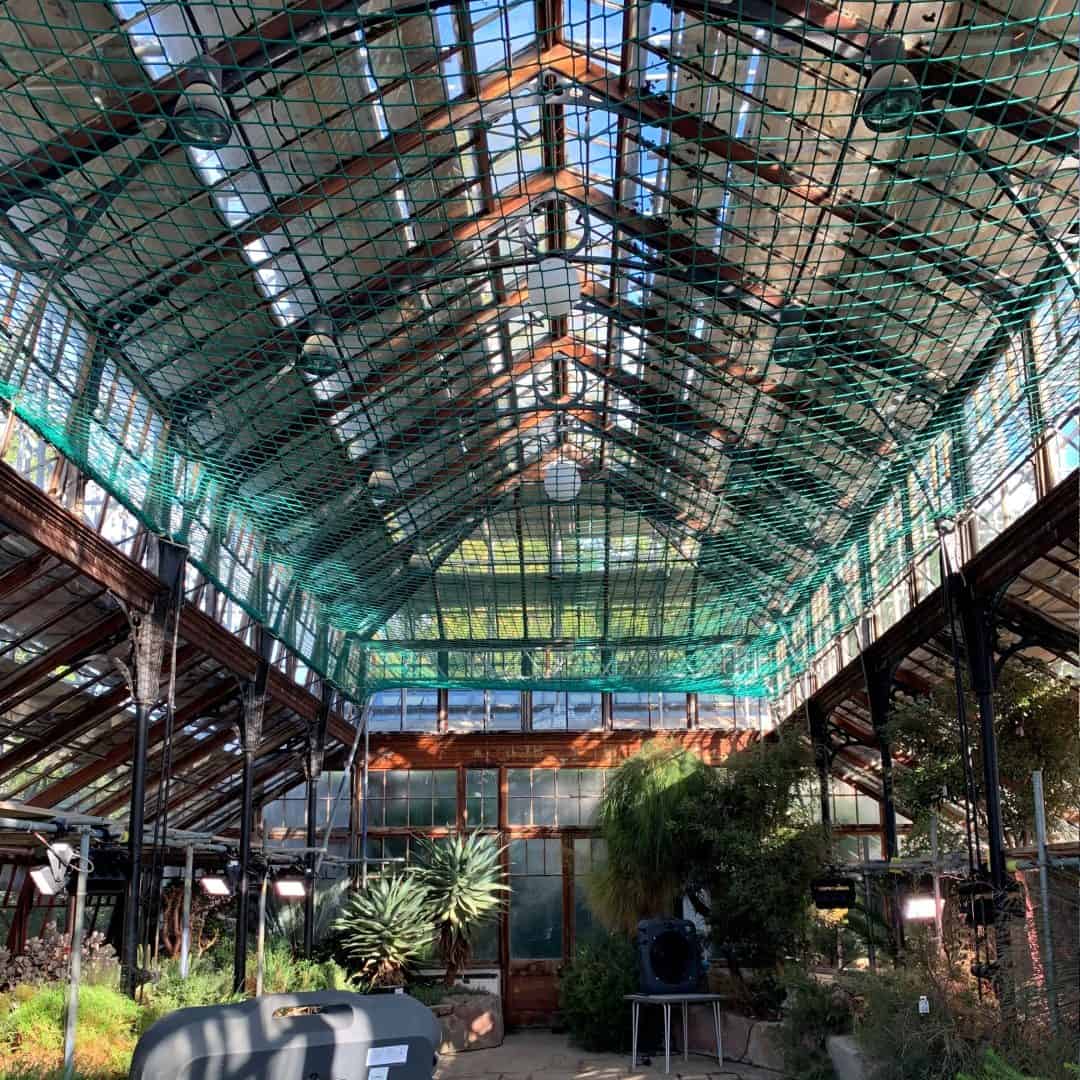
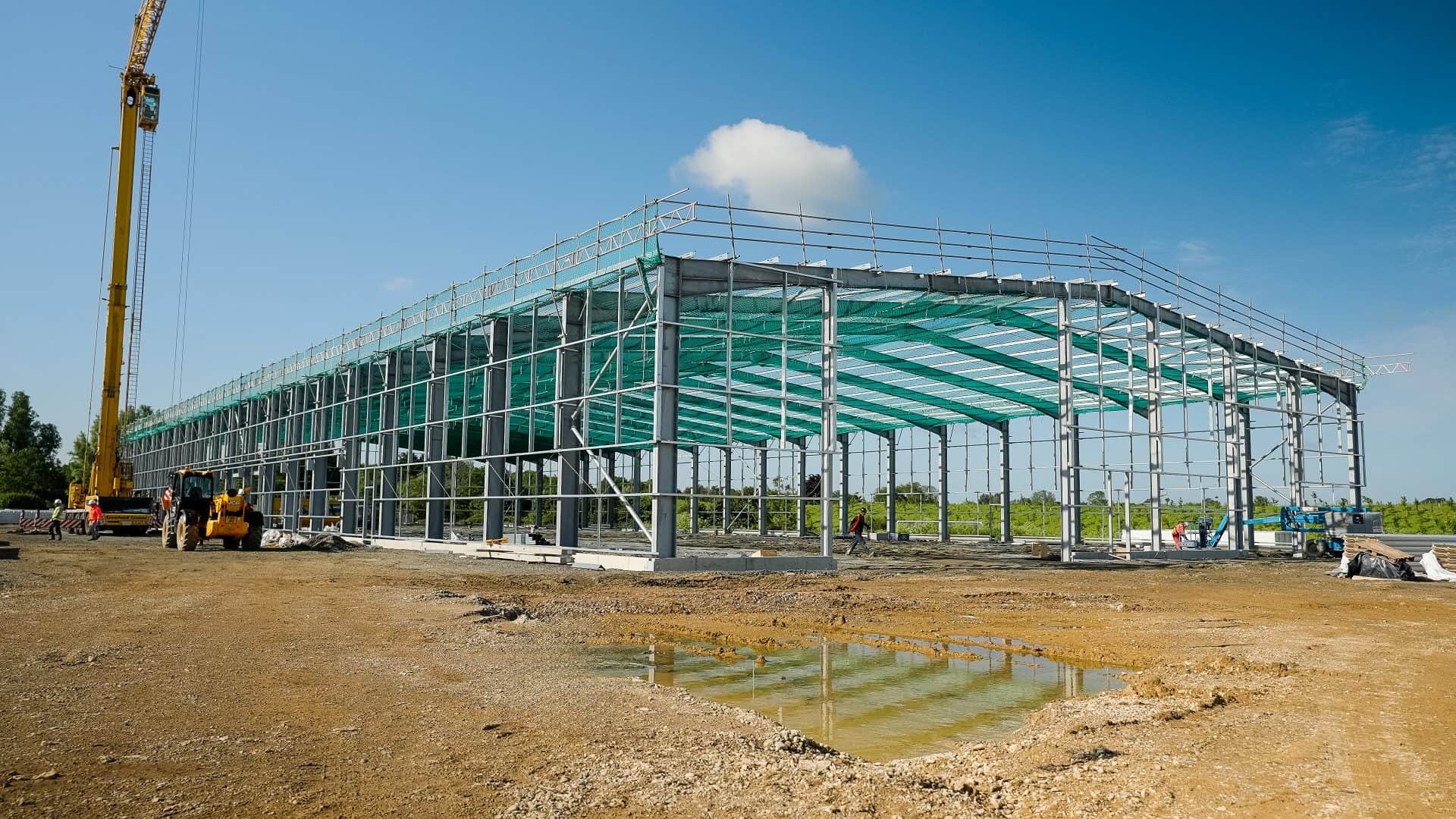
This is the gap that fall protection systems fill. Safety nets, fitted beneath the working area, catch operatives in the moment of a fall and arrest the consequences. Fall-arrest harness systems, fitted to suitable anchorage points, restrain individuals before fall energy develops. Vertical protection nets, fitted to the face of the scaffold or building, catch falling tools and materials before they reach people or property below. Each system addresses a different element of the residual risk that exists even with compliant scaffold in place.
What matters in practice is that these systems are designed together with the scaffold, not retrofitted afterwards. Net installation requires clearances beneath the catch zone that have to be present in the scaffold geometry from the outset. Anchorage points for fall arrest systems have to be specified in the scaffold design, not improvised on the day. Vertical nets need fixing positions on the scaffold that are agreed before the scaffold is loaded.
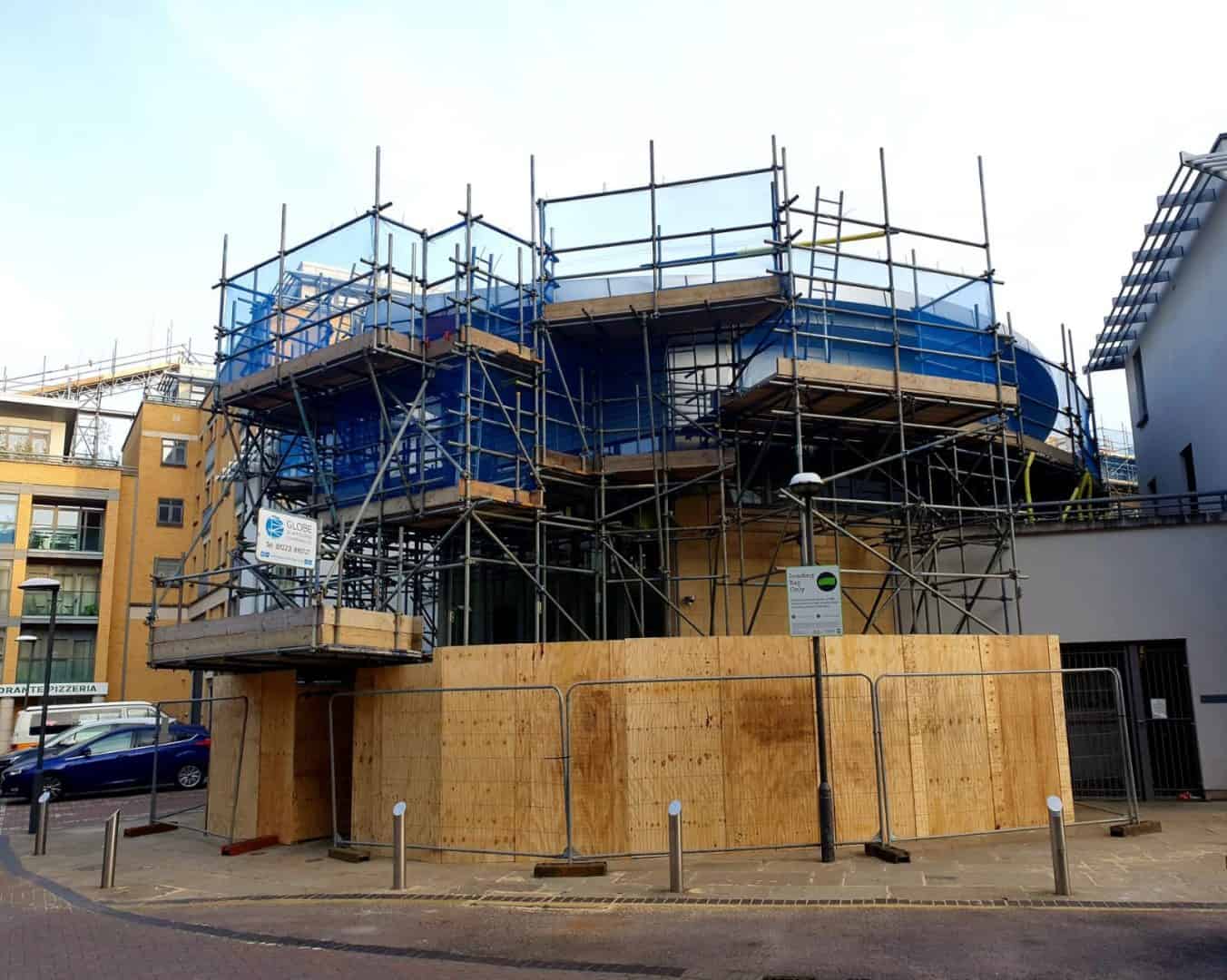
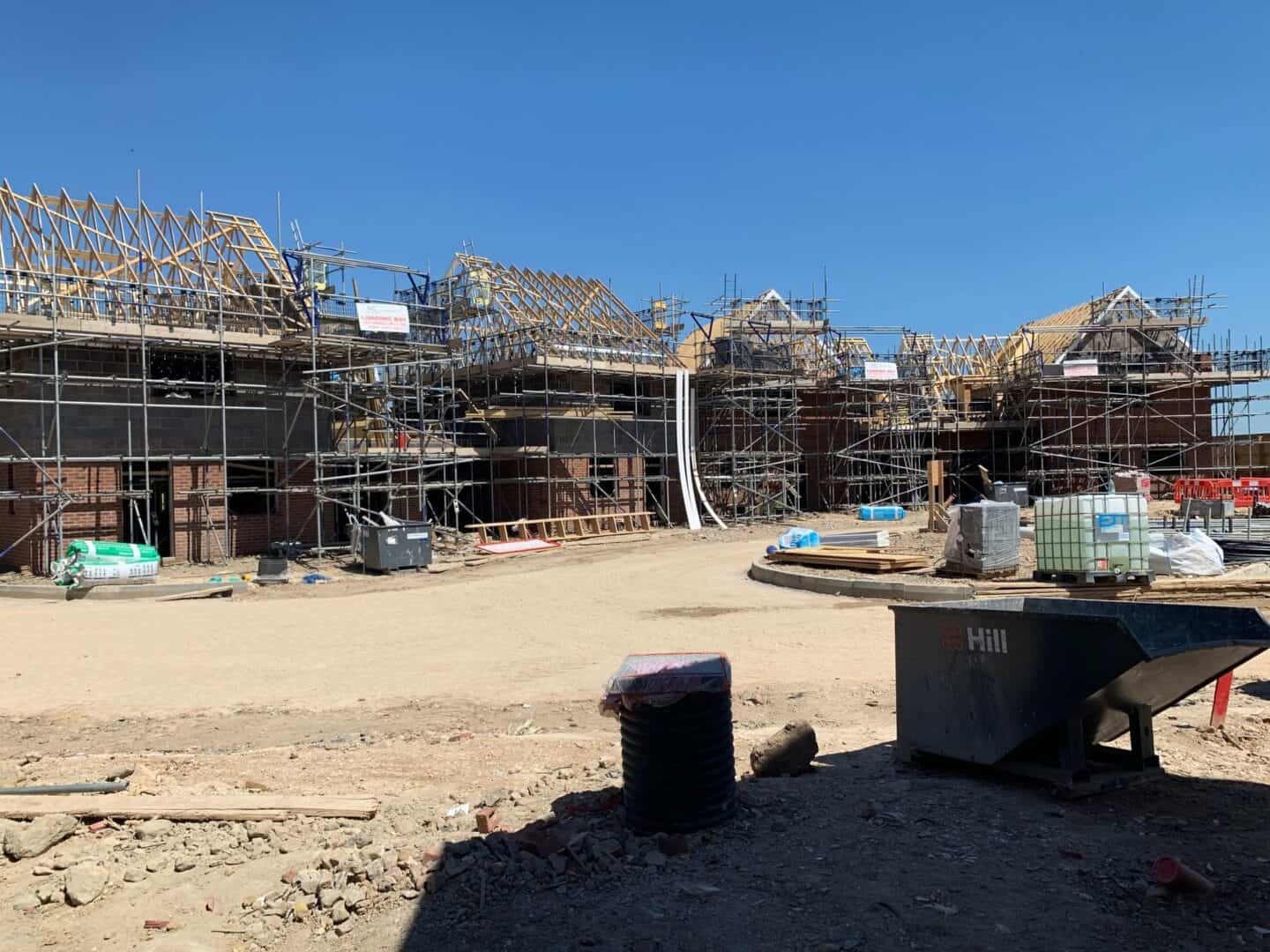
Globe Cambridge designs scaffold with this integration as standard. Where the scheme will need safety netting beneath roofing operations, the scaffold geometry is set so that net installation can proceed without modification once roof work approaches. Where harness anchorage points are needed for specific tasks, they are designed into the scaffold drawing. Where vertical netting is required, the fixing arrangement is planned at design stage.
This integration is the practical reason the same group delivers both scaffold and fall protection across many of the schemes Globe Cambridge supports. Red Safety Netting, within the same group, installs the catch and vertical netting to a programme that does not require renegotiation with the scaffolder. The two trades are working from the same drawing and the same sequencing logic. The principal contractor is not asked to mediate.
For developers and principal contractors, the implication is clear. Fall protection should not be the trade that arrives last to the conversation. The cheapest moment to design it in is at scaffold design stage. The most expensive moment is when roof work is about to start and the geometry of the scaffold has not allowed for it. The cost of the second case is borne by the programme as well as by the safety case.
There is also a documentation benefit to integrated provision. The scaffold inspection record and the fall protection install record reference the same plot numbers, the same dates and the same operatives. The CDM file shows a coherent fall protection strategy rather than a scaffold record next to an unrelated netting record.
For schemes where fall protection is a contractual requirement, which is now most multi-storey housing schemes, integrated provision is the lowest-friction way to discharge the duty. The combined Globe Cambridge and Red Safety Netting offer is designed to be deployed that way as standard, not as a procurement choice the developer has to assemble.
Talk to Globe Cambridge To discuss integrated scaffold and fall protection on your scheme on your scheme, contact Globe Cambridge on 01223 890727 or email enquiries@theglobegroup.co.uk.