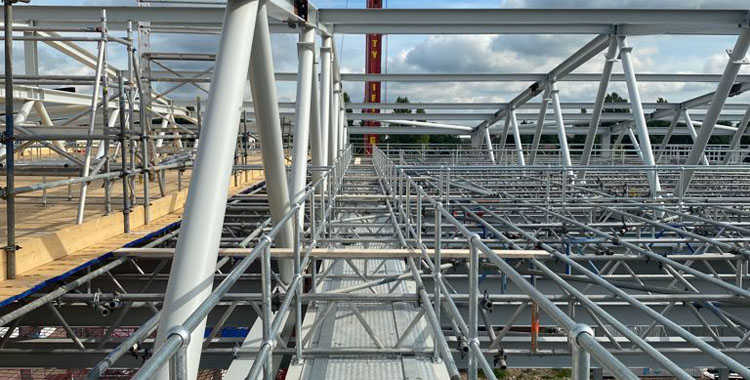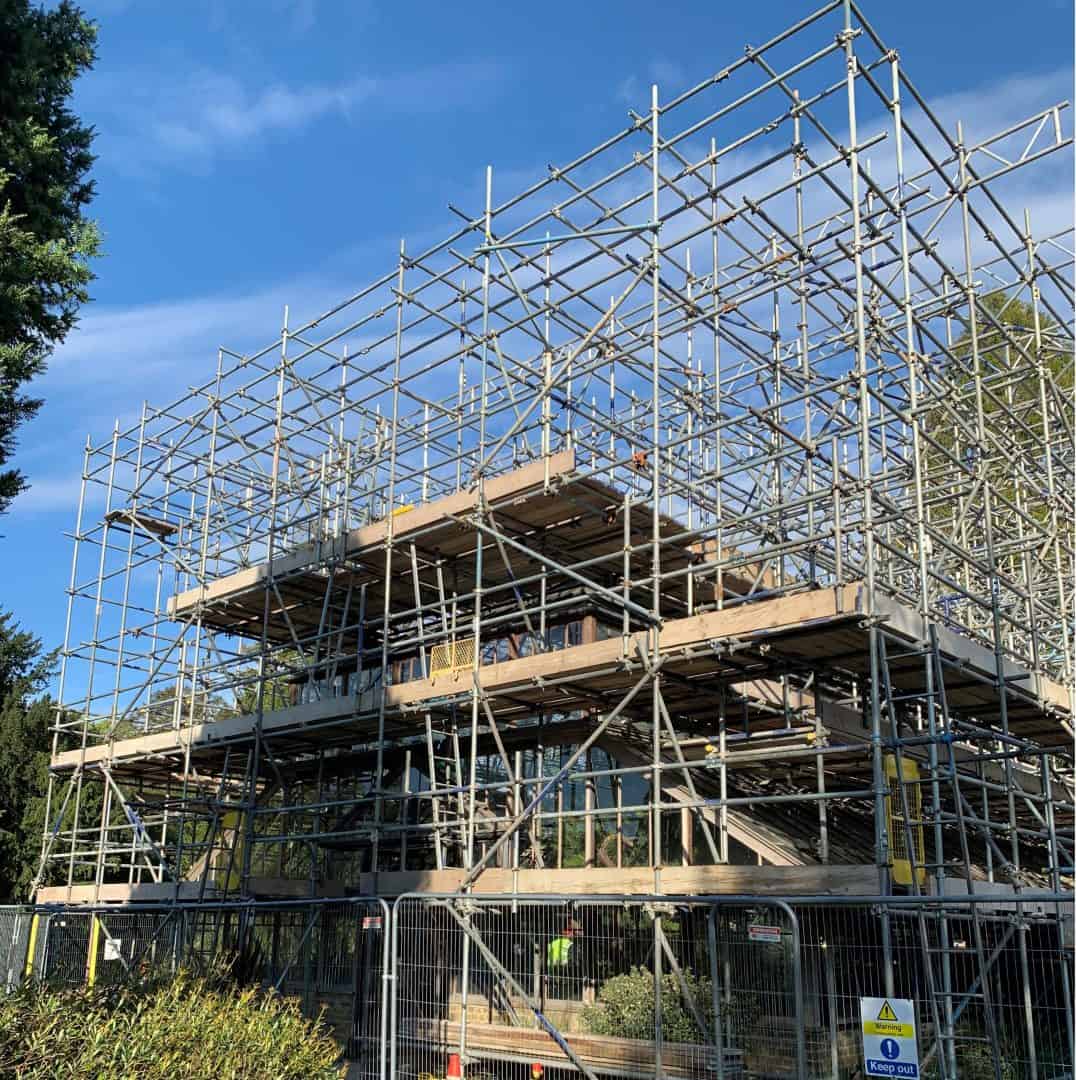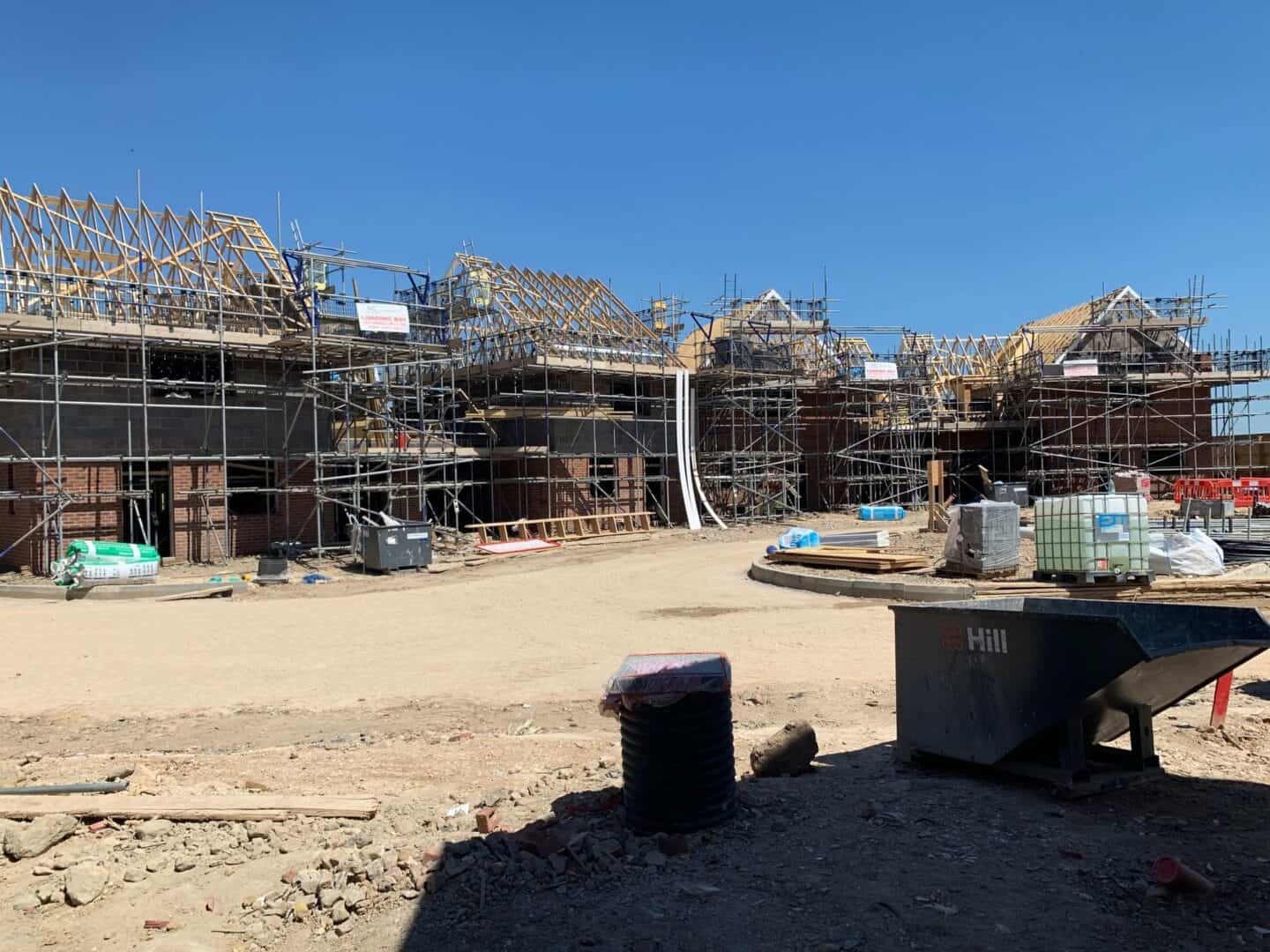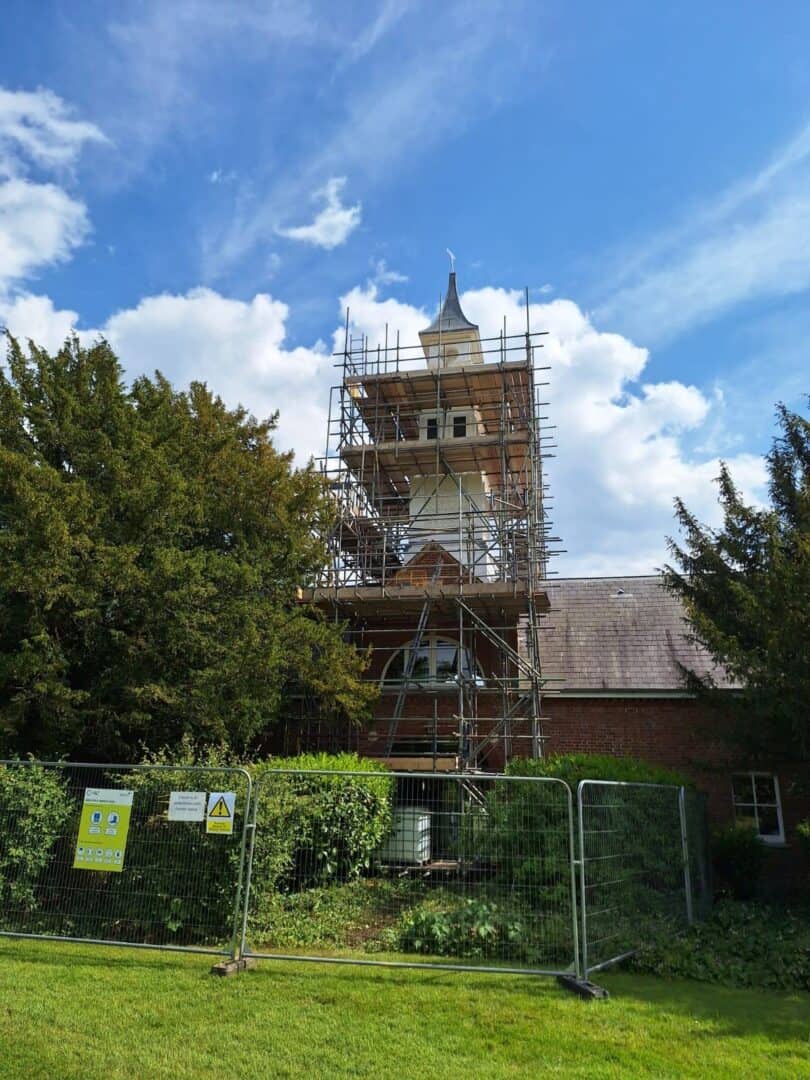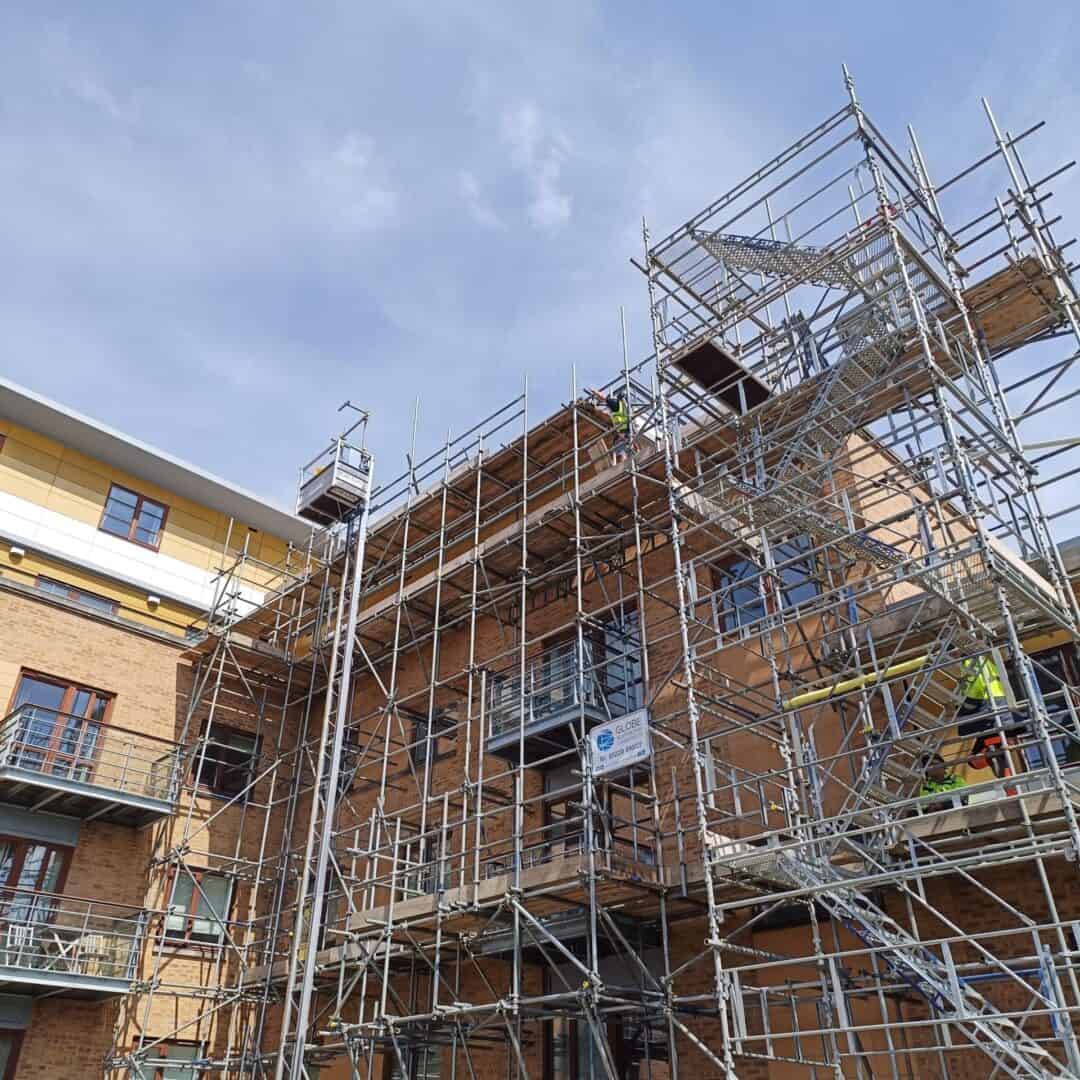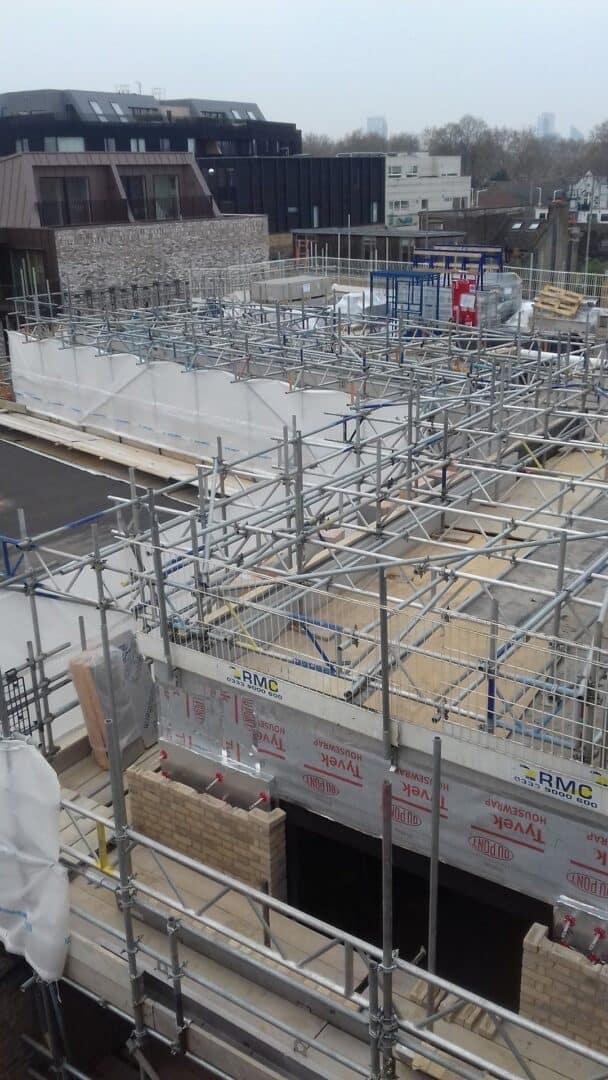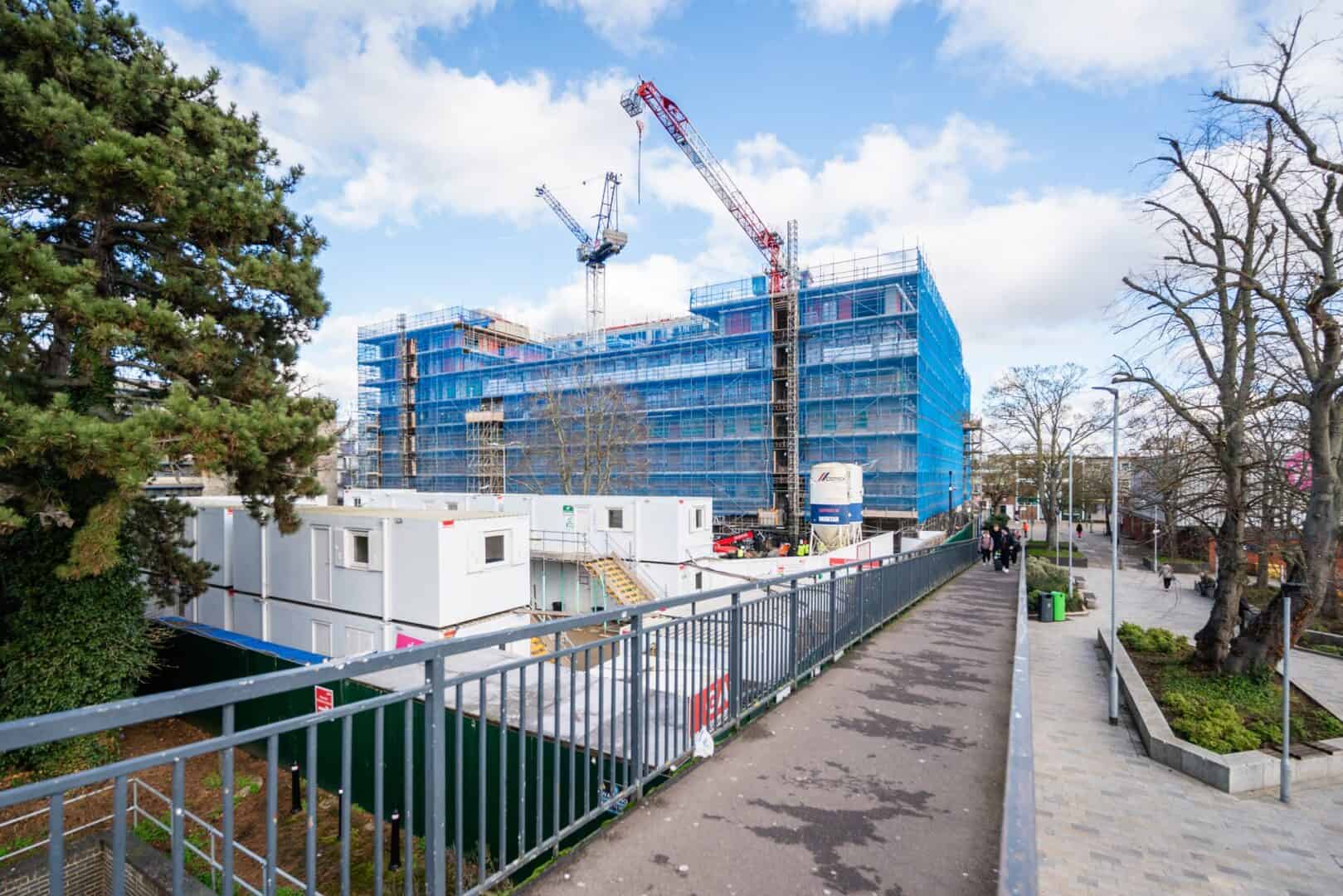
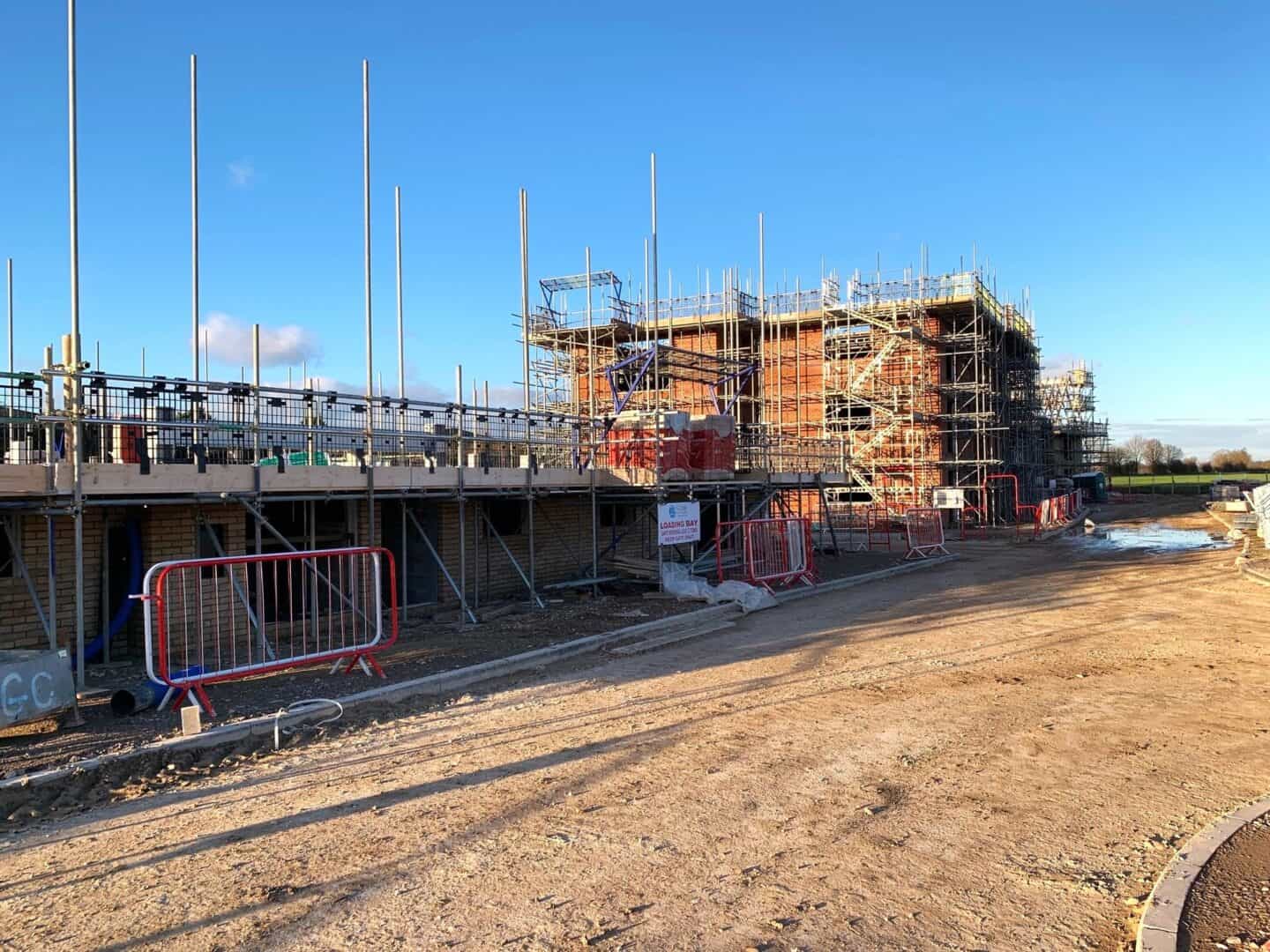
Scaffolding on a new build housing site looks routine. Plots go up, scaffold goes around them, trades work above ground level, and eventually it all comes down. The work is repetitive enough that it is easy to assume there is little to plan for. In practice, scaffold on a housing development is one of the most programme-sensitive elements of the build, and decisions made about it at the planning stage shape the productivity of every trade that works at height across the scheme.
The scale of scaffold operations on a housing development
On a housing scheme of any size, scaffold is not a single structure but a continuously evolving operation. Plots are mobilised, scaffolded, used, modified through the build sequence, and then dismantled to free up the area for the next stage. Across a development of, say, two hundred plots over an eighteen-month programme, this represents hundreds of individual scaffold erections, scores of modifications, and a continuous cycle of statutory inspection. Managed well, this is a steady operational rhythm. Managed badly, it is a constant source of programme disruption.
Globe Cambridge has been delivering scaffold to new build housing developments for over thirty years across Cambridgeshire and the Southeast, including notable projects at Eddington Development, Downing College, and Botanical Gardens. The operating pattern that makes these developments run smoothly is consistent: plan early, design for the actual trades using the scaffold, and resource for the rate at which plots are being released, not the average across the scheme.
Design for the trades, not just for access
The most common failure on housing schemes is scaffold designed for generic access being used for trades that need something specific. Roofing operations need tile loading platforms, edge protection configured for the roof slope, and access provision for ridge and verge work. Bricklaying needs material loading platforms and gable end access. M&E first fix needs platform heights aligned to the work locations. Each trade has different requirements, and a scaffold that is generic across all of them is suboptimal for each one individually.
On schemes where Globe Cambridge and Globe Roofing are both engaged, the scaffold design is built around the actual roofing methodology. Tile loading is sized correctly. Edge protection accommodates ridge and verge access. Ventilation detailing is allowed for. The trades using the scaffold can work productively because the scaffold was designed for them, not adapted to them.
Phasing and the rate of plot release
Housing developments release plots at a rate determined by the developer’s commercial programme, not by the scaffolder’s resourcing convenience. Scaffold mobilisation has to track this release rate. A scheme releasing five plots a week needs scaffold capacity that can keep up, and scaffold design that allows efficient erection across multiple plot types as they come available.
This is partly a resourcing question and partly a design standardisation question. On a development where plot types repeat across the scheme — typically the case on volume housebuilder schemes for clients including Taylor Wimpey, Vistry, Stonemond, Morgan Sindall, and TCL — scaffold designs can be standardised by plot type. The same plot type gets the same scaffold configuration every time it is built, which makes erection faster, modification predictable, and inspection consistent.
Statutory inspection across an active scheme
Scaffolds are subject to statutory inspection at intervals not exceeding seven days, after any modification, and after any event that could have affected stability. On a housing scheme with dozens of active scaffolds at any one time, this represents a continuous inspection workload. The inspection regime needs to be planned, resourced, and documented, with records produced consistently and held centrally.
Globe Cambridge operates inspection cycles aligned to NASC and CISRS standards, with documented inspection records produced for every scaffold on every cycle. Under the Globe Group’s ISO 9001 quality management framework, these records are produced in a consistent format and retained as part of the scheme’s quality documentation. For principal contractors, this provides direct evidence that statutory inspection obligations are being discharged.
Adverse weather and modification response
Real housing programmes are affected by weather, design changes, and trade-driven modification requests. A scaffolding contractor responsive to these realities keeps the programme moving. A contractor that treats modifications as a contractual event rather than an operational requirement holds the programme up.
Globe Cambridge’s modification and adverse weather response is built around direct site presence and competent CISRS-carded scaffolders available to attend to changes as they arise. Modifications are designed, executed, and re-inspected within timescales that align with the build programme rather than against it.
Decommissioning and handover
The end of a plot’s scaffold life is not just a matter of taking the scaffold down. Decommissioning involves coordinated removal that does not damage finished work, scheduling against the trades that are still active around the plot, and handover documentation that closes out the scaffold’s lifecycle on that plot. Treated as a planning item from the outset, it runs smoothly. Treated as an afterthought, it slows down plot completion.
Talk to Globe Cambridge about your housing scheme
To discuss scaffold provision for your new build development, contact Globe Cambridge on 01223 890727 or email enquiries@theglobegroup.co.uk.