Method statements and risk assessments are among the most routinely produced documents in construction — and among the most routinely undervalued. On a busy residential development, the volume of method statements and risk assessments produced across all trades can run to hundreds of documents. When that volume becomes routine, the temptation is to treat these documents as a compliance exercise — produced to satisfy a pre-qualification requirement, filed, and forgotten.
That approach misses the point of what method statements and risk assessments are for. Done properly, they’re the documents that protect the principal contractor, protect the subcontractor, protect the workforce, and provide the evidence of due diligence that becomes critical if something goes wrong. Done poorly, they provide none of those protections and create a false sense of security that can actively increase risk.
For principal contractors and developers, understanding what good method statements and risk assessments look like — and what questions to ask when reviewing them — is an important part of managing the safety and programme risks that specialist subcontractors bring onto their sites.
What a Method Statement Should Actually Contain
A method statement describes how a specific piece of work will be carried out — the sequence of operations, the plant and equipment to be used, the personnel involved, and the controls that will be applied to manage the risks associated with the work. Its value is in the specificity with which it describes the actual work on the actual site, not in its length or its generic completeness.
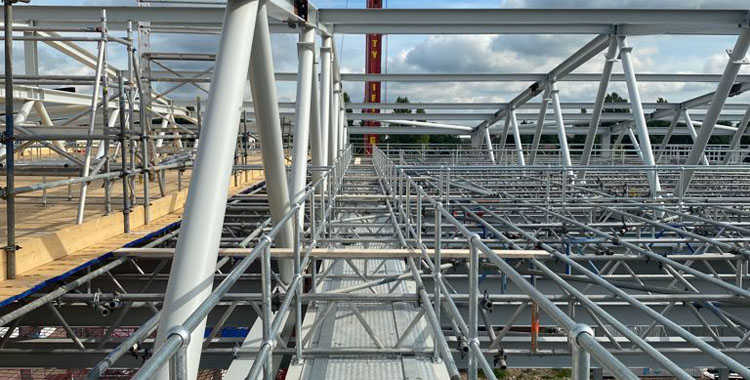
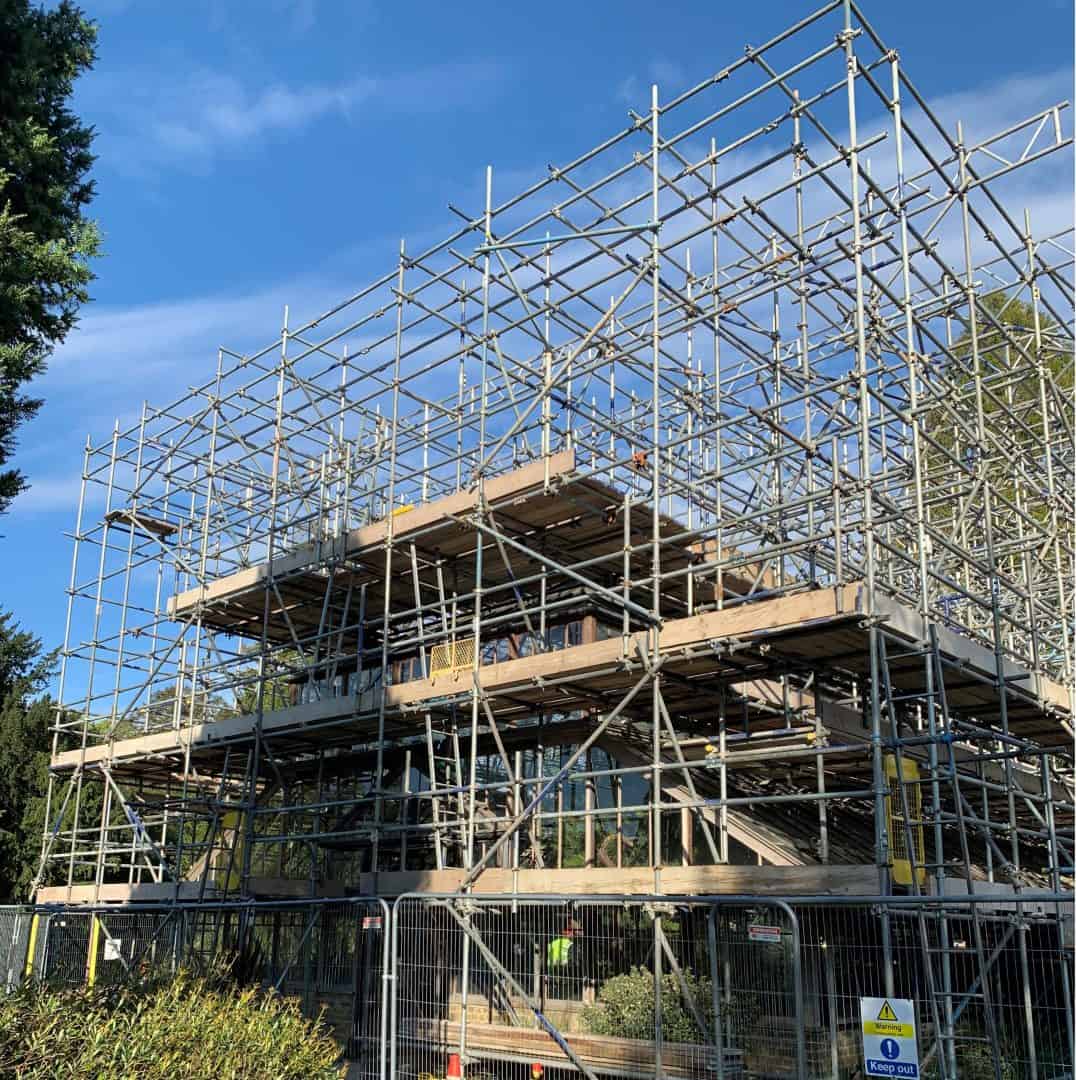
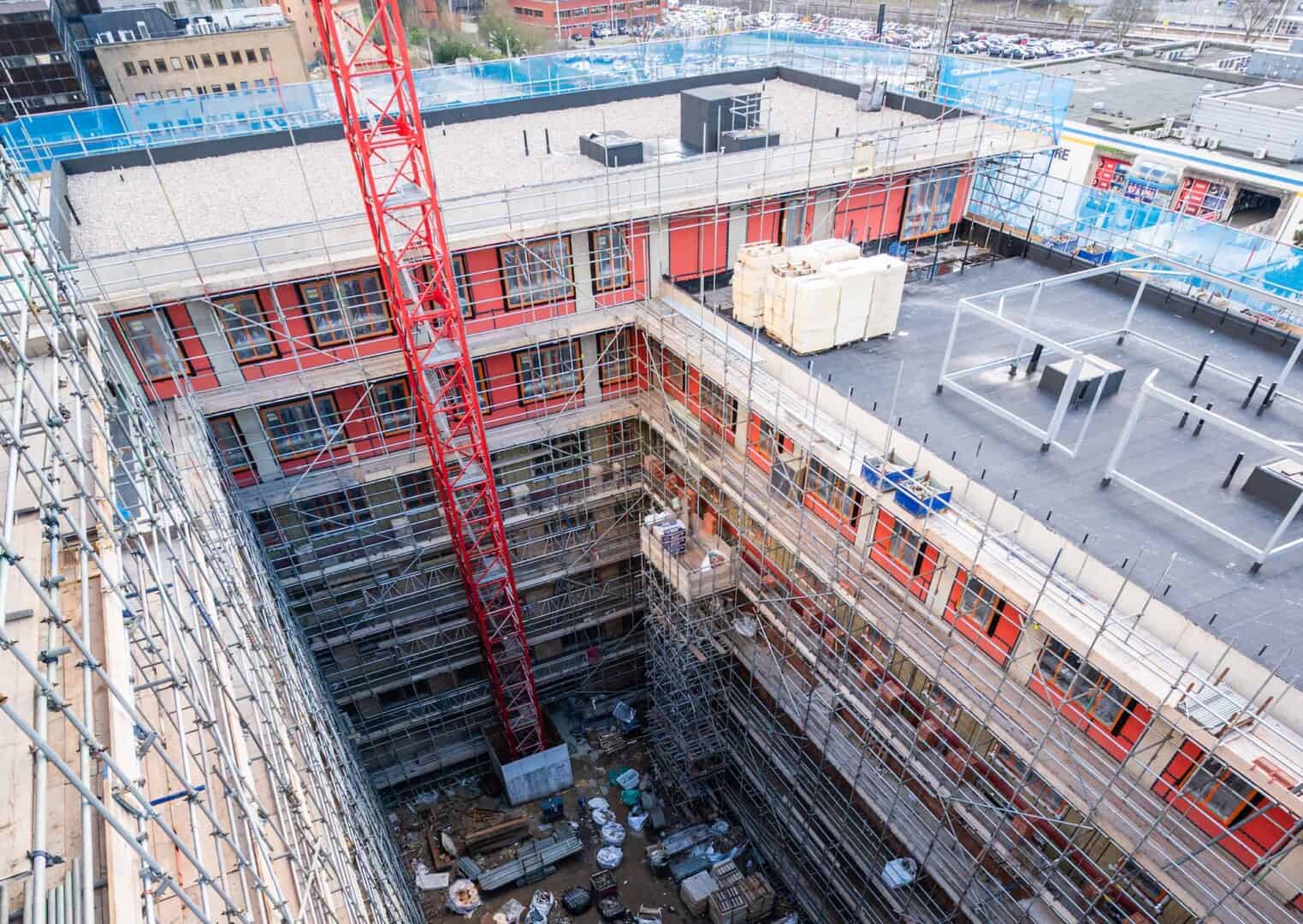
A method statement for scaffold erection on a new build residential development should describe how that scaffold will be erected on that site — the sequence in which lifts will be added, how ties will be installed as the scaffold rises, how materials will be distributed on the platforms, and how the scaffold will be managed during adverse weather. It should not be a generic document describing scaffold erection in principle, with the site name and project reference inserted at the top.
Globe Cambridge produces method statements that are specific to the project and the site — reviewed and updated for each new development rather than reproduced from a template without adjustment. Where the site conditions, the building design, or the programme requirements are unusual, those specifics are reflected in the method statement. The document describes what will actually happen, not what generically happens on scaffold projects.
The Risk Assessment and Its Relationship to the Method Statement
A risk assessment identifies the hazards associated with the work described in the method statement, assesses the likelihood and consequence of harm from each hazard, and specifies the controls that will be applied to reduce that risk to an acceptable level. The risk assessment and the method statement should be read together — the controls in the risk assessment should be reflected in the working method described in the method statement.
For scaffold work, the key hazards are well understood — falls from height, falling materials, scaffold collapse, and the risks associated with manual handling of scaffold components. But the specific controls that apply to each hazard depend on the site conditions, the scaffold configuration, and the working practices of the gang. A generic risk assessment that lists the standard scaffold hazards without specifying the controls that apply to this project on this site provides limited practical protection.
Globe Cambridge’s risk assessments are reviewed against the specific conditions of each project — considering the site layout, the access arrangements, the proximity of the public and other trades, and any site-specific hazards that aren’t present on a standard residential site. Where site conditions change during the project — new trades arriving, adjacent works creating additional hazards, weather events affecting the site — the risk assessment is reviewed and updated accordingly.
Protection for the Principal Contractor
Under CDM 2015, the principal contractor is required to ensure that the work of every subcontractor on site is planned, managed, and monitored so that it’s carried out without risk to health and safety. Method statements and risk assessments from subcontractors are part of the evidence that the principal contractor uses to discharge that obligation — they demonstrate that the subcontractor has considered the hazards of their work and has specified the controls that will be applied.
A principal contractor who accepts a generic or inadequate method statement from a subcontractor, and something subsequently goes wrong, is in a weak position — because the documentation they relied on to satisfy themselves that the work would be carried out safely didn’t actually provide that assurance. The quality of the method statements and risk assessments produced by subcontractors is therefore a direct reflection of the principal contractor’s CDM compliance position.
Globe Cambridge’s method statements and risk assessments are produced to provide genuine protection to the principal contractor — specific, site-relevant documents that demonstrate real consideration of the hazards of the work and real specification of the controls that will be applied. They’re available as part of the pre-start pack for every project, in the format the principal contractor requires.
Toolbox Talks and Workforce Engagement
The value of a method statement is ultimately determined by whether the people doing the work understand it and follow it. A detailed, site-specific method statement that the workforce hasn’t read and doesn’t understand provides less protection than a simpler document that the gang has genuinely engaged with.
Globe Cambridge delivers toolbox talks at the start of each project — and when site conditions change or new hazards are introduced — to ensure that the scaffold gang understands the specific requirements of the method statement for that project. Those toolbox talks are recorded, giving the principal contractor evidence that the workforce has been briefed on the safe working method, not just that the document exists in the site file.
To discuss method statements, risk assessments, and scaffold planning for your next project, contact Globe Cambridge today.