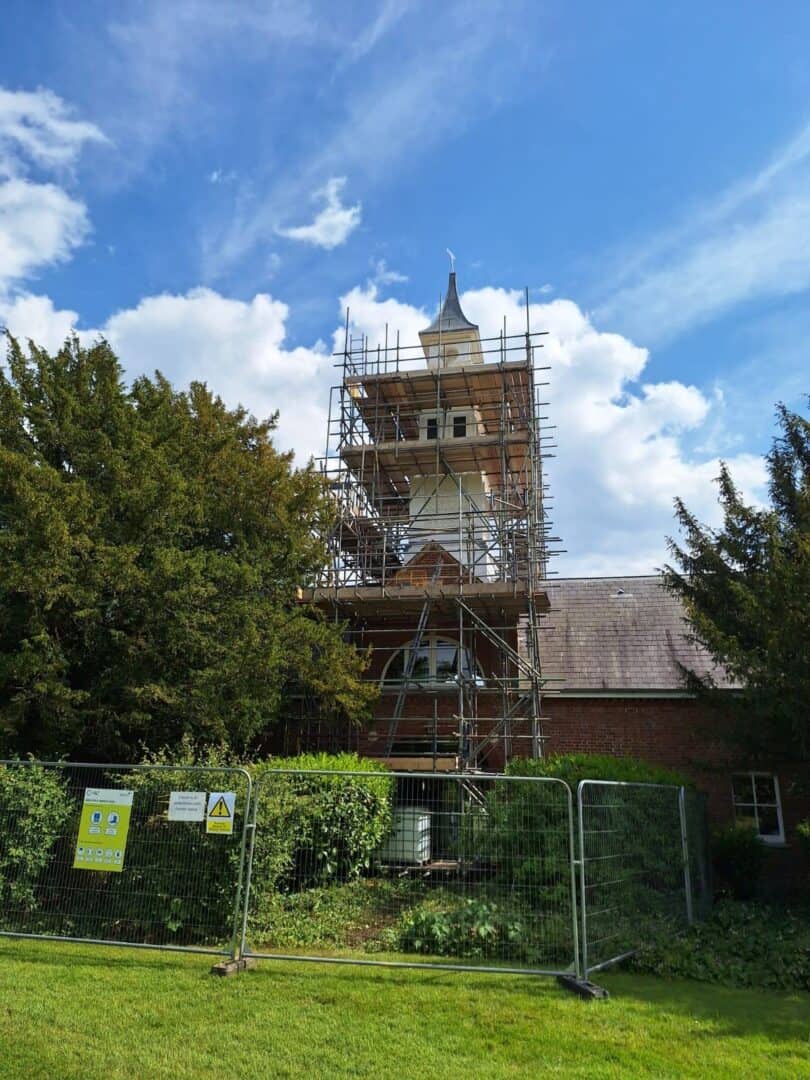

System scaffolding and traditional tube and fitting scaffolding are both widely used on UK construction sites, and both are capable of providing safe, compliant access structures when designed and erected correctly. The question of which is more appropriate for a specific project isn’t answered by a general preference for one or the other — it’s answered by the specific requirements of the project: the building form, the programme, the loading requirements, and the site conditions.
For developers and principal contractors, understanding the practical differences between the two approaches — and the circumstances in which each performs best — is useful context for conversations with scaffolding contractors about the right solution for their project.
What Traditional Tube and Fitting Scaffold Offers
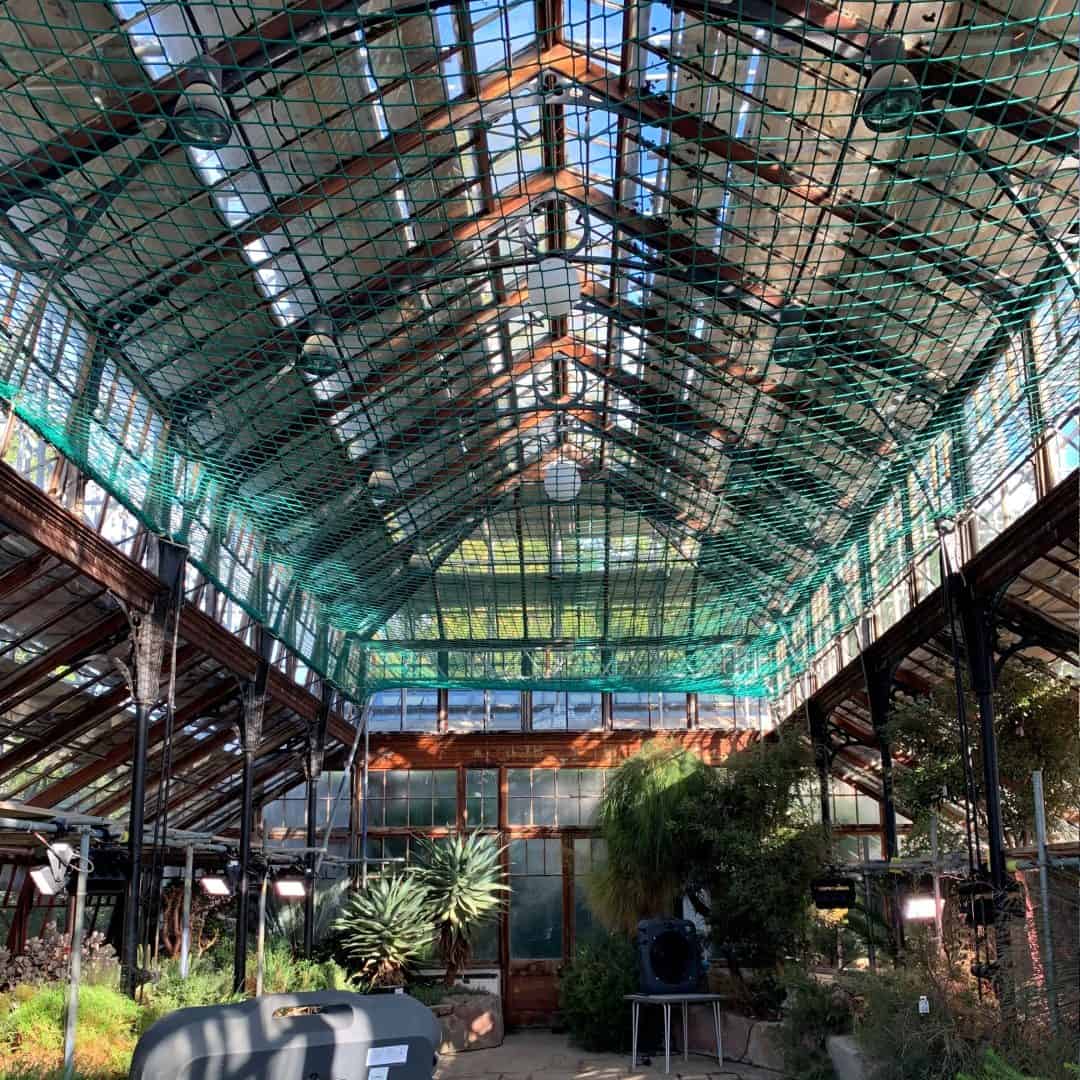
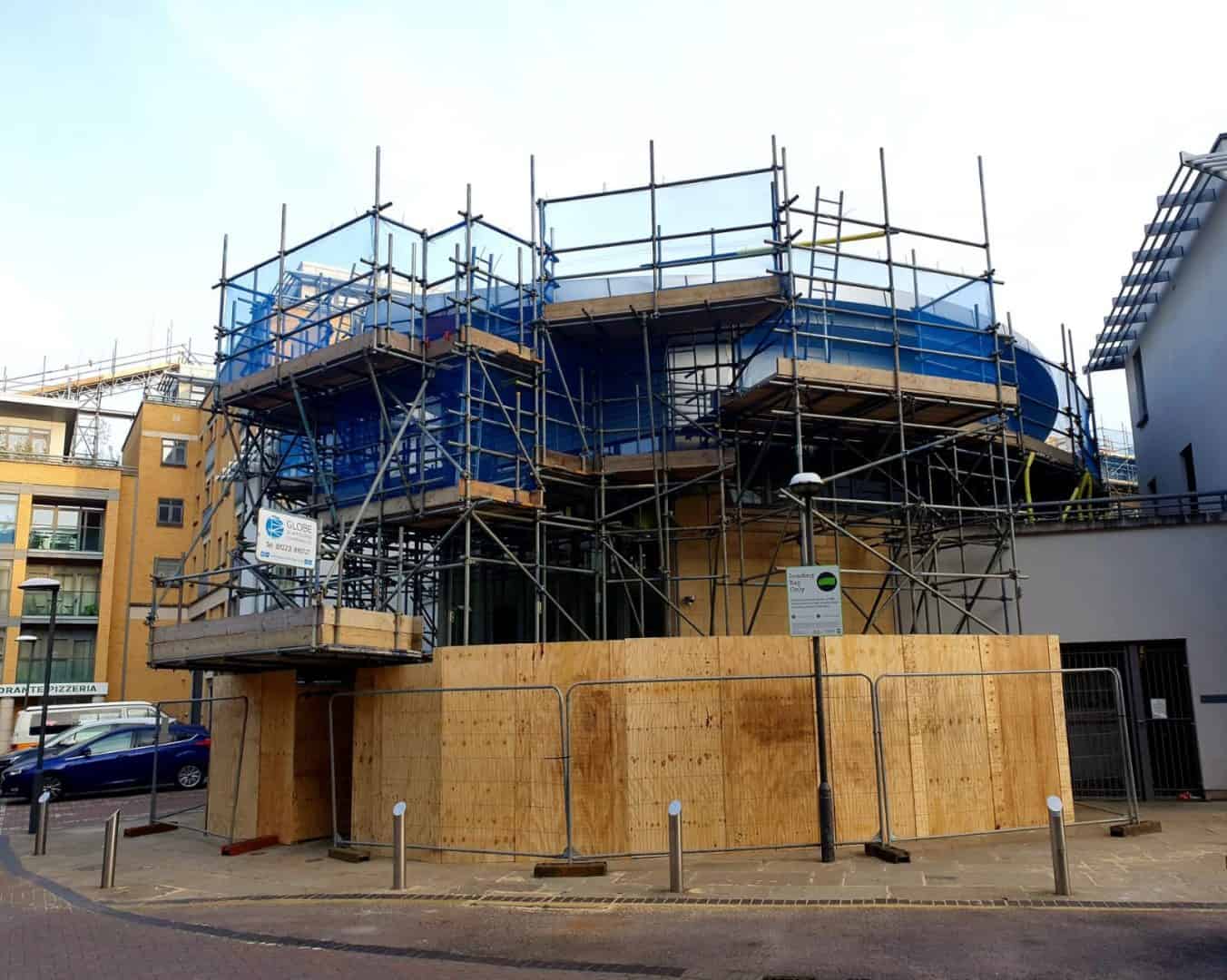
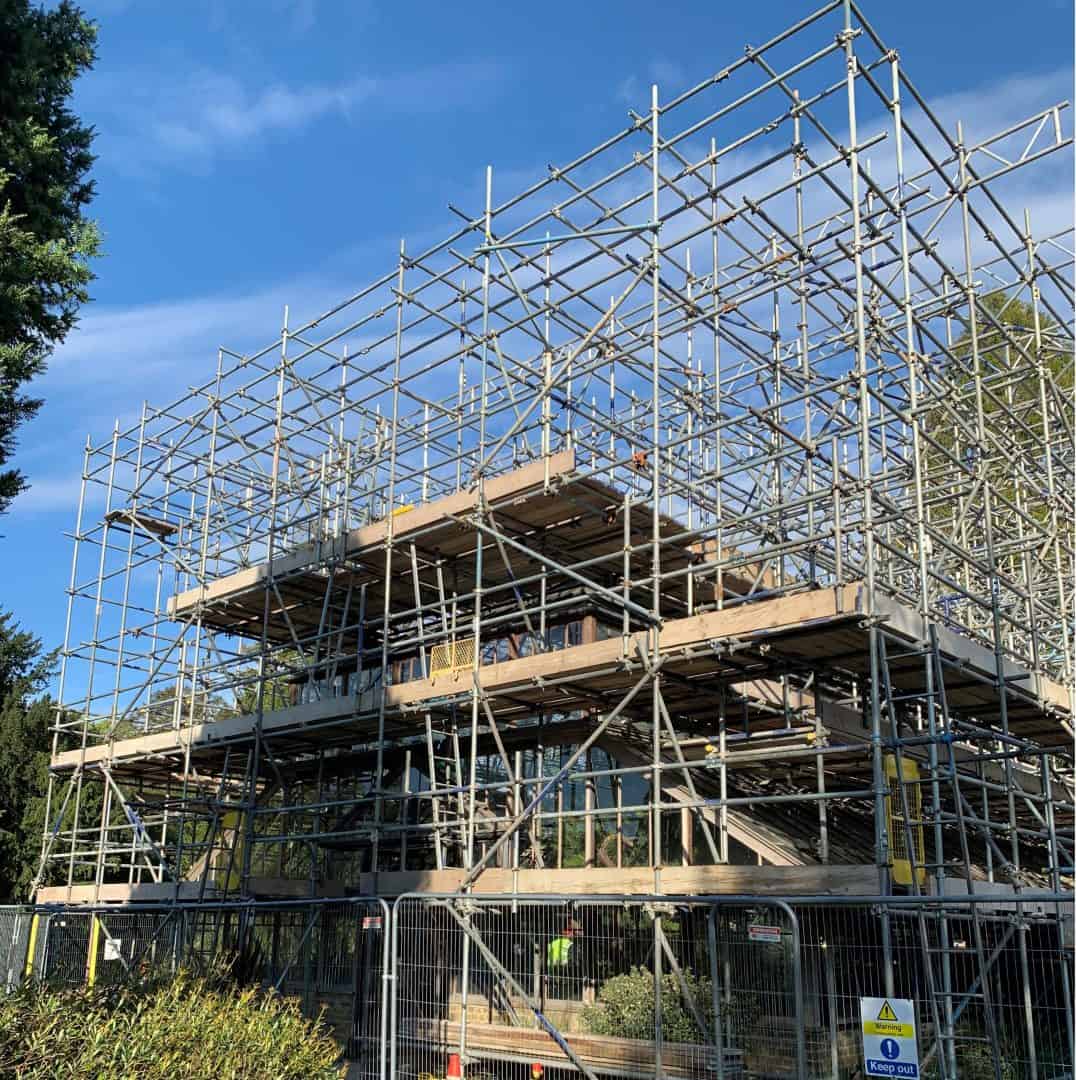
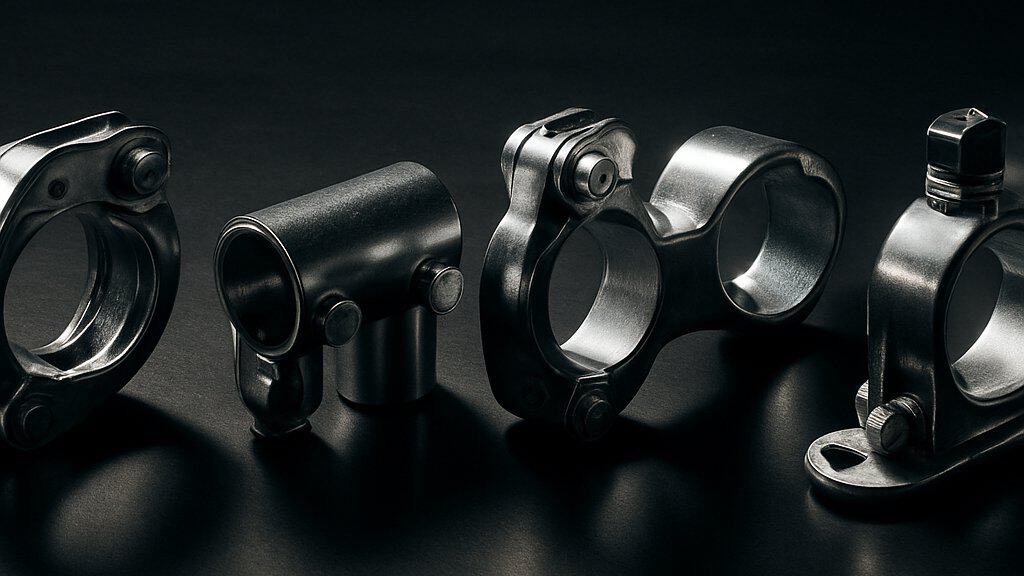
Traditional tube and fitting scaffold — steel or aluminium tubes connected by pressed steel couplers — has been the dominant scaffolding method in the UK for decades, and for good reason. Its primary advantage is flexibility. Tubes can be cut to any length and connected at any angle, which means traditional scaffold can be configured to suit almost any building form, however irregular or complex. Where a building has features that prevent a standard scaffold configuration — projections, recesses, unusual roof profiles, or restricted tie opportunities — traditional scaffold can be adapted to suit in a way that system scaffold cannot always match.
That flexibility makes traditional scaffold the preferred choice for complex or irregular structures, heritage buildings where tie opportunities are limited, and projects where the scaffold configuration needs to be significantly adapted as the programme progresses. It also makes traditional scaffold the right choice where loading requirements are high — the coupler connections in tube and fitting scaffold can be configured to achieve very high load capacities where the design requires it.
The trade-off is that traditional scaffold takes longer to erect and dismantle than system scaffold, and the quality of the finished structure depends more heavily on the skill and experience of the scaffold gang. A well-designed tube and fitting scaffold erected by an experienced CISRS-certified gang is a reliable and capable structure. The same design erected by a less experienced gang may have inconsistencies in coupler tightening, tie installation, and bracing arrangement that create risk.
What System Scaffold Offers
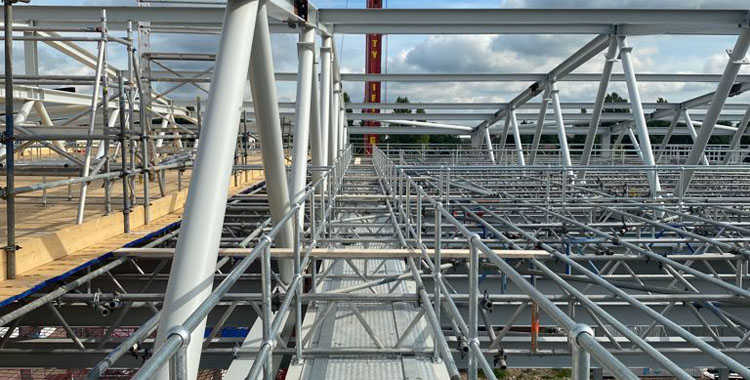
System scaffolding — proprietary systems such as Layher, HAKI, or Cuplok, where components connect through purpose-designed node points rather than individual couplers — offers different advantages. The primary one is speed. System scaffold components connect quickly and consistently, and the node-point connection system means that the scaffold goes up faster than traditional tube and fitting on straightforward structures.
The consistency of the connection system also provides a degree of quality assurance that traditional scaffold doesn’t offer in the same way — the node-point connections are either properly engaged or they’re not, in a way that’s more immediately apparent than the torque on a pressed steel coupler. For principal contractors managing large residential developments where speed of erection and consistency of standard across multiple plots matter, system scaffold has practical advantages.
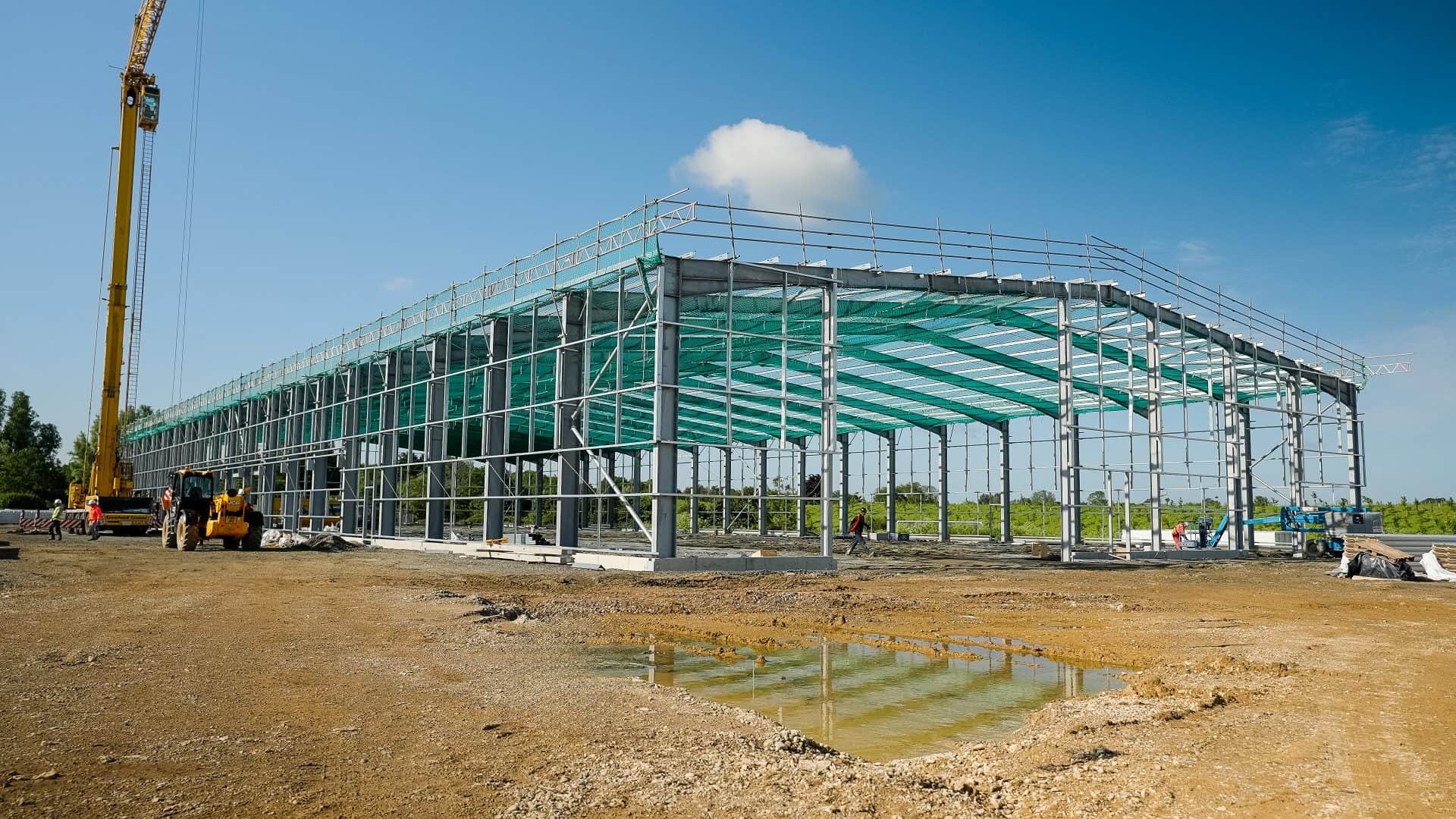
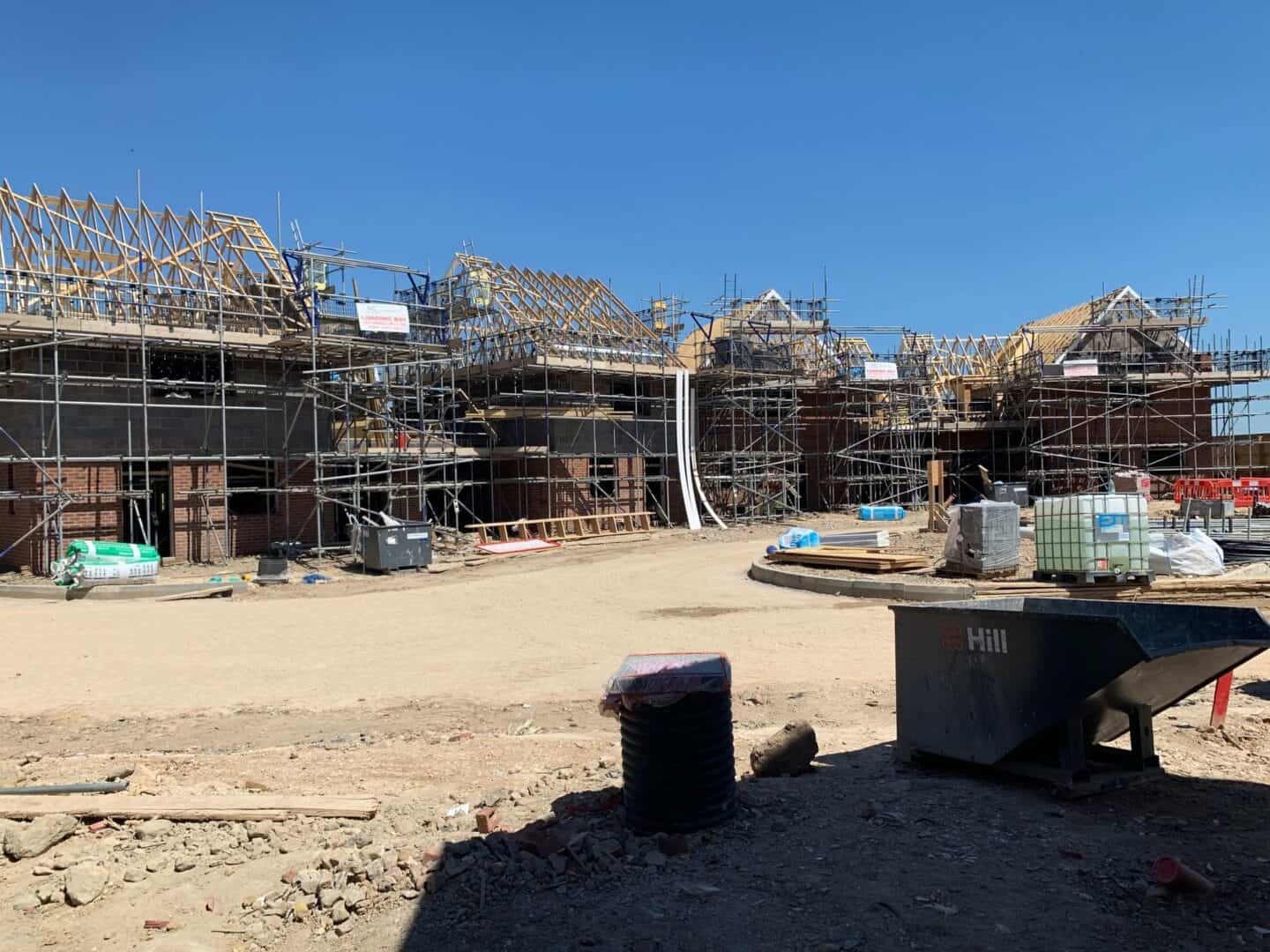
System scaffold performs best on regular, repetitive structures — the kind of standard residential house types that make up the majority of a large new build housing development. Where the building form is consistent from plot to plot, system scaffold can be erected quickly and consistently across the development without the configuration decisions that traditional scaffold requires on more complex structures.
The trade-off is reduced flexibility. System scaffold is configured around the geometry of the system’s components, and adapting that configuration to suit unusual building forms or restricted tie opportunities is less straightforward than with traditional tube and fitting.
Choosing the Right Approach for a Residential Development
On a large new build residential development with standard house types and a repetitive plot layout, system scaffold is often the most efficient choice — faster erection, consistent configuration across plots, and straightforward adaptation as the programme progresses. Where the development includes non-standard house types, complex roof profiles, or plots with features that prevent a standard configuration, traditional scaffold may be more appropriate for those specific plots.
In practice, many large residential developments use a combination of both approaches — system scaffold on the standard plots where its speed and consistency advantages are most valuable, and traditional tube and fitting on the plots where flexibility is required. Globe Cambridge works with both systems, selecting the approach that best suits the specific requirements of each project and each plot rather than defaulting to one system regardless of the circumstances.
On developments where Globe Roofing is delivering the roofing package, the scaffold specification — whether system or traditional, and the specific configuration in either case — is discussed with Globe Roofing before erection begins to ensure that the scaffold serves the roofing programme as effectively as possible. The choice between system and traditional scaffold isn’t made in isolation from the trades the scaffold needs to support.
CISRS Certification Across Both Systems
Regardless of whether system or traditional scaffold is used, the people erecting it need to be competent to do so. CISRS — the Construction Industry Scaffolders Record Scheme — provides the recognised competency framework for scaffolders in the UK, with card grades that reflect the level of work a scaffolder is competent to carry out.
Globe Cambridge’s operatives hold CISRS cards at the appropriate grade for the work they carry out — whether that’s traditional tube and fitting or system scaffold erection. That certification is verifiable through the CISRS card itself, giving the principal contractor confidence that the gang erecting the scaffold has been assessed as competent to do so, regardless of which system is being used.