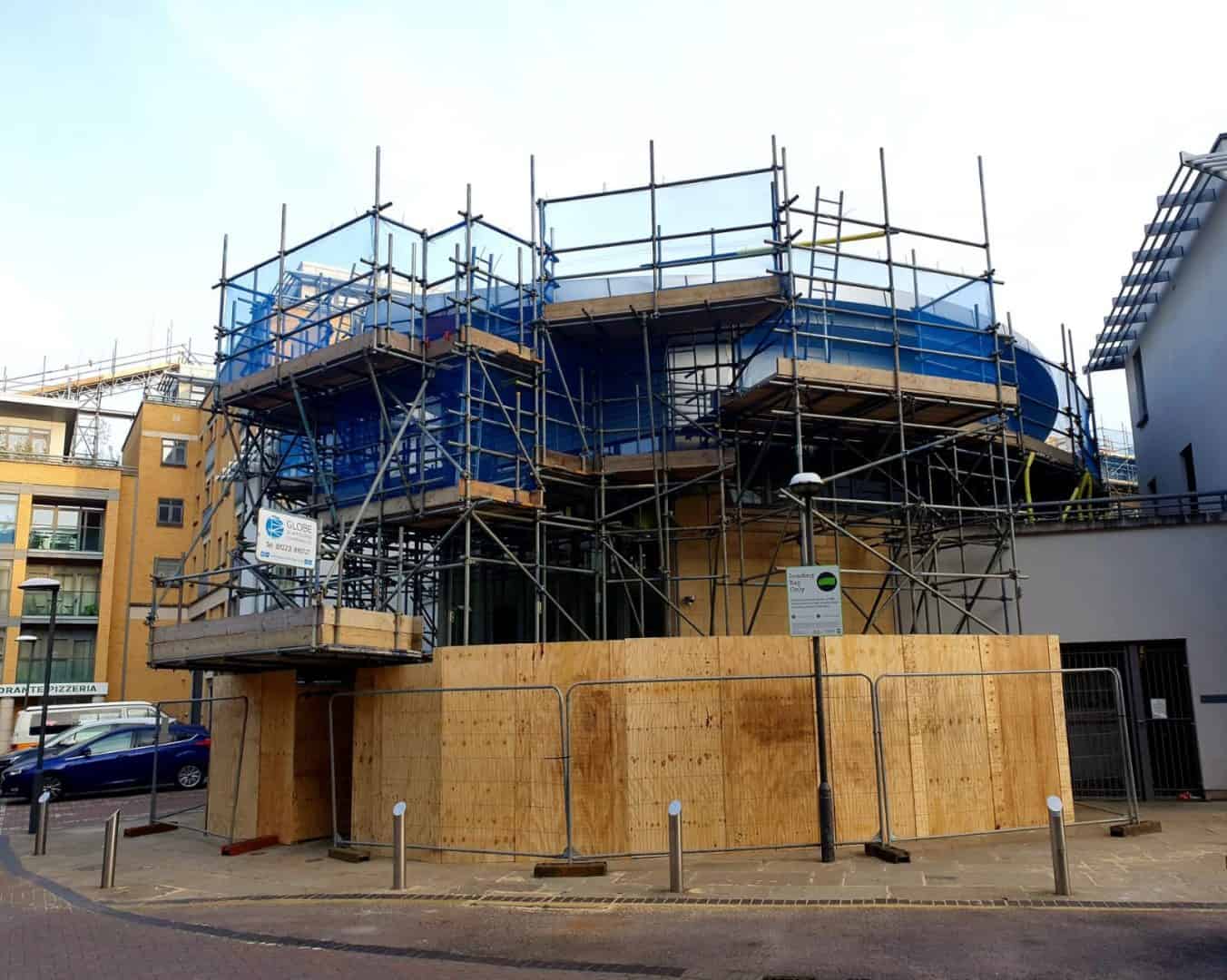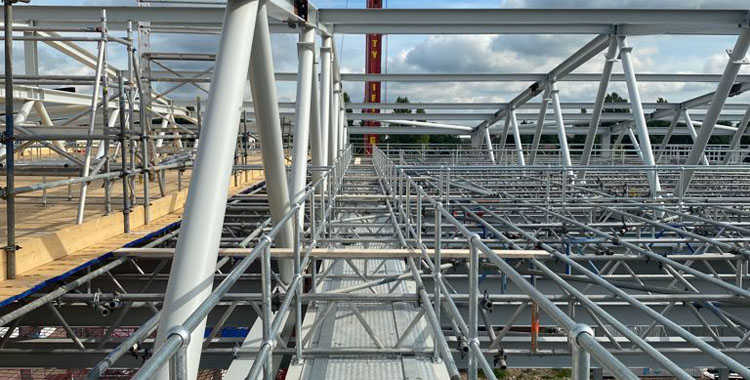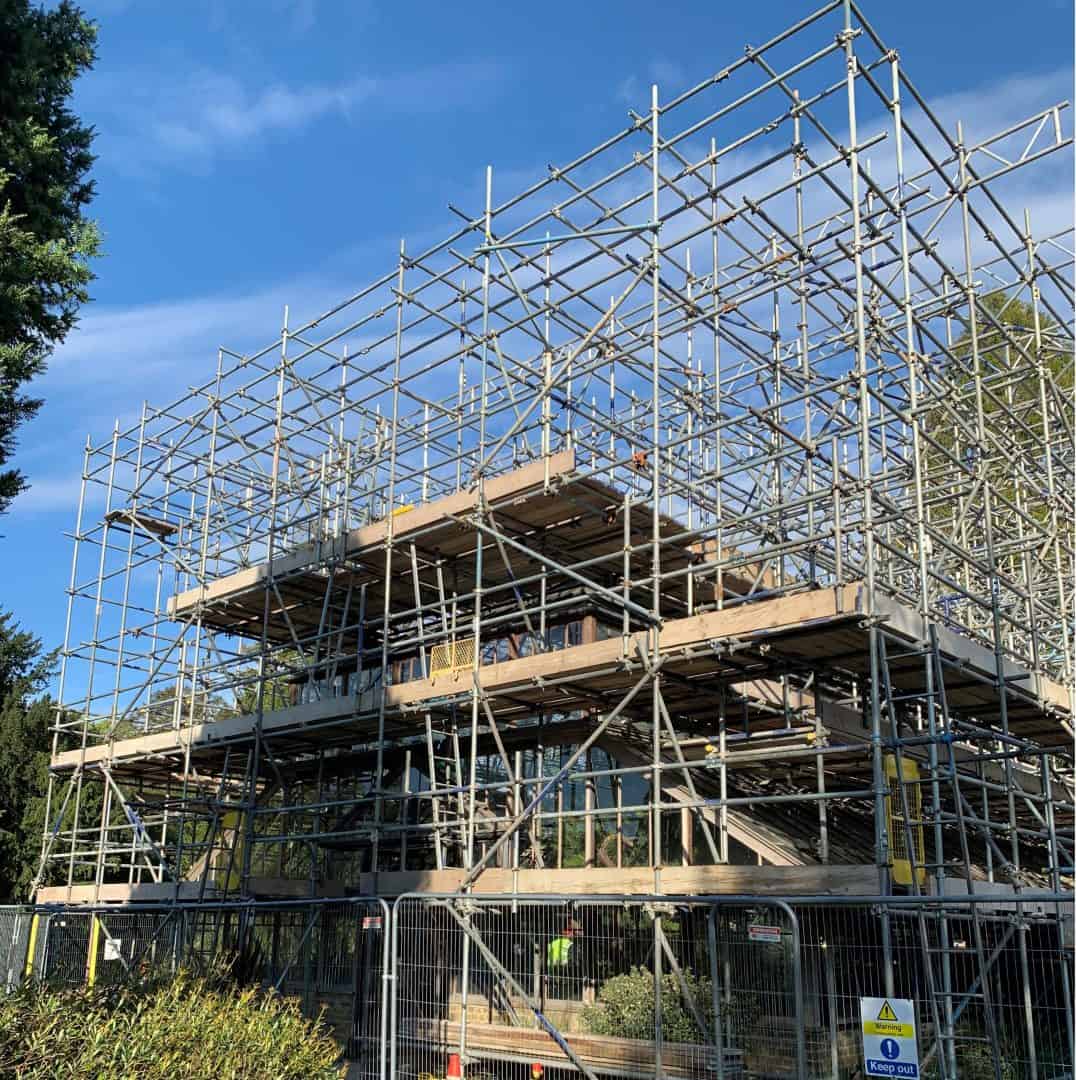

For a principal contractor running a busy construction site, the moment scaffold is handed over is the moment responsibility transfers. From that point, the scaffold needs to be safe, compliant, fit for purpose, and clearly documented — because if something goes wrong afterwards, the question of what was checked, what was signed off, and what the scaffold was designed to carry becomes very important very quickly.
At Globe Cambridge, we treat every scaffold handover as a formal process, not an informal conversation on site. Here’s what that looks like in practice and why it matters to the contractors and developers we work with.
A Signed Handover Certificate — Not Just a Conversation
Every scaffold we erect is handed over with a signed scaffold handover certificate. This document confirms that the structure has been inspected by a competent person, that it meets the design specification, and that it is safe for use. It records the date of inspection, the load class the scaffold is designed for, and any restrictions on use.
This isn’t bureaucracy — it’s protection. For the principal contractor taking control of the scaffold, a signed handover certificate is evidence that due diligence has been carried out. Without it, the transfer of responsibility is ambiguous, and ambiguity is exactly what you don’t want when working at height.
Load Limits Clearly Communicated
One of the most common causes of scaffold-related incidents on construction sites isn’t poor erection — it’s overloading by users who don’t know or don’t follow the design limits. When we hand over a scaffold, we make sure the load class is clearly marked on the structure and communicated to the site manager. Whether the scaffold is designed for light duty inspection access or heavy duty brickwork, that information needs to be understood by everyone who uses it.
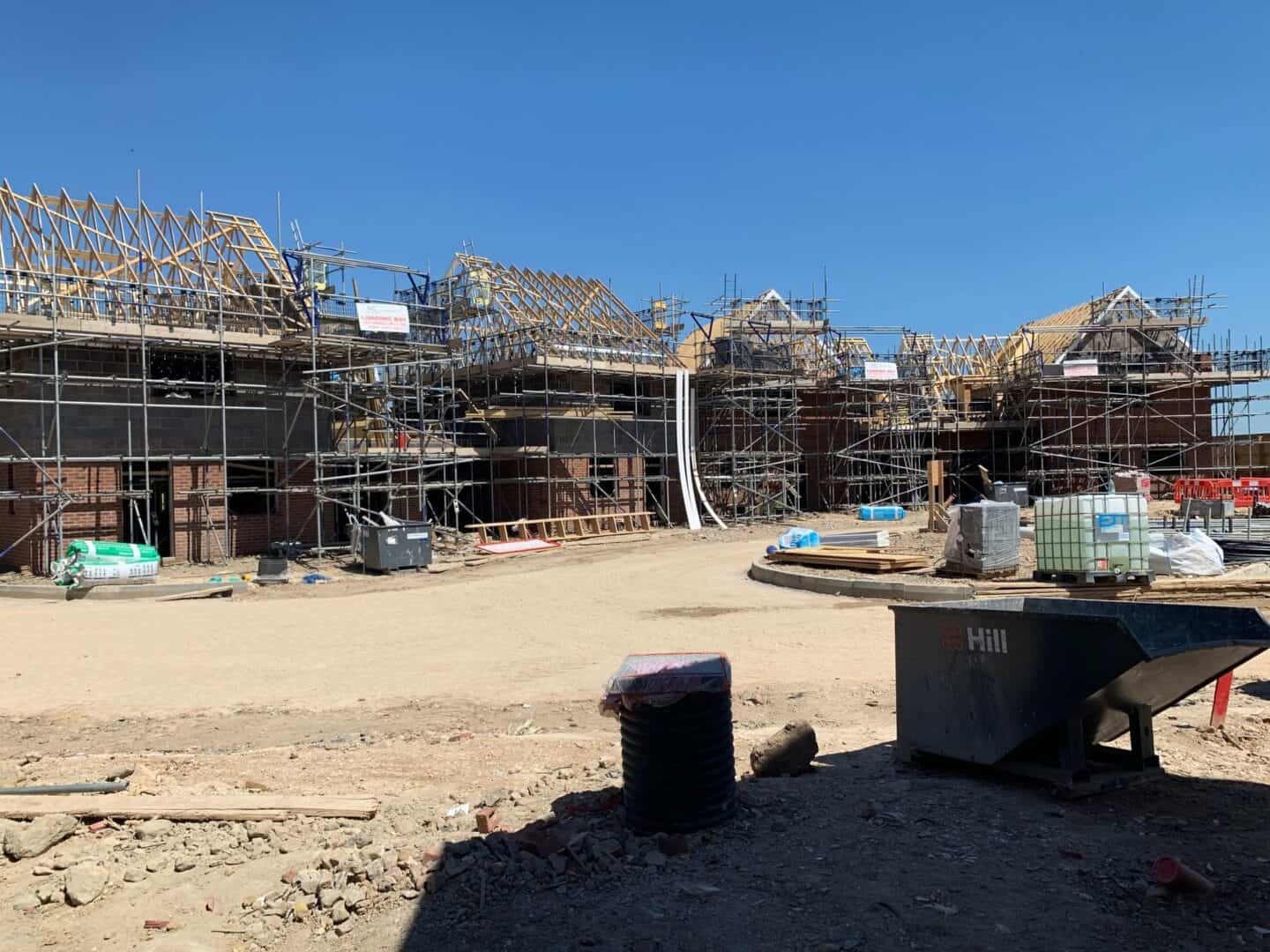
On new build residential developments where multiple trades follow each other on the same scaffold — roofers, brickies, window installers — this clarity is particularly important. Globe Roofing, our sister company in the Globe Group, works directly from our scaffold on many shared sites, and clear handover communication between the two teams is part of how we keep those sites running safely and efficiently.
Tie Details and Structural Integrity
The handover documentation we provide includes tie locations and anchor details, confirming that the scaffold is secured to the structure in accordance with the design drawings. Ties are one of the most critical elements of scaffold safety — a scaffold that looks structurally sound but has missing or inadequate ties is a serious risk.
Our handover process includes a physical check of every tie point before the certificate is signed. Any ties that require remedial attention are dealt with before handover, not flagged as a snag to be sorted later.
Statutory Seven-Day Inspections — Managed by Us
Scaffold doesn’t stay in a handover condition indefinitely. The Work at Height Regulations 2005 require that scaffolds in use are inspected at intervals not exceeding seven days, and after any event that may have affected their integrity — severe weather, an impact, or a significant change to the structure.
Globe Cambridge manages the statutory inspection schedule for the scaffolds we erect, providing written inspection reports to the principal contractor after each inspection. This gives the site team a clear, auditable record of scaffold condition throughout the project, and removes the burden of having to organise inspections themselves.
Modifications and Adaptation During the Project
On a live construction site, scaffold requirements change as the project progresses. A scaffold erected for roofing may need to be adapted to provide access for window installation, or extended as the build develops. Every modification we carry out is followed by a new inspection and updated documentation before the adapted scaffold is returned to use.
Unofficial modifications — trades moving boards, removing ties, or adapting the structure without involving the scaffolding contractor — are one of the most significant risks on construction sites. Our site teams flag this with principal contractors clearly, and our inspection regime picks it up if it happens.
If you’d like to discuss scaffold provision for your next development, or want to understand more about how Globe Cambridge manages handover and inspection compliance, contact the team today.