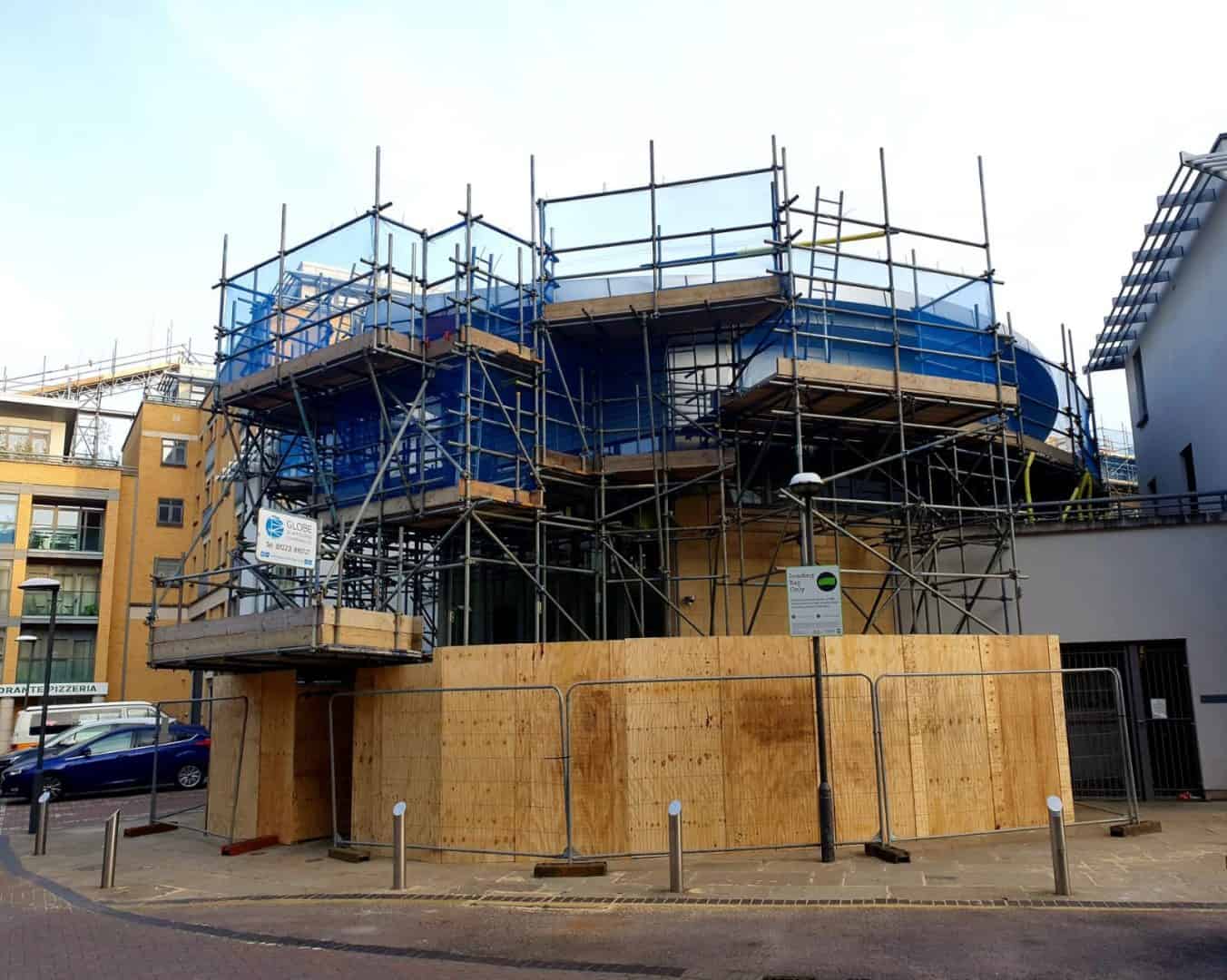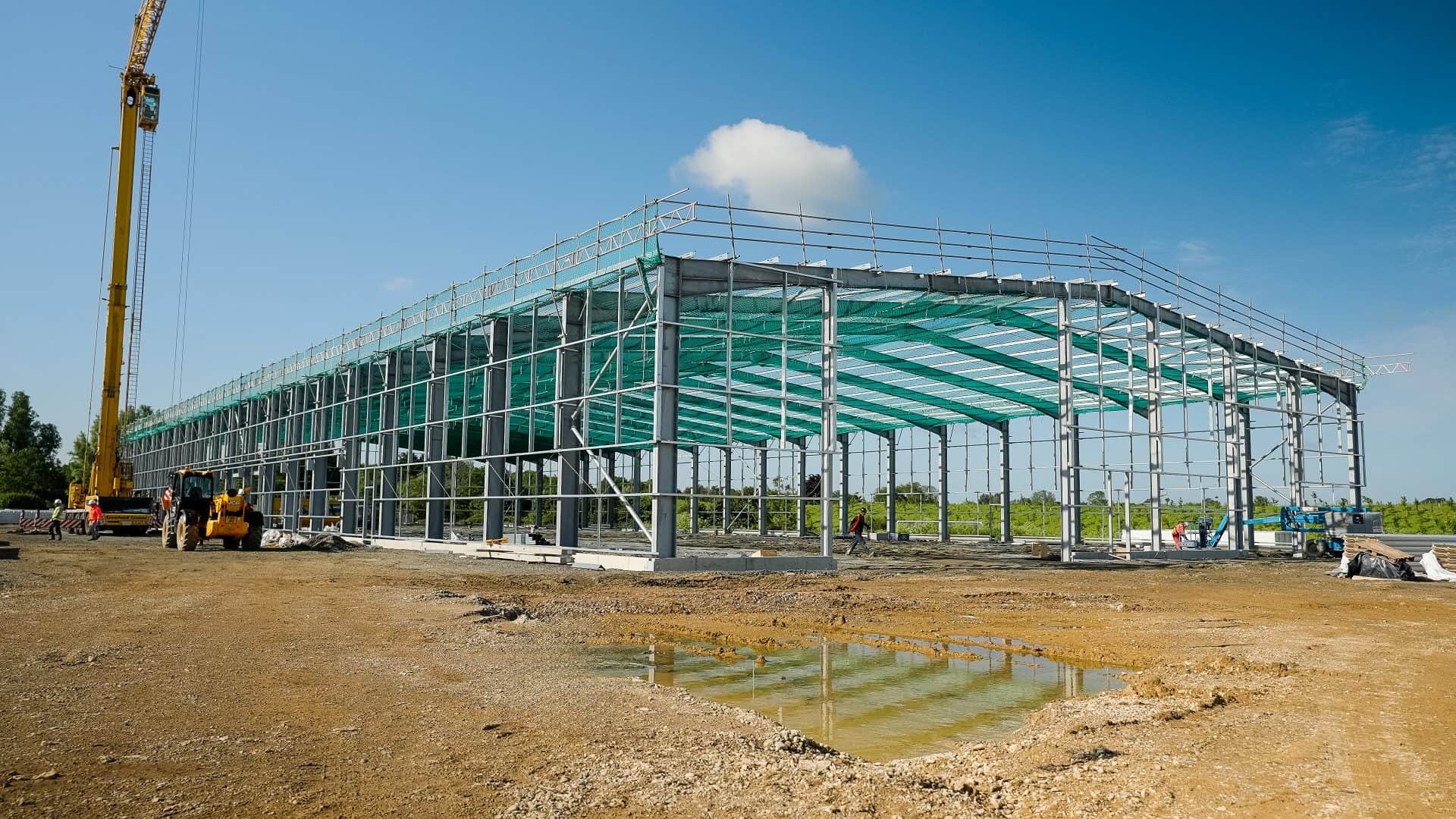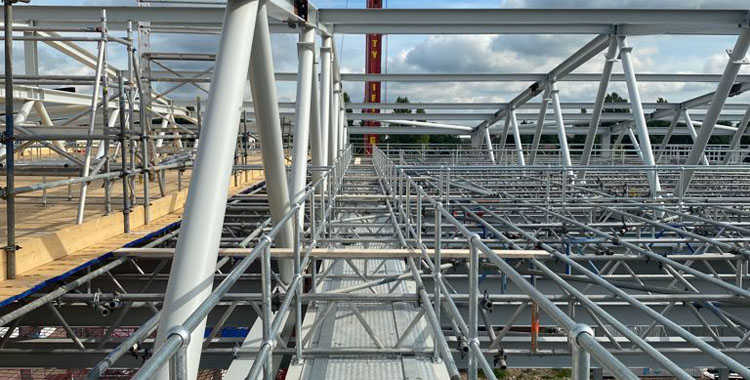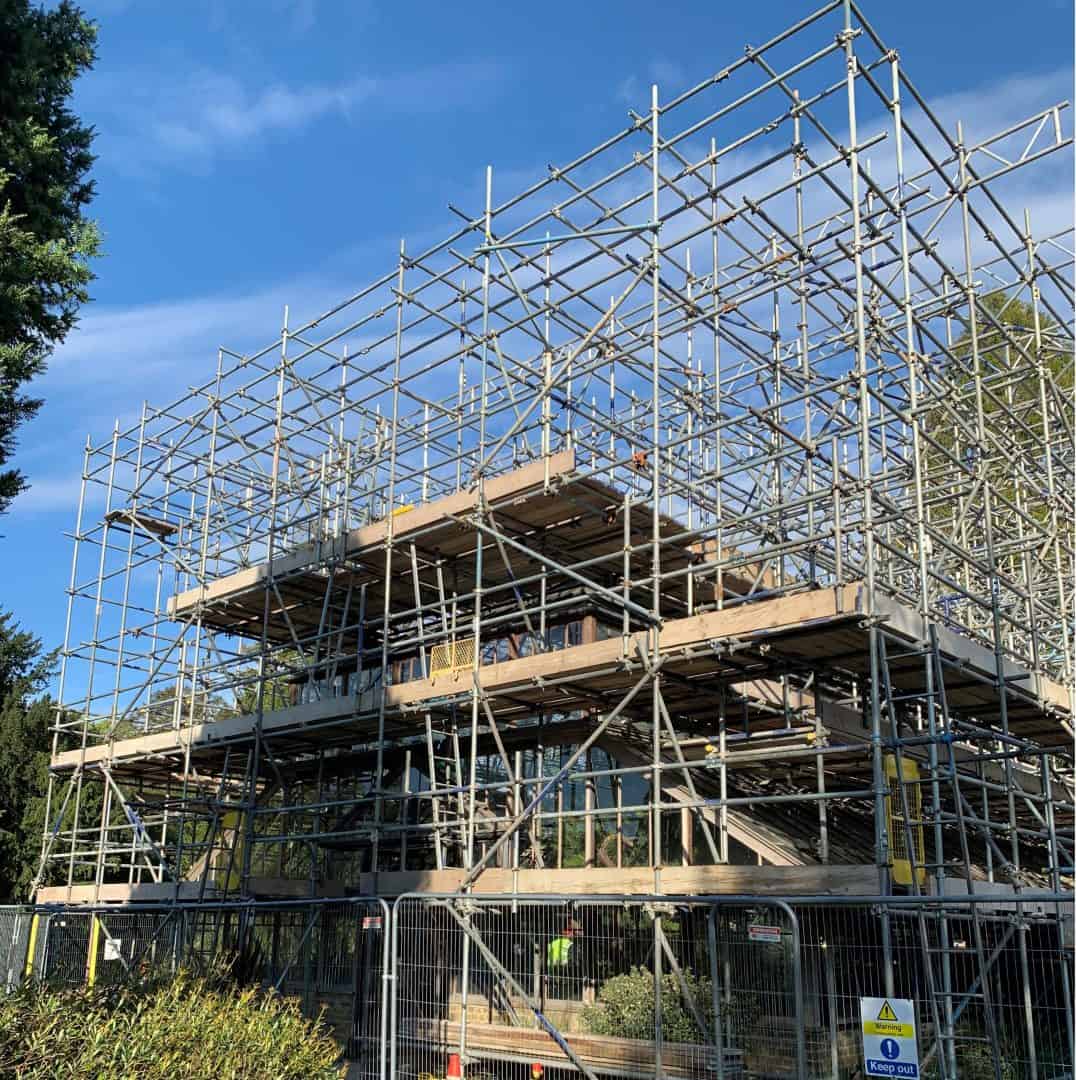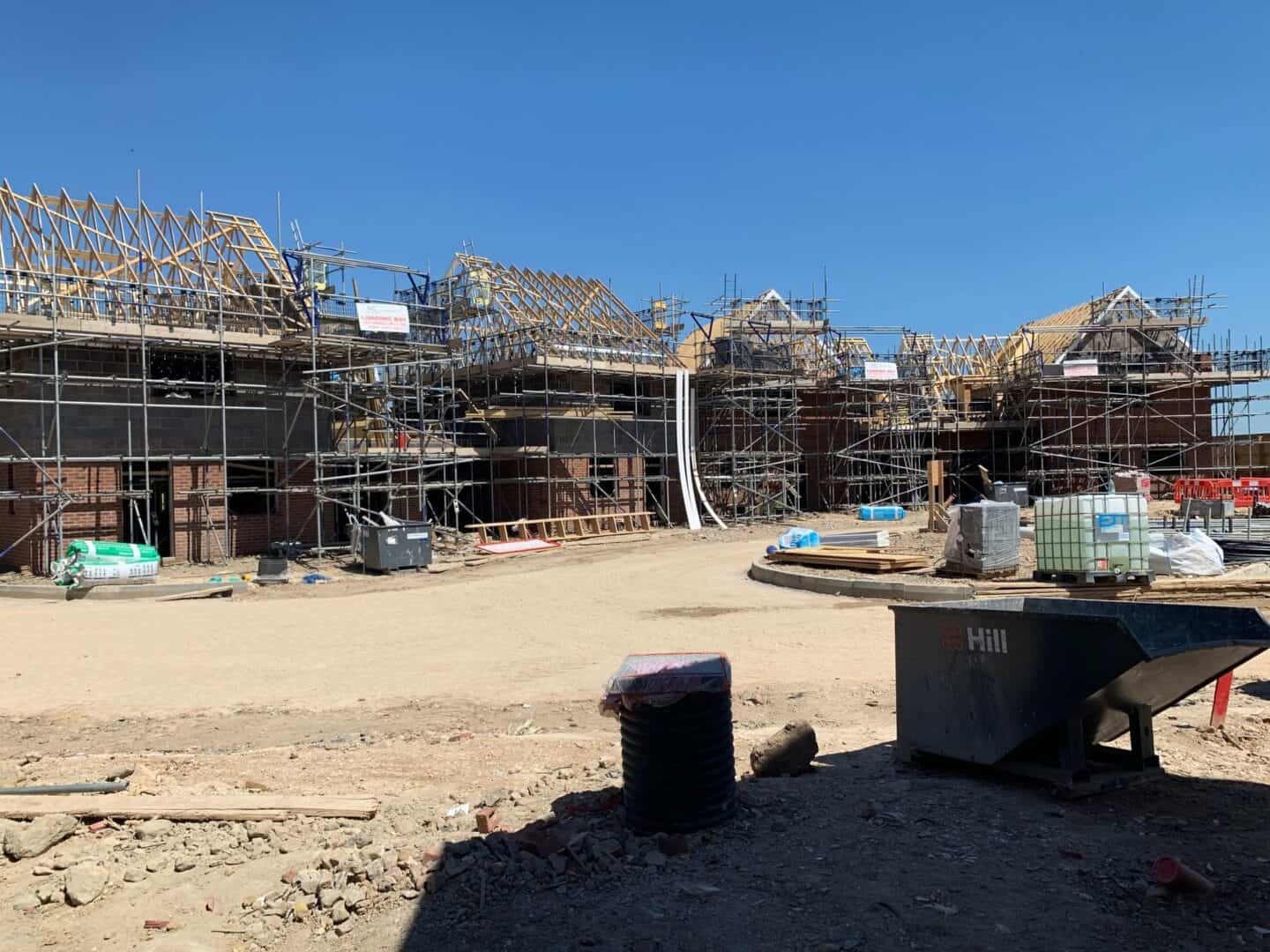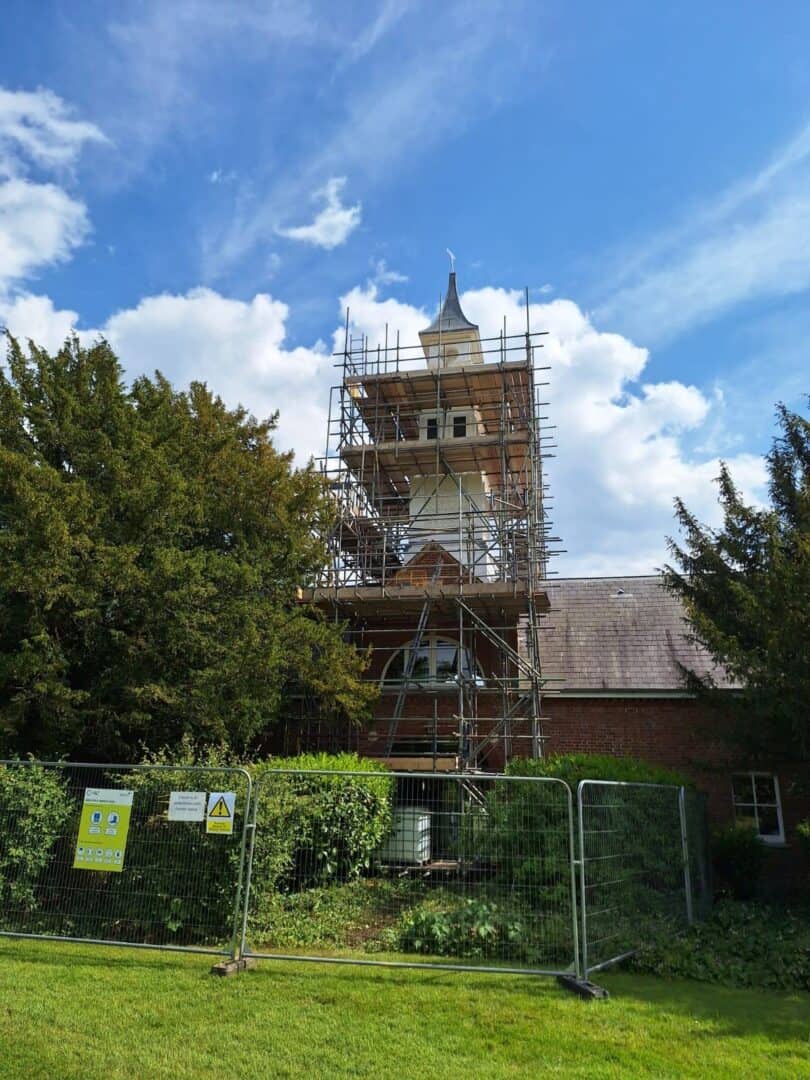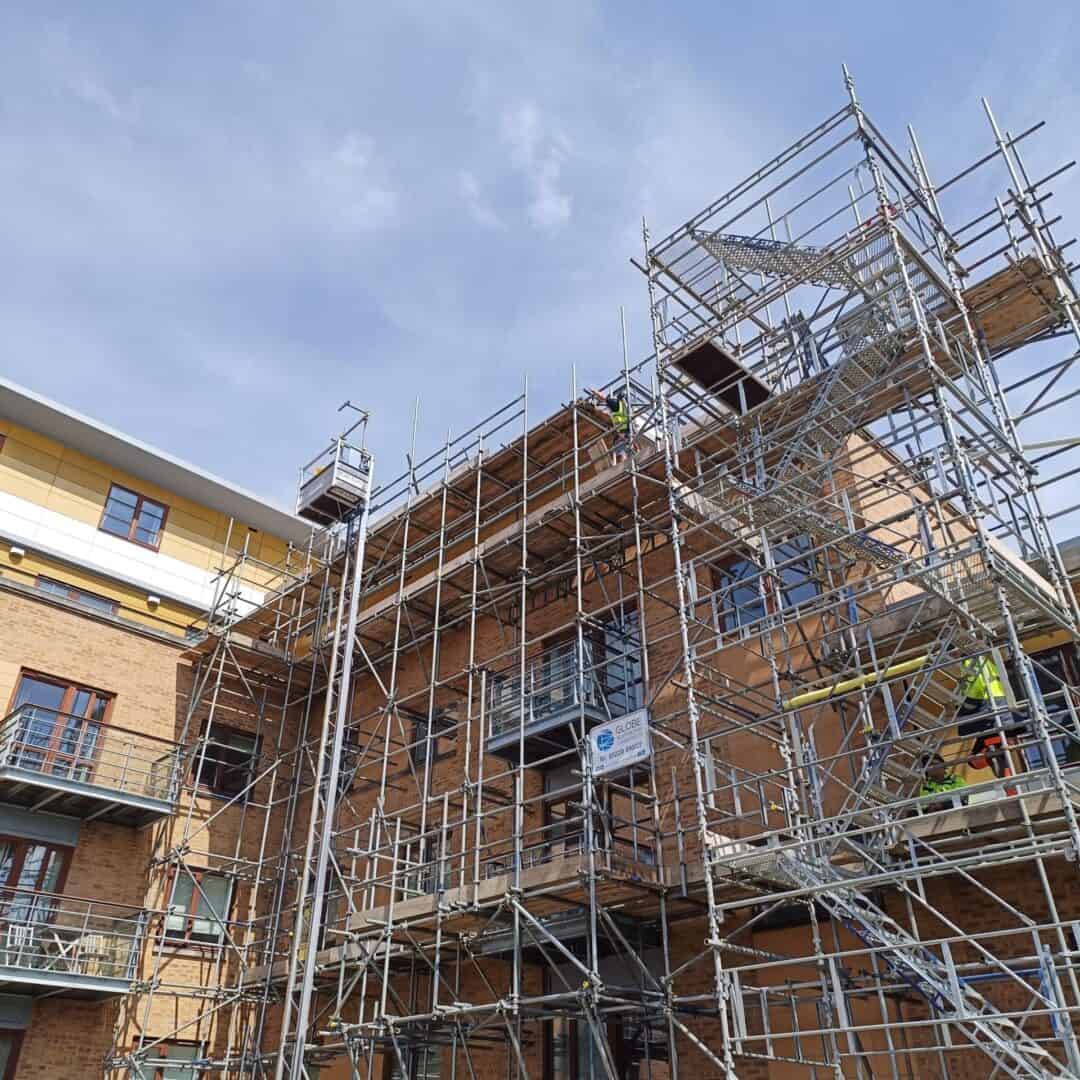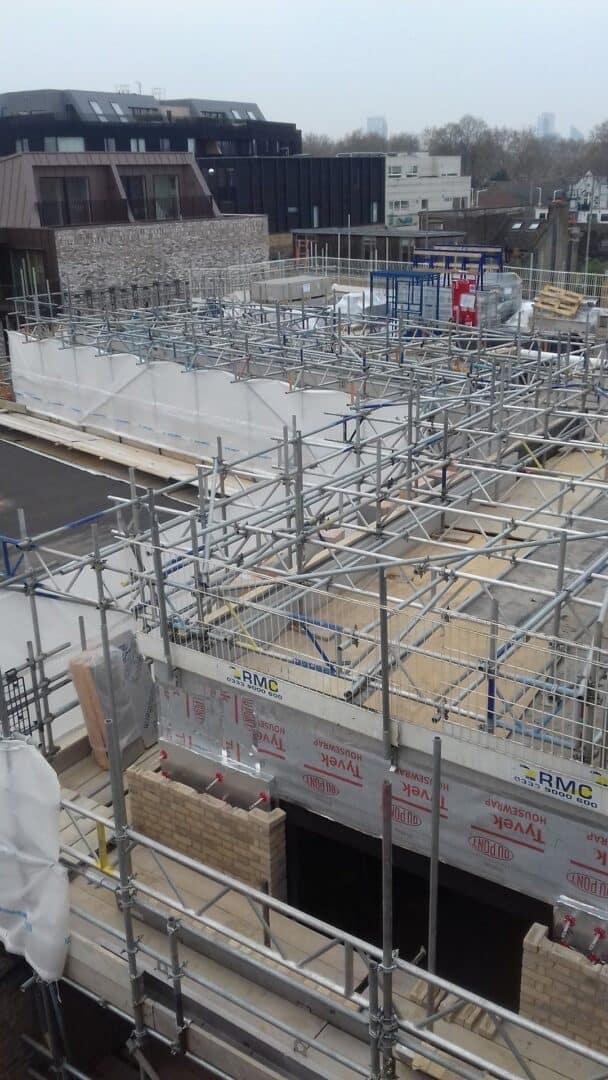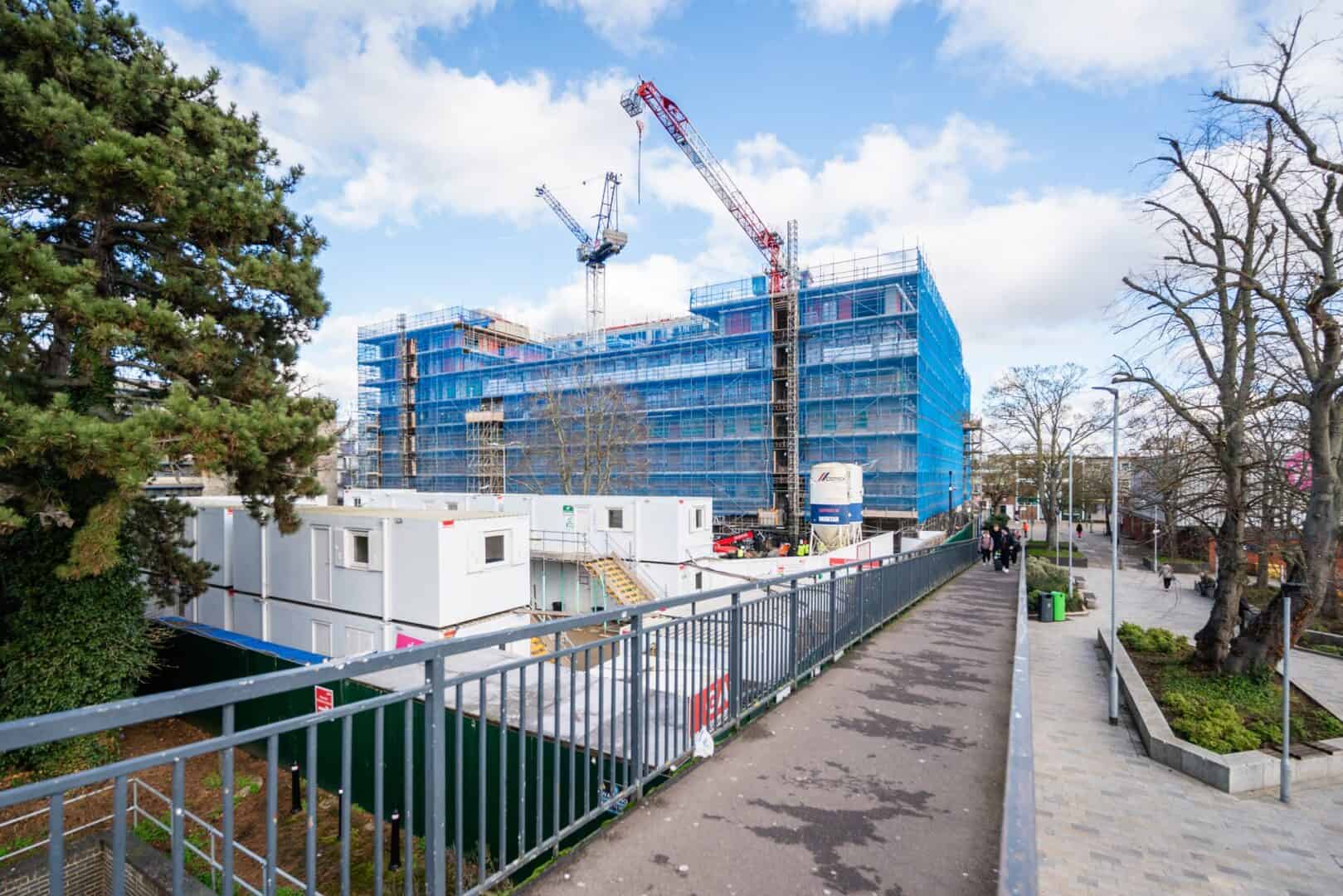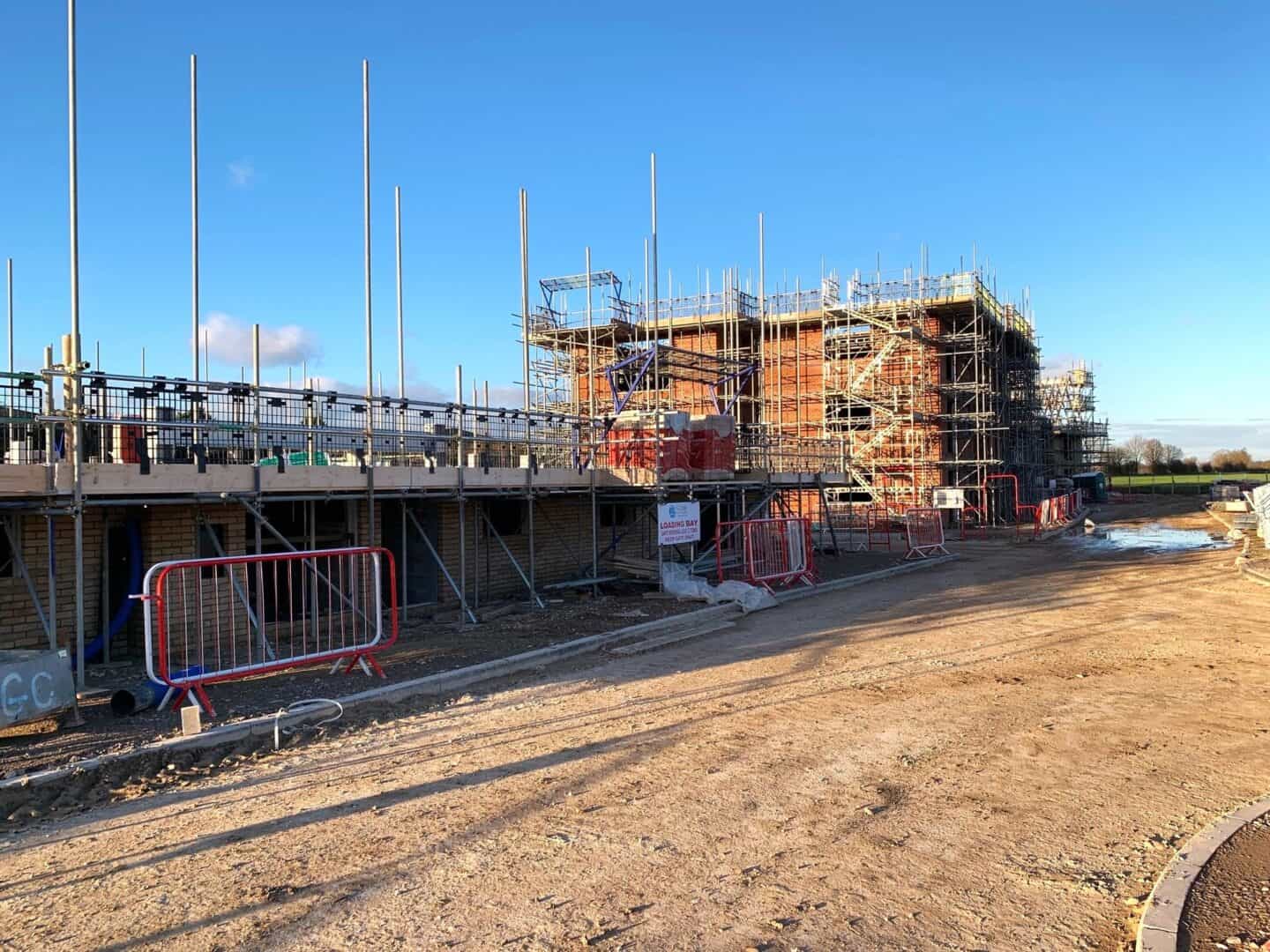

Most developers underestimate how scaffolding influences timelines and safety, so you should plan scaffolding early to mitigate fall hazards and structural collapse risks, ensure compliance with regulations, control costs and streamline your programme efficiency; engaging competent contractors and scheduling access, deliveries and demolition windows will protect workers, neighbours and your budget.
Importance of Scaffolding in New Build Housing
Well-planned scaffolding defines how quickly you can sequence brickwork, cladding and roof follow-ons; using modular systems can reduce external trades’ downtime by up to 25-30% on many schemes. Specify access, material bays and lifting points at design stage to avoid reworks, and model scaffold logistics for plots with gables, balconies or bay windows-these features commonly add 1-3 days per plot if not pre-planned. Prioritise scaffold layout that supports crane lifts and material storage to keep your programme tight and costs lower.
Safety Considerations
Implement a regime of daily visual checks and formal weekly inspections, ensure guardrails around 1m high with toe boards, and create exclusion zones beneath working decks to mitigate falling-object risk. Specify competent operatives for erection, use nets or debris chutes where masonry works are intense, and design scaffold loading to avoid overloading ledgers; falls and collapse remain the most serious hazards, so tie spacing, bracing and load calculations must be verified before live use.
Compliance with Regulations
Conform to the Work at Height Regulations 2005 and CDM 2015 by appointing a competent scaffolding contractor, holding written RAMS, and keeping an on-site scaffold register with inspection records. Apply TG20 guidance for standard tube-and-fitting scaffolds; where façades, heights or cantilevers fall outside TG20 limits, require a specific engineer’s design and sign-off. Non-compliance risks site stoppages and enforcement action from the HSE.
Maintain documented evidence: risk assessments, method statements, design calculations and inspection logs retained on-site or digitally for audits. Use NASC-accredited firms where possible and arrange inspection frequency to increase after severe weather or altered scaffolding configuration. Failing to produce records typically leads to immediate remedial works, potential contractor suspension and significant rework costs, so build regulatory checks into your programme milestones.
Types of Scaffolding Suitable for New Builds
You should assess options such as frame, system, tube-and-fitting, mobile tower and edge protection against project scale, height and programme; system scaffolds like Cuplock or Kwikstage commonly reach beyond 20 metres, while mobile towers are efficient for internal and short-term external access up to about 12 m. You must factor in erection time, crew size and load class (typically 0.75-2.25 kN/m²). Knowing which type suits your build reduces cost and mitigates safety risk.
- Frame scaffolding
- System scaffolding
- Tube and fitting
- Mobile tower
- Edge protection
| Frame scaffolding | Prefabricated frames for fast erecting on low-rise housing; cost-effective for repetitive façades. |
| System scaffolding | Modular systems (Cuplock/Kwikstage) with standard bay widths, suitable for heights >20 m and complex geometries. |
| Tube-and-fitting | Highly adaptable for irregular shapes or delicate detailing; requires skilled erectors and longer install time. |
| Mobile tower | Quick to reposition and ideal for internal works or façade repairs; best for works under 12 m. |
| Edge protection | Light systems for rooflines and perimeter safety; necessary to prevent falls where scaffolding is absent. |
Frame Scaffolding
You’ll opt for frame scaffolding when repeatable façades and speed matter; typical bay widths are 0.9-1.2 m, and assemblies suit low-rise developments (commonly up to three storeys). Your benefits are rapid erection and lower labour hours, but you must guard against scaffold overturning by using adequate ties and baseplates-insufficient ties are a frequent hazard on windy open sites.
System Scaffolding
You should choose system scaffolding for tall blocks or complex elevations; systems like Cuplock provide fixed node points, vertical alignment and predictable modular bays, speeding design checks and enabling standardised tie spacing for safer long-span work. Your planning should allow for access towers and loading bays where platform loads exceed standard duty.
System scaffolding permits bay widths from about 0.73 m to 3.00 m, ledger-to-ledger spacing that controls platform deflection and tie intervals often set at every 6-8 metres vertically depending on wind and loading; on a 15 m elevation you’ll typically schedule scaffold inspections every 7 days or after significant weather, and modular systems can cut erection time by an estimated 20-40% compared with tube-and-fitting on repetitive façades.
Planning and Design Considerations
When coordinating scaffolding with your programme and façade work, map access points, crane positions and delivery routes early so bays align with brickwork and window openings; consult TG20 and BS EN 12811 checks and manufacturer guidance such as Scaffolding Planning for the Modern Construction Environment. Prioritise segregated delivery zones, protected escape routes and screened edges to reduce stoppages and neighbour complaints.
Site Assessment
Carry out a topographic survey and utility sweep, and commission boreholes where made ground or soft clay is suspected; you should allow a minimum 2 metres clear strip for erection and emergency access. Check overhead services and vehicle access early, as restricted crane reach, live powerlines or narrow roads commonly force changes to scaffold type or extra temporary works.
Load-Bearing Capacity
Verify bearing capacity under each baseplate: standard bay spacings of 2.0-2.5 metres concentrate loads, so design for imposed working loads (commonly up to 2.0 kN/m²) plus materials and wind uplift per BS/EN guidance; where soils are weak, plan for soleboards, spreader plates or piled supports and involve a structural engineer.
In practice you must quantify bearing pressures and select appropriate ground-support measures: baseplates on timber soleboards (typically 50 mm hardwood or 12-25 mm plywood over pads) or steel plates are used to spread loads, while proprietary piling mats or screw piles suit very soft sites. For example, if site investigation shows allowable bearing below c.150 kN/m² you will often need piled pads or a steel grillage beneath scaffold towers; failure to do so risks leg settlement, misalignment and structural instability. Ensure temporary works calculations are documented and signed by a competent engineer and record pad sizes, soleboard layouts and tie-in positions on the scaffold layout drawing so your erection team can install exactly to the design.
Cost Implications
Expect scaffolding to represent roughly 1-4% of total new-build costs depending on scale and complexity. For a typical 3-bed terrace you might budget £1,500-£6,000 for hire and erection across the build; medium apartment blocks frequently exceed £30,000. Site access, loading bays and restricted streets drive prices up. Delays extend hire costs daily, so align scaffold mobilisation and demobilisation with the programme and cost scaffolding alongside plant and crane hire to avoid surprises.
Budgeting for Scaffolding
When you compile estimates, secure at least three detailed quotes and include a 5-10% contingency for weather and programme shifts. Compare hire versus purchase: buying can be economical if you’ll reuse equipment across multiple sites, while hire removes storage and maintenance liabilities. Factor in design, PG9 certification, edge protection and traffic management costs; bulk contracts can reduce per-site costs by 10-20% if you schedule projects sequentially.
Long-Term Financial Considerations
Over the lifecycle you must budget for storage, routine inspections and depreciation if you buy kit: scaffold assets typically last 7-10 years with inspections every 6-12 months. Leasing smooths cashflow but can cost 5-15% more over several years. Also include transport, insurance and dismantling fees; poor asset management risks higher repair bills and work stoppages that dent margins.
If you run multiple developments, model a simple ROI comparing cumulative hire costs with purchase plus annual storage and inspection. For example, if hire averages £20,000 per site and you deliver four sites a year, buying a £50,000 kit with £5,000 annual upkeep can pay back in under two years. Conversely, one-off or irregular programmes usually favour hire, especially where bespoke access increases setup costs; model scenarios over five years to inform procurement strategy.
Installation and Maintenance
When installing scaffolding you must follow manufacturers’ specifications and programme regular upkeep, keeping tie intervals to manufacturer guidance (typically around 3-4 m) and working-platform loads near 2.0 kN/m². You should stage erection in modules, log component serial numbers and schedule preventative replacement for worn boards or couplers within 24 hours. For a practical how-to and checklists see How to Build Scaffolding for your new project | Best Guide.
Hiring Qualified Personnel
You must appoint CISRS-qualified scaffolders and a named competent supervisor for every site; a mid-size phase typically runs with a team of 3-6 scaffolders plus one supervisor. Ensure operatives hold up-to-date cards, have emergency-evacuation training and are briefed on your site-specific risk controls so that assembly, adjustment and dismantling follow safe systems of work.
Regular Inspection Protocols
Implement daily visual checks by operatives, formal inspections every 7 days by a competent person, and immediate checks after storms or impact. Use a standard checklist, photograph defects and maintain a digital log to track remedial actions; any bay with missing guardrails, ties or distorted tubes must be tagged out of use until repaired.
Inspection detail should cover baseplates and soleboards, tie spacing, plumb and level, platform continuity, guardrails, toe boards, access ladders and load claims. You should record component corrosion, loose couplers, deck deflection and contact points where rubbing or movement occurs, then isolate defects and either repair onsite within 24 hours or remove the affected section; photographic evidence and signed completion entries keep your compliance auditable.
Case Studies and Best Practices
Across recent developments you can see how targeted scaffolding choices altered schedules, budgets and safety performance: projects that integrated scaffolder input at design stage reduced downtime, while those that underestimated wind and tie loads suffered short but costly stoppages. The examples below give concrete figures to guide your decisions on cost, programme and risk control.
- Suburban 72‑unit development, Sheffield – total build £6.5m; scaffolding cost £120k (1.8%); system scaffold with integrated edge protection; erection 10 days; removal completed 3 weeks early; zero RIDDOR incidents; saved £30k in labour by using prefabricated decks.
- Three‑storey apartment block, London – 24 units; build £2.75m; tube‑and‑fitting scaffold £85k (3.1%); 2‑day weather closure caused one tie failure (minor); revised tie spacing from 2.5m to 1.5m reduced sway and recovered 4 programme days.
- Passive‑house terrace, Edinburgh – 12 units; build £1.9m; mobile towers + cantilever scaffold £42k (2.2%); improved access cut external labour by 18% and shortened external works by 4 weeks; thermal wrap fitted without scaffold reconfiguration.
- Remote coastal site, Cornwall – 8 bespoke homes; build £500k; scaffolding £18k (3.6%) including logistics; adverse weather added 6 days but hiring local crew cut mobilisation by 40%, net delay 2 days; contingency transport budget saved £4k.
- Ten‑storey apartment block, Manchester – high‑rise core build £30m; suspended and temporary works scaffold £480k (1.6%); integrated material hoist removed 1,200 crane hours; two minor dropped‑object near misses prevented after toolbox and netting upgrades.
Successful Scaffolding Projects
You should benchmark against projects that delivered on time and under budget by embedding scaffolding into the procurement and programme plan: typical wins include 2-4 weeks shaved from external works, cost containment within 1-2% of build value, and measurable reductions in site incidents when daily pre‑shift checks became standard.
Lessons Learned from Past Experiences
You need to act on recurring failures: insufficient tie design, late scaffold engagement and poor weather contingency consistently cause delays and safety events. Prioritise proper tie spacing, scheduled weekly inspections and explicit allocation of scaffold duties in the contract to reduce the risk of falls and structural movement.
To implement those lessons, set KPI targets (e.g. scaffolding ≤3% of build cost, weekly inspections, zero RIDDOR), include scaffolders in pre‑start meetings, budget a 5-7% contingency for weather and logistics, and mandate documented handovers and training so your teams can spot deteriorating ties, loose boards or blocked access before they become hazardous.
Final Words
Now plan your scaffolding around safety, access and programme integration: assess loads, choose suitable systems, allow for safe material handling and welfare, factor hire periods and weather, schedule erecting and dismantling with trades, secure statutory inspections and competent operatives, and allocate contingency in budget and time so you keep the build efficient and compliant.
FAQ
Q: What planning and design considerations should developers include when arranging scaffolding for a new build housing project?
A: Engage a competent scaffold contractor early so scaffold design and site surveys inform the construction programme. Confirm scaffold type and configuration to suit brickwork, cladding and roof access; allow for temporary hoists, material decks and protected walkways. Specify loading criteria (materials, hoists, plant) and tie-in positions with the permanent structure, and check ground-bearing capacity for baseplates or soleboards. Include weather protection (wrap or sheeting) where work sequence or wet trades demand it, and plan access for welfare units, site vehicles and cranes. Ensure scaffolding proposals comply with relevant standards and guidance (Work at Height Regulations 2005, applicable BS/EN standards and NASC guidance such as TG20), and obtain any local authority licences for pavement or highway encroachment before erection.
Q: How should developers manage safety, compliance and inspections for scaffolding throughout the build?
A: Put in place written arrangements that assign responsibilities for scaffold inspection, maintenance and use. Require a competent person to inspect the scaffold after erection, after any alteration and at suitable intervals (daily checks by site staff and formal inspections weekly or as specified by the contractor), and maintain inspection records and tags. Ensure all users receive instructions and that scaffold access is controlled until handed over for trade use. Specify edge protection, toeboards, debris netting, safe access routes and fall-prevention measures, and integrate scaffold risk assessments and method statements into site permit-to-work systems. Update designs and inspections after severe weather, impact damage or load changes. Keep evidence of training, certificated scaffold designs where necessary, and conformity checks for temporary works to satisfy HSE and contractual requirements.
Q: What budgeting, programme and logistical factors should developers plan for regarding scaffolding on new housing schemes?
A: Budget for hire, erection, alterations, maintenance, dismantling, transport and storage, plus contingency for weather delays and design changes. Plan scaffolding as a long-lead item on the programme because erection and dismantle phases affect follow-on trades; consider staged or phased scaffolds to economise and reduce standing charges. Allow for licence fees and traffic management where scaffolds affect pavements or roads, and for crane or hoist hire if required. Coordinate scaffold laydown areas to avoid congestion and protect neighbours from noise and debris with appropriate screening. Adopt a procurement approach (early contractor involvement, framework or fixed price) that suits site complexity, and include contractual allocation of responsibilities for damage, insurance and scaffold reinstatement.